A mug cookie recipe is your secret weapon for satisfying sweet cravings in under five minutes, right from your microwave. This single-serving treat uses basic pantry staples like flour, sugar, and butter to deliver a warm, chewy cookie that tastes like you spent way more effort than you actually did.
Whether you’re battling a late-night dessert emergency or need a quick pick-me-up after work, mug cookies are simple, customizable, and genuinely delicious. Let me walk you through everything you need to know to master this ridiculously easy recipe.
Why You’ll Love This Recipe
Mug cookies beat traditional baking in almost every way that matters to busy people.
- Ready in under 5 minutes from start to finish, no oven preheating required
- Single serving means no willpower-testing leftovers sitting in your kitchen
- Uses basic ingredients you already have at home
- Perfect for experimenting with mix-ins and flavors without wasting a whole batch
- Minimal cleanup since everything happens in one mug
My Experience Making This Recipe
I first made a mug cookie on a Tuesday night when I was craving something sweet but too lazy to bake a full batch. I threw together some flour, butter, brown sugar, and an egg yolk in a mug, microwaved it for 90 seconds, and honestly could not believe how good it tasted.
The texture surprised me most: it was warm and slightly gooey in the center, with crispy edges that actually rivaled a regular cookie baked in an oven. My partner stole half of it before I could even finish, which is always the real test of whether something is actually good.
Since that first attempt, I’ve made these dozens of times and keep discovering new flavor combinations. They’ve become my go-to solution when I want dessert right now without the commitment of heating up the oven or dirtying multiple bowls.
Recipe Overview
- Recipe Name: Microwave Mug Cookie
- Servings: 1
- Prep Time: 3 minutes
- Cook Time: 1 minute 30 seconds
- Total Time: 4 minutes 30 seconds
- Course: Dessert
- Cuisine: American
- Calories per Serving: 320
Equipment You Will Need
- Microwave-safe mug or ramekin (at least 8 ounces)
- Small mixing bowl
- Measuring spoons
- Measuring cups
- Fork or small whisk
- Spoon for stirring
Ingredients for Mug Cookie Recipe
- All-purpose flour: 1/4 cup
- Brown sugar: 3 tablespoons, packed
- Butter: 2 tablespoons, softened
- Egg yolk: 1
- Vanilla extract: 1/4 teaspoon
- Baking soda: Pinch
- Salt: Pinch
- Chocolate chips or mix-ins: 2 tablespoons (optional)
Ingredient Notes and Substitutions
- All-purpose flour provides structure and is the foundation of your cookie’s texture. You can swap in cake flour for a more tender crumb, though it will be slightly softer.
- Brown sugar adds moisture and chewiness that white sugar cannot replicate. If you only have white sugar, use it but expect a slightly crisper cookie.
- Softened butter emulsifies better with sugar and distributes evenly throughout the batter. Coconut oil works as a substitute but will change the flavor profile noticeably.
- The egg yolk binds ingredients and adds richness that whole eggs over-deliver on. If you have no egg, use 1 tablespoon of applesauce or mashed banana, though the texture will be less authentic.
- Baking soda creates lift and helps the cookie spread slightly. A tiny pinch of baking powder can substitute, but reduce it to just 1/8 teaspoon.
- Salt enhances sweetness and balances flavors, even though you barely taste it. Do not skip this, but if you accidentally omit it, the cookie will still work.
How to Make Mug Cookie Recipe
Step 1: Gather and Measure Your Ingredients
Pull out your mug and assemble all ingredients before you start mixing. This prevents you from hunting through your kitchen halfway through and keeps the assembly quick and organized.
Step 2: Combine Dry Ingredients
In a small bowl, whisk together the flour, baking soda, and salt until no lumps remain. These three ingredients form the backbone of your cookie structure, and mixing them separately ensures even distribution throughout the batter.
Step 3: Cream the Butter and Sugar
In the same small bowl, mash together the softened butter and brown sugar using the back of a fork until the mixture is light and fluffy. This step takes about 30 seconds of vigorous mixing and incorporates tiny air bubbles that help the cookie rise and become tender.
Step 4: Add the Egg Yolk and Vanilla
Mix the egg yolk and vanilla extract into the butter-sugar mixture until fully combined and you see no streaks of yolk remaining. The yolk adds richness and acts as a binder that holds everything together during microwaving.
Step 5: Fold in the Dry Ingredients
Gently fold the flour mixture into the wet ingredients using a spoon or fork, stirring until just barely combined. Over-mixing develops gluten and makes the cookie tough, so stop as soon as you see no dry flour.
Step 6: Add Mix-Ins
If using chocolate chips, nuts, or other mix-ins, fold them into the batter now with just a few stirs. These additions create pockets of flavor and texture throughout your cookie.
Step 7: Transfer Batter to Your Mug
Spoon the batter into your microwave-safe mug, pressing it down gently so it sits in a relatively even layer at the bottom. Do not overfill the mug; you want at least 2 inches of clearance for the cookie to rise slightly.
Step 8: Microwave the Cookie
Microwave on high power for 60 to 90 seconds, depending on your microwave’s strength and how you like your texture. Start at 60 seconds and check; if the center still looks wet, add 15-second intervals until it sets but still jiggles slightly when you gently shake the mug.
Step 9: Cool Briefly Before Eating
Let the mug sit for 1 to 2 minutes so the cookie firms up enough to eat with a spoon without burning your mouth. The cookie continues to set as it cools, becoming chewier and more cake-like in the center while the edges stay slightly crispy.
Pro Tip: Use an egg yolk instead of a whole egg for a richer, more decadent mug cookie without making the batter too wet to cook through properly.
Tips for the Best Mug Cookie Recipe
- Use softened butter, not melted or cold butter, so it mixes smoothly with sugar and creates the right texture. Melted butter makes the cookie spread too thin, while cold butter does not combine properly.
- Brown sugar is non-negotiable if you want chewiness; white sugar produces a crisper, more cake-like result. Keep this in mind when you are customizing the recipe to your texture preference.
- Microwave power varies wildly between models, so timing is a starting point, not an absolute rule. Start with 60 seconds and add time in 15-second increments until you nail your microwave’s sweet spot.
- Do not skip the vanilla extract; it makes an enormous difference in flavor depth and masks any eggy taste from the yolk. Even though it is just 1/4 teaspoon, it transforms the overall taste.
- Let the cookie cool in the mug for a minute or two before eating so it sets enough to handle without falling apart. Eating it piping hot feels amazing but burns your mouth and makes it too soft to enjoy the texture.
- Use a mug you do not mind getting a little batter-crusted; the mug will develop some browning and slight residue over time.
Common Mistakes to Avoid
- Overmixing the batter develops gluten and creates a tough, dense cookie instead of a tender one. Mix until you barely see dry flour, then stop immediately.
- Using a cold egg straight from the fridge makes it harder to incorporate and can result in lumpy batter. Always let your egg sit out for 5 minutes or use it at room temperature.
- Filling the mug too full causes batter to overflow and creates a mess inside your microwave. Leave at least 2 inches of space at the top for rising.
- Microwaving too long creates a hard, cake-like texture and can even cause the edges to burn. Remember that the cookie continues cooking as it cools, so it is better to undershoot than overshoot.
- Skipping the salt makes the cookie taste flat and one-dimensional, even though you would think salt would not matter in a sweet dessert. This ingredient is essential for balanced flavor.
Serving Suggestions
A mug cookie is perfect on its own, but adding a simple topping or pairing transforms it into something special. Try eating it straight from the mug with a spoon or dumping it onto a plate for easier eating.
- Top with a small scoop of vanilla ice cream that melts into the warm cookie
- Drizzle with melted chocolate or caramel sauce while still warm
- Serve alongside a cold glass of milk for the classic cookie experience
- Pair with hot coffee or tea for a cozy afternoon break
- Add a dollop of whipped cream and a sprinkle of cinnamon for extra indulgence
Variations to Try
- Peanut butter cookie: Replace 1 tablespoon of flour with smooth peanut butter for a nutty flavor and fudgy texture that completely changes the experience.
- Double chocolate: Add 1 tablespoon of unsweetened cocoa powder to the dry ingredients and use chocolate chips as your mix-in for serious chocolate lovers.
- Oatmeal raisin: Swap 2 tablespoons of the flour for quick oats and mix in 1 tablespoon of raisins for a heartier, chewier texture.
- Cinnamon roll: Reduce vanilla to 1/8 teaspoon, add 1/4 teaspoon of cinnamon to dry ingredients, and swirl in 1/2 teaspoon of cinnamon mixed with 1/2 teaspoon of brown sugar before microwaving.
- White chocolate macadamia: Use white chocolate chips and chopped macadamia nuts as your mix-ins for a buttery, tropical twist.
Dietary Adaptations
- Gluten-free: Replace all-purpose flour with a 1:1 gluten-free flour blend, though the texture will be slightly grainier and the cookie may cook faster.
- Dairy-free: Use dairy-free butter or coconut oil in place of regular butter, and switch to dairy-free chocolate chips if using them.
- Vegan: Substitute the egg yolk with 1 tablespoon of aquafaba or applesauce, and use vegan butter and chocolate chips throughout.
- Low-carb or keto: Replace regular flour with almond flour or a keto flour blend, use monk fruit sweetener instead of brown sugar, and reduce total batter amount by about 20 percent since keto flours absorb differently.
Storage and Reheating
Refrigerator
You can store leftover mug cookie batter in an airtight container for up to 3 days, though it is best made fresh. When ready to eat, simply microwave it as directed; cold batter may take an extra 15 to 20 seconds to cook through completely.
- Keep batter in a small mason jar or plastic container
- Let it sit at room temperature for 2 minutes before microwaving if it comes straight from the fridge
- The cooked cookie can be stored in the fridge for 2 days but tastes best eaten the same day
Freezer
Freezing mug cookie batter works perfectly for meal-prep enthusiasts who want ready-to-go batter all week. Scoop the batter into an ice cube tray and freeze, then pop out a cube whenever you want a cookie.
- Frozen batter cubes last up to 1 month
- No need to thaw; simply place the frozen cube in your mug and add 30 to 45 extra seconds of microwave time
Reheating
A cooked mug cookie reheats beautifully in the microwave and regains its warm, gooey texture almost perfectly. Place it back in the microwave for 20 to 30 seconds on high power to warm it through without hardening.
- Reheat straight in the original mug if it is microwave-safe
- Cover with a paper towel to prevent splattering
- Check after 20 seconds to avoid overcooking
Nutrition Information
| Nutrient | Amount |
|---|---|
| Calories | 320 |
| Total Fat | 14g |
| Saturated Fat | 9g |
| Carbohydrates | 42g |
| Fiber | 0g |
| Sugar | 28g |
| Protein | 4g |
| Sodium | 210mg |
| Cholesterol | 55mg |
These values are approximate and can vary based on exact ingredient brands and portion sizes used. Mix-ins like chocolate chips or nuts will increase calories and fat content slightly.
Frequently Asked Questions
Can I use a whole egg instead of just the yolk?
Yes, but you will need to reduce the flour by 1 tablespoon to compensate for the extra liquid from the egg white. The cookie will be slightly wetter and less rich, but it will still taste good.
How do I make the cookie less cake-like and more chewy?
Use brown sugar exclusively, do not overmix, and slightly undercook the cookie by stopping microwave time when the very center still jiggles slightly. Cooling it in the mug for a full 2 minutes also helps it set into a chewier texture.
What if my microwave does not have a half-power setting?
Stick with high power and just use shorter time intervals like 45 to 60 seconds instead. You can always add more time if needed, but you cannot undo overcooking.
Can I make multiple cookies at once in a larger container?
Yes, you can scale the recipe up and use a small baking dish or cake-safe container, though cooking time will increase to 3 to 4 minutes depending on volume. The result is more like a brownie or cookie cake than a traditional cookie.
Why does my cookie sometimes come out gummy or undercooked in the center?
Microwave power varies wildly, so you may need to experiment with timing specific to your unit. Start at 60 seconds, and if the center is still wet, add time in 15-second increments until it sets but still has a slight wobble when you shake the mug gently.
Can I add wet ingredients like vanilla or applesauce without changing the texture?
Yes, but you should reduce the flour by about 1 tablespoon for every tablespoon of wet ingredient you add to prevent the batter from becoming too moist. This keeps the cookie structure intact.
Final Thoughts
The mug cookie recipe proves that sometimes the simplest solutions are the best ones. In just under 5 minutes, you can have a warm, satisfying dessert without heating up your oven or dirtying a pile of dishes.
Start with the basic version, then branch out into the variations and customizations that appeal to you most. This recipe is genuinely foolproof once you understand your microwave’s quirks, and it will become your go-to solution whenever a sweet craving strikes.
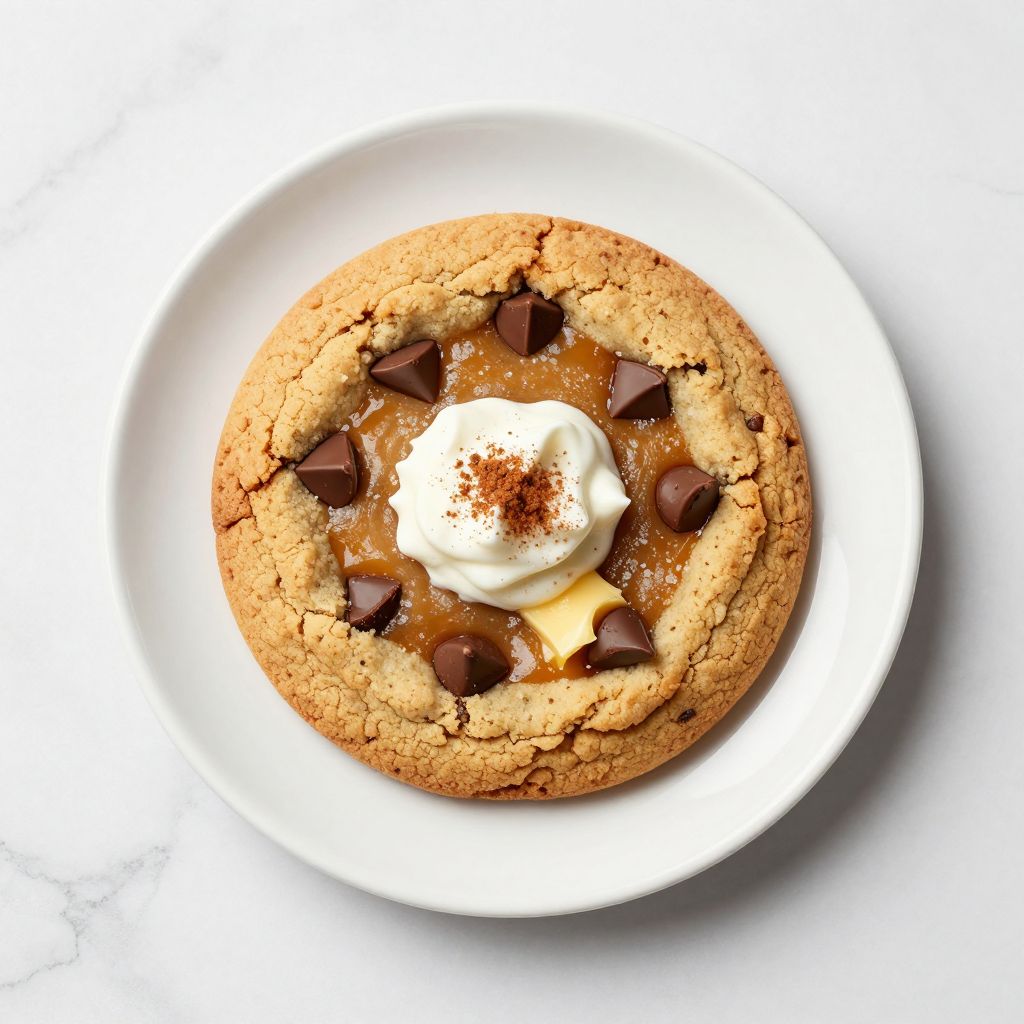
Microwave Mug Cookie
Ingredients
Equipment
Method
- In a small bowl, whisk together flour, baking soda, and salt until well combined.
- Add softened butter and brown sugar; mash with a fork until light and fluffy, about 30 seconds.
- Stir in the egg yolk and vanilla extract until no streaks remain.
- Fold the dry mixture into the wet ingredients just until you no longer see dry flour.
- Gently fold in chocolate chips or other mix-ins, if using.
- Transfer the batter to an 8-ounce microwave-safe mug, pressing it into an even layer and leaving at least 2 inches of space at the top.
- Microwave on high for 60 seconds; check the center. If still wet, continue in 15-second bursts until the top is set but the center jiggles slightly, 60–90 seconds total depending on microwave strength.
- Let the cookie cool in the mug for 1–2 minutes before eating to allow it to firm up.