Steelhead trout is a stunning fish that deserves a place at your dinner table, whether you’re cooking for a weeknight or impressing guests. This recipe transforms the delicate, buttery flesh with simple seasonings and a quick pan-sear that locks in moisture and creates a beautiful golden crust.
If you’ve never cooked steelhead before, you’re in for a treat: it’s forgiving, cooks in under 20 minutes, and tastes restaurant-quality when you nail the basics. Let me walk you through exactly how to make it.
Why You’ll Love This Recipe
Steelhead trout hits that sweet spot between accessible and impressive. It’s leaner than salmon but richer than white fish, making it satisfying without feeling heavy.
- Ready in under 20 minutes from stovetop to plate
- Minimal ingredients let the fish’s natural flavor shine through
- Works for weeknight dinners and special occasions alike
- The crispy skin becomes a textural highlight when cooked properly
- Naturally high in omega-3 fatty acids and lean protein
My Experience Making This Recipe
The first time I cooked steelhead at home, I was honestly nervous. I’d had it in restaurants and assumed it required some sort of culinary magic.
Then I realized the magic is just respecting the fish: pat it dry, season it simply, and don’t overcook it. I seared a fillet skin-side down in a hot pan with butter and lemon, and within five minutes I had something that tasted like it came from a proper kitchen.
My family actually asked for seconds, which never happens. Now steelhead is my go-to protein when I want to feel like I’ve cooked something special without the stress.
Recipe Overview
- Recipe Name: Pan-Seared Steelhead Trout with Lemon Butter
- Servings: 4
- Prep Time: 10 minutes
- Cook Time: 10 minutes
- Total Time: 20 minutes
- Course: Main Course
- Cuisine: Contemporary American
- Calories per Serving: 320
Equipment You Will Need
- 12-inch stainless steel or cast-iron skillet
- Paper towels
- Instant-read meat thermometer
- Wooden spoon or fish spatula
- Cutting board
- Chef’s knife
- Small bowl for butter mixture
Ingredients for Steelhead Trout
- 4 steelhead trout fillets (6 ounces each, skin on)
- Kosher salt (1 teaspoon)
- Black pepper (1/2 teaspoon)
- Unsalted butter (4 tablespoons, divided)
- Fresh lemon (2 lemons, 1 for juice, 1 for slices)
- Garlic cloves (2, minced)
- Fresh thyme (4 sprigs)
- Olive oil (2 tablespoons)
Ingredient Notes and Substitutions
- Steelhead trout fillets: This is a farm-raised rainbow trout that stays in saltwater, giving it deeper flavor and firmer texture than regular rainbow trout. If you can’t find steelhead, use wild-caught salmon or arctic char as a substitute, though you may need to adjust cook time slightly since they cook at different rates.
- Kosher salt: Kosher salt has larger crystals than table salt, so it distributes more evenly and gives you better seasoning control. Sea salt works perfectly as a substitute in equal amounts.
- Unsalted butter: Unsalted butter lets you control the salt level in your dish and browns more visibly in the pan. Salted butter works but reduce added salt by half and watch it doesn’t brown too quickly.
- Fresh lemon: Acid brightens the rich fish and cuts through butter, making the dish feel lighter. Lime or white wine can replace lemon, shifting the flavor profile toward brightness in a different direction.
- Fresh thyme: Thyme’s subtle earthiness complements trout without overpowering it. Rosemary or dill are stronger substitutes; use half the amount or your herbs will dominate.
How to Make Steelhead Trout
Step 1: Remove Fillets from Cold Storage
Pull your steelhead fillets from the refrigerator 10 minutes before cooking. Room-temperature fish cooks more evenly than cold fish, giving you a properly cooked center without an overdone exterior.
Step 2: Pat the Fish Completely Dry
Place each fillet on paper towels and pat the skin side and flesh side until no moisture remains. Dry fish develops a crispy, golden skin in the pan; wet fish steams and never browns properly, which wastes your chance at texture.
Step 3: Season Both Sides Generously
Sprinkle kosher salt and black pepper evenly across the skin and flesh of each fillet. Season just before cooking so salt doesn’t draw moisture out of the delicate flesh.
Step 4: Heat Your Pan and Oil
Set a 12-inch skillet over medium-high heat and add 2 tablespoons of olive oil. Wait until the oil shimmers and barely smokes at the edges, which means it’s hot enough to sear the skin properly without sticking.
Step 5: Place Fish Skin-Side Down
Carefully lay each fillet skin-side down in the hot pan, pressing gently for two seconds with a fish spatula to ensure skin contact. Listen for an immediate sizzle; if you don’t hear it, your pan isn’t hot enough and you’ll end up with soft skin instead of crispy skin.
Step 6: Cook Skin-Side Without Moving
Leave the fillets untouched for 5 to 6 minutes, watching for the flesh to turn opaque from the bottom up. Resist the urge to move them; the skin needs uninterrupted contact with the hot pan to crisp up and release naturally when ready.
Step 7: Flip and Add Butter and Aromatics
Use your fish spatula to carefully flip each fillet, then immediately add 2 tablespoons of butter, minced garlic, and fresh thyme sprigs to the pan. The butter foams and infuses with garlic and thyme, basting the delicate flesh as it finishes cooking.
Step 8: Finish Cooking and Check Temperature
Cook for 3 to 4 minutes more, tilting the pan occasionally so the butter pools under the fish. Use an instant-read thermometer inserted into the thickest part; steelhead is done at 120 to 125 degrees Fahrenheit for medium-rare, which keeps it moist and tender.
Step 9: Plate and Finish with Lemon
Transfer each fillet to a warm plate and squeeze fresh lemon juice over the top. Top with a thin pat of fresh butter and a thyme sprig for garnish, letting the bright acidity cut through the richness of the fish and sauce.
Pro Tip: Don’t skip patting the fish dry; it’s the single biggest factor in getting crispy skin, and crispy skin is what separates a home-cooked trout from a restaurant-quality one.
Tips for the Best Steelhead Trout
- Buy your fish the same day you plan to cook it, or freeze it immediately and thaw in the refrigerator overnight. Fresh steelhead has firm flesh and a clean ocean smell; if it smells fishy or ammonia-like, skip it.
- Don’t skip the skin; it protects the delicate flesh and becomes crispy and delicious when properly cooked. Many people avoid it out of habit, but steelhead skin is genuinely one of the best parts.
- Use medium-high heat, not high heat, so the outside browns gently while the inside cooks through. High heat burns the butter and skin before the center reaches the right temperature.
- Finish with fresh lemon right before eating, not earlier. Lemon added too far in advance will begin to cook the fish surface and dull the brightness you’re looking for.
- If your fillets are very thick, you can tent them loosely with foil after flipping to keep heat gentle and prevent the outside from overdoing while the center catches up.
- Invest in a fish spatula with a thin, flexible edge; it’s the only tool that truly slides under delicate fish without tearing it.
Common Mistakes to Avoid
- Cooking from cold: Fish pulled straight from the fridge won’t cook evenly, leading to an overcooked exterior and a cool center. Always bring fillets to room temperature first.
- Wet fish: Any surface moisture turns to steam, preventing browning and creating a rubbery exterior. Pat thoroughly and cook soon after, before any moisture reappears.
- Moving the fish in the pan: Flipping or sliding the fillets around prevents proper browning and tears the skin. Patience for the first five minutes is everything.
- Overcooking: Steelhead cooks quickly and dries out fast once it hits medium. Aim for 120 to 125 degrees and stop there; carryover cooking will bring it to medium-rare as it rests.
- Skipping the acid finish: Lemon or other bright acid is not optional; it’s what transforms buttery fish from rich to balanced. Without it, the dish feels heavy and one-note.
Serving Suggestions
Steelhead is rich enough to stand alone but appreciates a bright, simple side. The key is pairing it with something that won’t compete with the delicate fish flavor.
- Roasted asparagus with garlic and a squeeze of lemon, which echoes the trout’s brightness
- Creamy cauliflower puree with a touch of parmesan for earthiness without heaviness
- Crispy fingerling potatoes with herbs, giving you textural contrast against the soft fish
- Wild rice pilaf with dried cranberries and toasted nuts for nutty depth and chew
- Simple arugula salad dressed with lemon vinaigrette, keeping the meal light and elegant
Variations to Try
- Maple and mustard glaze: Brush fillets with a mixture of maple syrup, whole-grain mustard, and Dijon before cooking for a sweet and tangy crust. This variation adds complexity and works beautifully if you enjoy glazed fish.
- Asian-inspired: Season with soy sauce, ginger, and sesame oil instead of butter and lemon, and finish with sliced scallions and toasted sesame seeds. This completely shifts the flavor profile toward umami and is fantastic with steamed bok choy.
- Herb crust: Mix crushed panko breadcrumbs with parmesan, fresh herbs, and lemon zest, then press onto the flesh side before cooking for a crispy, savory crust. This adds textural contrast and a savory note that feels more indulgent.
- Cajun spice: Rub fillets with smoked paprika, cayenne, garlic powder, and oregano for a bold, warming version. Serve with a cool slaw or creamy remoulade to balance the heat.
- Poached in white wine: Instead of pan-searing, gently poach fillets in white wine with shallots and herbs for a delicate, light preparation. This method is gentler and better if you prefer a more subtle fish flavor.
Dietary Adaptations
- Gluten-free: This recipe is naturally gluten-free, with no breading or thickening agents involved. Simply verify your butter and any sides are certified gluten-free if needed.
- Dairy-free: Replace butter with olive oil or ghee in equal amounts, using half as much since oil has less water than butter and you don’t want the fish to feel greasy. The result will be lighter but loses the richness that makes this dish special.
- Vegan: Steelhead is fish, so this recipe cannot be made vegan without completely changing the dish. Substitute with marinated and pan-seared tofu or tempeh if you need a plant-based protein.
- Low-carb and keto: This dish is already low in carbs and works perfectly for keto diets as written. Pair with cauliflower rice or zucchini noodles instead of potatoes for an ultra-low-carb meal.
Storage and Reheating
Refrigerator
Store cooked steelhead in an airtight container for up to 3 days. The fish will firm up slightly as it cools but remains moist if you don’t overcook it initially.
- Let the fish come to room temperature before eating for the best texture and flavor
- Reheat gently in a 275-degree oven for 5 to 8 minutes, just until warmed through
- Don’t use the microwave; it overcooks the delicate flesh
Freezer
Freeze cooked fillets in a single layer on a baking sheet, then transfer to a freezer bag for up to 2 months. Freezing helps preserve moisture better than storing it directly in a container.
- Thaw in the refrigerator overnight before reheating
- Don’t refreeze after thawing
Reheating
A gentle approach preserves the tender texture and prevents overcooking. The oven is your best friend here.
- Preheat oven to 275 degrees and warm for 5 to 8 minutes, covered loosely with foil
- Alternatively, reheat in a skillet over low heat with a touch of butter for 2 to 3 minutes
- Don’t reheat more than once; each reheating dries the fish out further
Nutrition Information
| Nutrient | Amount |
|---|---|
| Calories | 320 |
| Total Fat | 18g |
| Saturated Fat | 7g |
| Carbohydrates | 2g |
| Fiber | 0g |
| Sugar | 0g |
| Protein | 38g |
| Sodium | 420mg |
| Cholesterol | 82mg |
These values are approximate and based on 4 fillets with the butter and lemon finish as written. Individual steelhead fillets vary in size, and your exact nutrition will depend on portion weight and cooking method.
Frequently Asked Questions
Can I use salmon instead of steelhead trout?
Yes, but salmon is oilier and richer, so it needs slightly longer cooking time and benefits from brighter acid like lemon. Reduce the butter slightly to balance the higher fat content.
How do I know when steelhead is done cooking?
An instant-read thermometer inserted into the thickest part should read 120 to 125 degrees Fahrenheit for medium-rare. You can also gently flake the flesh with a fork; it should break apart easily but not fall apart completely.
Can I cook this ahead and serve it cold?
Absolutely, and cold steelhead is actually delicious for lunch the next day with a fresh salad. Store it in the refrigerator, bring it to room temperature, and serve with extra lemon.
Why is my skin rubbery instead of crispy?
The fish wasn’t dry enough when you put it in the pan, or the pan wasn’t hot enough to brown it. Both issues prevent the skin from crisping; pat aggressively and preheat your oil until it shimmers next time.
Can I cook these fillets in the oven instead of on the stovetop?
Yes, bake at 400 degrees for 10 to 12 minutes on a lined baking sheet with butter and lemon. You’ll lose the crispy skin, but the flesh stays moist and the cooking is forgiving.
Final Thoughts
Steelhead trout is one of those dishes that feels fancy but is honestly easier than many weeknight proteins. Once you nail the technique here, you’ve got a go-to meal that impresses without the stress.
The next time you see steelhead at your fish counter, grab it and give this recipe a shot. You’ll understand why it’s my favorite fish to cook at home.
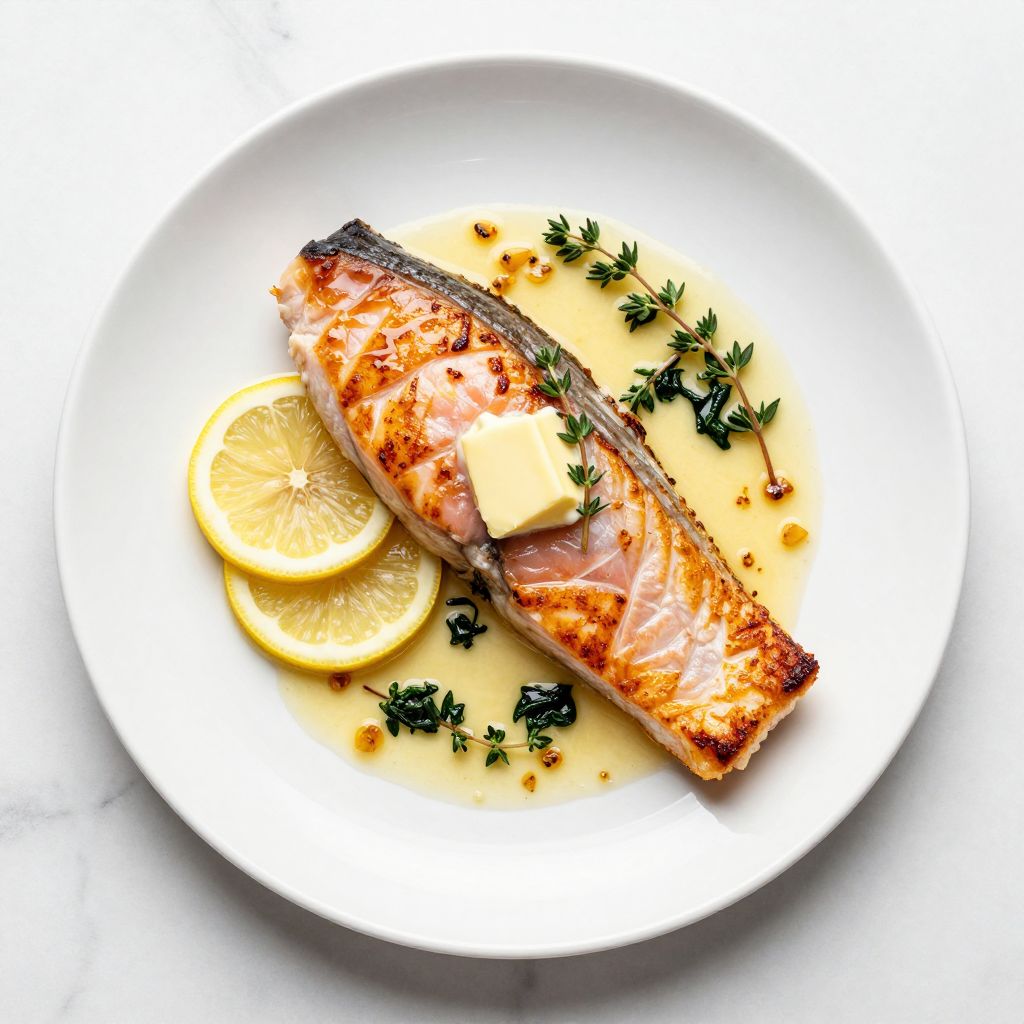
Pan-Seared Steelhead Trout with Lemon Butter
Ingredients
Equipment
Method
- Remove the fillets from the refrigerator 10 minutes before cooking to take the chill off.
- Pat both skin and flesh sides completely dry with paper towels to ensure crispy skin.
- Season each fillet on all sides with kosher salt and black pepper just before searing.
- Heat a 12-inch skillet over medium-high heat, add olive oil, and wait until the oil shimmers and lightly smokes, about 1 minute.
- Place fillets skin-side down in the hot oil, pressing gently for 2 seconds to ensure full contact; sear undisturbed for 5–6 minutes until the flesh turns opaque halfway up.
- Flip the fillets, add 2 tablespoons butter, minced garlic, and thyme sprigs to the pan, and baste continuously while cooking 3–4 minutes more or until an instant-read thermometer reads 120–125°F in the thickest part.
- Transfer fish to warm plates. Off heat, swirl remaining 2 tablespoons butter and lemon juice into the pan until melted and emulsified, then spoon the sauce over the fillets.
- Garnish with lemon slices and serve immediately while the skin is still crisp.