Rice pudding is a creamy, comforting dessert that transforms simple ingredients into something truly special.
This classic dish combines tender rice, rich milk, and warm spices into a bowl of pure comfort that works equally well as a cozy weeknight dessert or an elegant finish to a dinner party. The magic happens when you let the rice slowly absorb the milk, creating a silky, luxurious texture that feels indulgent without being heavy. Whether you serve it warm or chilled, rice pudding delivers that nostalgic, satisfied feeling we all crave.
Why You’ll Love This Recipe
Rice pudding checks every box for a dessert that tastes impressive but requires minimal effort and everyday pantry staples.
- Uses basic ingredients you likely have at home: rice, milk, sugar, and eggs.
- Naturally gluten-free and adaptable to almost any dietary preference.
- Can be made ahead and stored, making it perfect for meal prep or entertaining.
- Requires no special equipment or advanced cooking skills.
- Tastes equally good warm, chilled, or at room temperature.
My Experience Making This Recipe
The first time I made rice pudding from scratch, I was genuinely surprised by how forgiving it is. I expected fussy timing and constant stirring, but the actual process felt relaxed and meditative.
Watching the milk gradually transform from thin liquid to silky custard around the rice grains is oddly satisfying. The aroma that fills your kitchen as it cooks is warm and inviting, hinting at cinnamon and vanilla long before you taste it.
My family devoured it straight from the oven, but the leftovers were equally excellent cold the next morning. That versatility sold me completely on keeping this recipe in regular rotation.
Recipe Overview
- Recipe Name: Rice Pudding
- Servings: 6
- Prep Time: 10 minutes
- Cook Time: 35 minutes
- Total Time: 45 minutes
- Course: Dessert
- Cuisine: American
- Calories per Serving: 245
Equipment You Will Need
- Medium saucepan with a heavy bottom
- Measuring cups and spoons
- Wooden spoon for stirring
- Whisk
- 9-inch square baking dish or similar
- Oven mitts
- Instant-read thermometer (optional but helpful)
Ingredients for Rice Pudding
- 2 cups whole milk
- 1 cup heavy cream
- 1/2 cup short-grain white rice (arborio or sushi rice work best)
- 1/4 cup granulated sugar
- 3 large eggs
- 1 teaspoon vanilla extract
- 1/2 teaspoon ground cinnamon
- 1/4 teaspoon ground nutmeg
- 1/4 teaspoon salt
- 2 tablespoons butter
- 2 tablespoons raisins or currants (optional)
Ingredient Notes and Substitutions
- Short-grain rice: Short-grain varieties like arborio absorb liquid evenly and create the creamy texture rice pudding needs. Long-grain rice will give you grainier results, but if that is all you have, rinse it well and add an extra 10 minutes to cooking time.
- Whole milk and heavy cream: This combination creates richness and body that makes the pudding luxurious. You can substitute with 3 cups of half-and-half or use 2.5 cups milk plus 0.5 cups cream, though the flavor will be slightly lighter.
- Eggs: Eggs bind the pudding and add structure and richness. You cannot skip them without fundamentally changing the dish, but you can use all egg yolks for a silkier texture if you prefer.
- Vanilla extract: This provides warm flavor depth that balances the spices. Almond extract or rum extract can replace it if you want a different flavor direction.
- Cinnamon and nutmeg: These warm spices are traditional, but you can adjust amounts to your preference or swap in cardamom, allspice, or cloves for variation.
How to Make Rice Pudding
Step 1: Toast the Rice
Melt 1 tablespoon of butter in your saucepan over medium heat and add the rice. Stir constantly for about 2 minutes until the rice grains turn slightly golden and fragrant.
This toasting step is often skipped, but it adds a subtle nutty flavor that deepens the overall taste of the pudding. The heat also helps the rice grains maintain some texture instead of becoming mushy.
Step 2: Add the Milk and Cream
Pour in the whole milk and heavy cream, stirring well to combine with the toasted rice. Increase the heat to medium-high and bring the mixture to a simmer.
You want the liquid hot enough that it cooks the rice gently but not violently boiling, which could splatter or cause uneven cooking. This takes about 3 to 4 minutes depending on your stove.
Step 3: Cook the Rice
Once simmering, reduce heat to medium-low and cook uncovered for 15 to 18 minutes, stirring occasionally. The rice should absorb most of the liquid and become tender.
Stir every few minutes to prevent sticking on the bottom, and check that the rice is softening without the mixture becoming dry. You want it creamy and slightly loose, not thick and stodgy at this stage.
Step 4: Prepare the Egg Mixture
While the rice cooks, whisk together the eggs, sugar, vanilla extract, cinnamon, nutmeg, and salt in a separate bowl until well combined and slightly pale. Whisk for about 1 minute to fully incorporate the ingredients.
This mixture will temper (heat gently) when you add the hot rice milk, creating a silky custard without scrambling the eggs. Whisking it well ensures even distribution of spices and flavor.
Step 5: Temper the Eggs
Once the rice is tender, slowly ladle about 1/2 cup of the hot rice mixture into the egg mixture while whisking constantly. Add it in small amounts over about 30 seconds, never stopping your whisking motion.
Tempering prevents the eggs from cooking too fast and scrambling, which would create an unpleasant texture. This technique is essential for a smooth, creamy pudding.
Step 6: Combine Everything
Pour the tempered egg mixture back into the saucepan with the remaining rice and milk, stirring constantly to combine. The mixture should feel creamy and slightly thicker than before.
Keep stirring for about 2 minutes to ensure the eggs cook evenly throughout and the pudding becomes uniformly creamy. You should not see any white streaks of egg remaining.
Step 7: Add Final Touches
Remove from heat and stir in the remaining 1 tablespoon of butter and the raisins if using. The butter adds richness and helps the surface from forming a skin as it cools.
The residual heat will cook the raisins slightly and plump them, distributing their flavor throughout. If you prefer chewier raisins, add them only at serving time.
Step 8: Cool Slightly
Let the pudding sit for 5 minutes at room temperature before serving or transferring to your baking dish. This brief rest allows the pudding to set slightly and become easier to spoon.
If you prefer chilled pudding, transfer it to a serving dish now, press plastic wrap directly onto the surface to prevent a skin from forming, and refrigerate for at least 2 hours before serving.
Pro Tip: The key to perfect rice pudding is not rushing the cooling process and not overcooking the rice in the initial stage, so it does not turn mushy when the eggs cook.
Tips for the Best Rice Pudding
- Use short-grain rice specifically, as it releases starches that create creaminess, while long-grain rice stays separate and grainy.
- Stir frequently during cooking to prevent the rice from sticking to the bottom and burning, which creates bitter flavors.
- Keep your heat at medium or medium-low throughout cooking, since high heat can cause the milk to scorch and the eggs to scramble.
- If the pudding seems too thick after cooking, stir in a splash of warm milk to reach your desired consistency, as it will thicken more as it cools.
- For extra flavor depth, infuse the milk with a cinnamon stick or vanilla bean before adding the rice, then strain them out before combining with eggs.
- Toast your spices briefly in dry pan before adding to the egg mixture to intensify their flavor.
Common Mistakes to Avoid
- Using long-grain rice instead of short-grain results in pudding that feels separated and grainy rather than creamy and cohesive.
- Adding eggs too quickly without tempering them causes scrambled egg bits throughout the pudding instead of a smooth custard texture.
- Cooking on high heat scorches the milk and can cause the eggs to scramble, giving the pudding a curdled appearance.
- Skipping the initial rice toasting step misses an opportunity to add subtle nutty depth that distinguishes homemade pudding from bland versions.
- Covering the saucepan while cooking traps steam and makes the pudding watery instead of creamy, so always leave it uncovered.
Serving Suggestions
Rice pudding shines on its own, but pairing it with complementary flavors and textures elevates the experience. Whether you serve it warm or cold, these additions transform it into something memorable.
- Top with fresh berries like raspberries or blueberries for bright tartness that cuts through the richness.
- Drizzle with caramel sauce and sprinkle with sea salt for a sweet and salty contrast.
- Serve with cinnamon toast strips or buttery cookies for added crunch.
- Add a dollop of whipped cream and a pinch of nutmeg for extra elegance.
- Pair with poached pears or fresh apple compote for warm, spiced fruit flavor.
Variations to Try
- Coconut Rice Pudding: Replace half the heavy cream with coconut milk and add 1/2 teaspoon coconut extract for tropical flavor that feels lighter and brighter.
- Brown Rice Pudding: Use short-grain brown rice for a nuttier, more complex flavor, but extend cook time to 25 minutes since brown rice takes longer to soften.
- Cardamom and Rose Water Pudding: Replace cinnamon with ground cardamom and add 1/4 teaspoon rose water for a Middle Eastern twist that feels sophisticated and floral.
- Chocolate Rice Pudding: Whisk 3 tablespoons unsweetened cocoa powder into the egg mixture and increase sugar to 1/3 cup for a rich, decadent version.
- Arborio Style Risotto Pudding: Toast the rice longer (3 minutes) and add white wine before the milk to create deeper, more caramelized flavors reminiscent of risotto.
Dietary Adaptations
- Gluten-free: This recipe is naturally gluten-free as written, but verify that any vanilla extract or spices you use are certified gluten-free if this is a concern.
- Dairy-free: Substitute the milk and cream with unsweetened oat milk or cashew cream, and use aquafaba (liquid from canned chickpeas) as an egg replacer at a ratio of 3 tablespoons per egg.
- Vegan: Use plant-based milk, replace eggs with aquafaba, and substitute butter with coconut oil or vegan butter for a fully plant-based version.
- Low-carb or Keto: Replace white rice with cauliflower rice and use a keto sweetener instead of sugar, though the texture will be less creamy and more vegetable-forward.
Storage and Reheating
Refrigerator
Cover the pudding with plastic wrap pressed directly onto the surface and refrigerate for up to 4 days. The direct contact prevents a skin from forming and keeps it creamy.
- Stir gently before serving to redistribute any settled ingredients.
- If it thickens too much, stir in a splash of warm milk to loosen it.
Freezer
Transfer cooled pudding to an airtight freezer container and freeze for up to 3 months. The texture becomes slightly grainier after freezing, but the flavor remains strong.
- Freeze in individual portions for easy grab-and-thaw servings.
- Do not freeze pudding with whipped cream or fresh berry toppings.
Reheating
Thaw frozen pudding in the refrigerator overnight, then reheat gently in a saucepan over low heat, stirring constantly and adding milk as needed. Never use high heat, as this can cause curdling.
- Microwave individual portions at 50% power for 2 to 3 minutes, stirring halfway through.
- Serve warm pudding immediately for best texture.
Nutrition Information
| Nutrient | Amount |
|---|---|
| Calories | 245 |
| Total Fat | 12g |
| Saturated Fat | 7g |
| Carbohydrates | 28g |
| Fiber | 0g |
| Sugar | 18g |
| Protein | 6g |
| Sodium | 95mg |
| Cholesterol | 105mg |
These values are approximate and calculated for a basic pudding recipe without additional toppings. Actual nutrition varies depending on ingredient brands and portion size.
Frequently Asked Questions
Can I make rice pudding without eggs?
You can make a stovetop version without eggs by cooking the rice in milk with sugar and spices, but it will not have the same creamy custard texture. A cornstarch slurry can provide some structure, but the result is noticeably different from traditional rice pudding.
How far ahead can I make rice pudding?
You can make rice pudding up to 4 days in advance and store it covered in the refrigerator. Since it tastes good warm or cold, you can serve it directly from the fridge or reheat gently if you prefer it warm.
Why is my rice pudding grainy?
Graininess usually comes from using long-grain rice instead of short-grain, or from not stirring frequently enough during cooking so the rice does not break down properly. Make sure you use arborio or sushi rice and stir every few minutes.
Can I use cooked rice instead of uncooked?
You can, but the results are less reliable since cooked rice has already absorbed its liquid and will not release starches the same way. If using cooked rice, reduce the milk by 1/2 cup and start checking for doneness earlier.
What if my pudding breaks or looks curdled?
Curdling usually means the eggs cooked too fast, either from heat that was too high or from not tempering the eggs properly. Straining the pudding through a fine-mesh sieve can smooth out some texture issues, though the result may be slightly thinner.
Is rice pudding supposed to be thick or creamy?
Rice pudding should be creamy and spoonable, not stiff like pudding pie or thin like milk. If yours is too thick, stir in warm milk 1 tablespoon at a time until it reaches your preferred consistency.
Final Thoughts
Rice pudding deserves a spot in your regular dessert rotation because it delivers comfort and elegance in equal measure. Making it from scratch is simpler than you might expect, and the result tastes leagues better than boxed versions.
Give this recipe a try this week and experience how a few basic ingredients transform into something that feels special. Your family will thank you, and you will find yourself craving this creamy, spiced comfort food season after season.
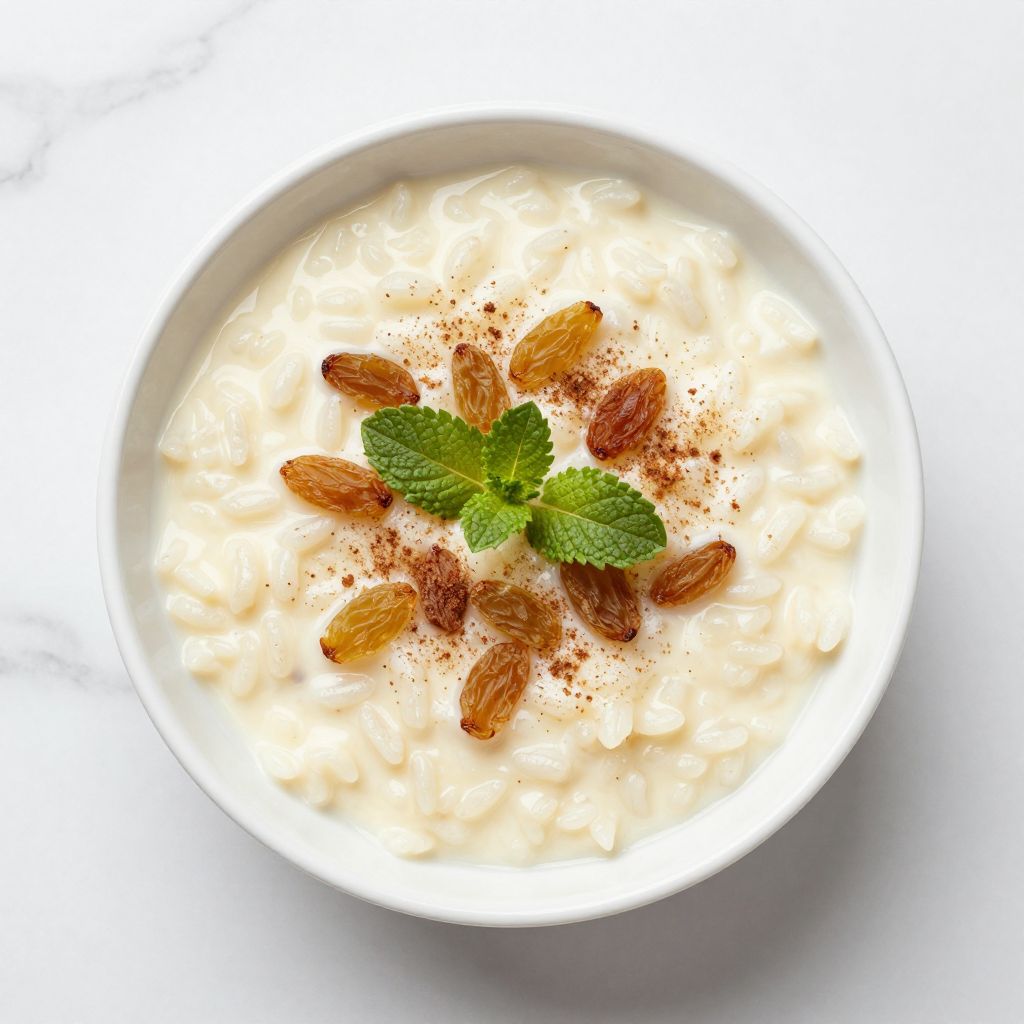
Rice Pudding
Ingredients
Equipment
Method
- Melt 1 tablespoon of butter in a medium saucepan over medium heat. Add the rice and stir constantly for about 2 minutes until the grains turn slightly golden and fragrant.
- Pour in the whole milk and heavy cream, stir to combine, and bring the mixture to a gentle simmer over medium-high heat, 3–4 minutes.
- Reduce heat to medium-low and cook uncovered for 15–18 minutes, stirring every few minutes, until the rice is tender and has absorbed most of the liquid.
- While the rice cooks, whisk together the eggs, sugar, vanilla extract, cinnamon, nutmeg, and salt in a bowl until smooth and slightly pale, about 1 minute.
- Temper the eggs: slowly ladle about 1/2 cup of the hot rice mixture into the egg mixture while whisking constantly for 30 seconds.
- Pour the tempered egg mixture back into the saucepan, stirring constantly. Cook for 2 minutes over medium-low heat until the pudding thickens and coats the back of the spoon.
- Remove from heat and stir in the remaining 1 tablespoon butter and the raisins or currants, if using.
- Let the pudding rest for 5 minutes before serving warm, or transfer to a dish, cover with plastic wrap pressed to the surface, and refrigerate for at least 2 hours for a chilled version.