Making your own quiche crust from scratch beats store-bought every single time. A buttery, flaky homemade crust elevates any quiche from ordinary to restaurant-quality, and the process is far simpler than you might think.
With just five basic ingredients and about 30 minutes of hands-on work, you’ll have a golden, crispy foundation that holds your favorite fillings perfectly. Let me show you exactly how to build a crust that will make your quiches the talk of your table.
Why You’ll Love This Recipe
This quiche crust delivers the crispy, tender texture that makes people ask for seconds. You control every ingredient, skip the preservatives, and get results that taste noticeably better than anything from a box.
- Takes just 30 minutes from start to blind-baking completion.
- Uses five simple pantry staples with no mystery ingredients.
- Creates a beautifully golden, flaky texture that stays crisp even with wet fillings.
- Works perfectly for savory or sweet quiches and tarts.
- Makes enough for one 9-inch pie dish with a little dough left for patching if needed.
My Experience Making This Recipe
I stumbled onto this crust method during a weekend brunch disaster when a store-bought crust split and leaked filling everywhere. My neighbor suggested I try making one from scratch, and I was skeptical at first because I thought pastry was some mysterious baker’s art.
Turns out, the secret is keeping everything cold and handling the dough as little as possible. My first attempt yielded a crust so crispy and buttery that my family asked me to skip the quiche filling next time and just serve crust with coffee.
Now I make this crust every time I’m baking a quiche, and I’ve taught it to friends who were equally amazed at how straightforward it is. The texture rivals anything a professional bakery produces, and the confidence boost from nailing homemade pastry is worth every minute.
Recipe Overview
- Recipe Name: Quiche Crust
- Servings: 1 crust (8 servings)
- Prep Time: 15 minutes
- Chill Time: 30 minutes
- Blind Bake Time: 15 minutes
- Total Time: 1 hour
- Course: Appetizer or Main
- Cuisine: French
- Calories per Serving: 280
Equipment You Will Need
- 9-inch pie dish or tart pan
- Mixing bowl
- Pastry cutter or two forks
- Measuring cups and spoons
- Plastic wrap
- Rolling pin
- Parchment paper
- Pie weights or dried beans
- Fork for pricking
Ingredients for Quiche Crust
- All-purpose flour: 1 1/4 cups
- Cold butter: 1/2 cup (1 stick), cubed
- Salt: 1/2 teaspoon
- Ice water: 3 to 4 tablespoons
- Sugar: 1 tablespoon (optional, for savory balance)
Ingredient Notes and Substitutions
- All-purpose flour provides structure and workability without being too tough. Swap with pastry flour for an even more tender crust, though it may be slightly more fragile to handle.
- Cold butter creates the flaky layers that make this crust sing. Use unsalted so you control the salt level, and never use softened butter or the texture will be tough and dense.
- Salt enhances flavor and strengthens gluten development just enough to hold the dough together. You can skip it only if using salted butter, but unsalted is better for control.
- Ice water keeps the butter cold during mixing, which locks in flakiness. Tap water works if ice water isn’t available, but chill it in the freezer for 5 minutes first.
- Sugar (optional) adds subtle sweetness that balances savory fillings without making the crust taste dessert-like. Omit it entirely if you prefer a purely savory crust.
How to Make Quiche Crust
Step 1: Combine Dry Ingredients
Whisk together the flour, salt, and sugar in a large mixing bowl. This distributes the salt and sugar evenly so you don’t end up with random salty or sweet pockets in your finished crust.
Step 2: Cut in the Cold Butter
Add the cubed cold butter to the flour mixture and use a pastry cutter or two forks to break it into pea-sized pieces. Work quickly and don’t overwork this step, or the heat from your hands will soften the butter and create a tough, dense crust instead of a flaky one.
Step 3: Test the Texture
The mixture should look crumbly and coarse, like wet sand or breadcrumbs. If you see streaks of butter larger than a pea, cut them in a bit more, but stop as soon as you reach the breadcrumb stage.
Step 4: Add Ice Water Gradually
Sprinkle 3 tablespoons of ice water over the mixture while tossing gently with a fork. Add just enough water so the dough comes together when you press it, without being sticky or wet.
Step 5: Form and Chill the Dough
Gather the dough into a ball, flatten it into a disk about 1 inch thick, and wrap it tightly in plastic wrap. Refrigerate for at least 30 minutes, which gives the gluten time to relax and the butter time to firm up for maximum flakiness.
Step 6: Roll Out the Dough
Remove the dough from the fridge and let it sit on the counter for 5 minutes to soften slightly. Dust your work surface lightly with flour and roll the dough into a circle about 11 inches in diameter and roughly 1/8 inch thick, rotating the dough occasionally to keep it even.
Step 7: Transfer to the Pie Dish
Gently roll the dough onto your rolling pin and unroll it over the pie dish, then press it firmly into the bottom and sides without stretching it. Trim the overhang to about 1 inch and fold it under itself to create a neat rim that sits just above the edge of the dish.
Step 8: Blind Bake the Crust
Preheat your oven to 375 degrees Fahrenheit. Prick the bottom of the crust all over with a fork, then line it with parchment paper and fill with pie weights or dried beans to keep it from puffing up.
Step 9: Bake and Cool
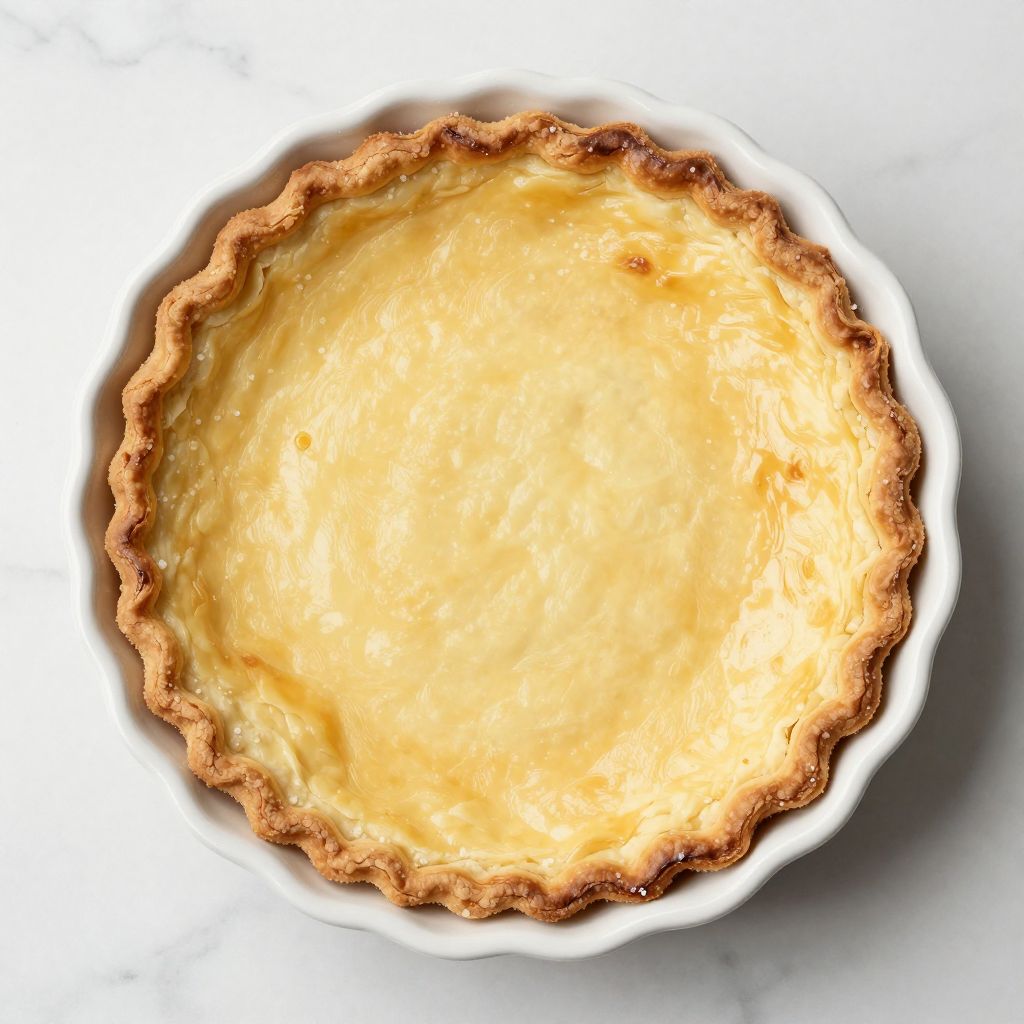
Bake for 15 minutes until the edges are light golden, then remove the weights and parchment. The crust is now ready to receive your quiche filling, or you can bake it for another 5 minutes if you prefer it slightly darker.
Pro Tip: Keep all your ingredients and tools cold throughout this process. A cold crust is a flaky crust, so chill your bowl, your mixing tools, and even your work surface if your kitchen runs warm.
Tips for the Best Quiche Crust
- Work quickly and keep your hands cool. If the dough feels soft, pop it back in the fridge for 5 minutes before continuing.
- Don’t skip the chill time before rolling. Those 30 minutes make an enormous difference in flakiness and handling ease.
- Use a light touch when rolling and transferring. Gentle handling keeps the butter from warming and the layers intact.
- Blind bake even if you’re adding a wet filling. This pre-baking step ensures a crispy bottom that won’t turn soggy.
- Let the crust cool in the pie dish for a few minutes after blind baking before adding your filling. This sets the structure and prevents cracking.
- If your crust cracks while transferring, patch it with a small piece of dough and seal with water. No one will ever know.
Common Mistakes to Avoid
- Using warm or softened butter destroys the flaky texture. The butter needs to stay in solid chunks so it creates steam-pockets as the crust bakes.
- Overworking the dough develops too much gluten, making the crust tough and chewy instead of tender and crisp.
- Skipping the blind bake leads to a soggy bottom crust when you pour in wet quiche filling. That 15 minutes of pre-baking is non-negotiable.
- Not chilling the dough causes it to shrink and pull away from the sides during baking. Cold dough is more stable and holds its shape beautifully.
- Forgetting to prick the bottom before blind baking lets the bottom puff up into a dome that won’t hold filling properly.
Serving Suggestions
A golden homemade quiche crust pairs beautifully with fresh salads and crusty bread for a complete meal. Serve your finished quiche warm or at room temperature alongside simple sides that let the filling shine.
- Mixed greens tossed with lemon vinaigrette and shaved Parmesan
- Roasted asparagus with garlic and olive oil
- A crusty baguette or focaccia for soaking up any delicious filling
- Fresh fruit salad with mint for a lighter contrast
- Roasted cherry tomatoes with herbs and balsamic glaze
Variations to Try
- Herb Crust: Add 1 tablespoon of fresh minced herbs like thyme, rosemary, or parsley to the flour mixture. This adds subtle flavor complexity that complements vegetable or cheese fillings beautifully.
- Whole Wheat Version: Replace 1/4 cup of all-purpose flour with whole wheat flour for a nuttier flavor and added nutrition. The texture remains flaky but with a heartier feel.
- Parmesan Crust: Mix 1/4 cup grated Parmesan into the flour before adding the butter. This creates a savory, umami-rich crust that pairs perfectly with egg and vegetable fillings.
- Gluten-Free Crust: Use a 1-to-1 gluten-free flour blend in place of all-purpose flour. Add 1 tablespoon of xanthan gum if your blend doesn’t already contain it, and handle the dough gently as it’s more delicate.
- Cornmeal Crust: Replace 1/4 cup of flour with cornmeal for a slightly crunchier texture and subtle corn flavor that pairs well with tomato-based fillings.
Dietary Adaptations
- Gluten-Free: Substitute a 1-to-1 gluten-free flour blend and add 1 tablespoon xanthan gum. The texture is slightly more tender but still delicious, with a minor trade-off in structure.
- Dairy-Free: Use cold dairy-free butter or coconut oil in place of regular butter. Coconut oil creates a crispier crust but imparts a subtle coconut flavor that not everyone enjoys.
- Vegan: Use cold vegan butter and replace any egg wash with aquafaba or plant-based milk if glazing. The crust bakes beautifully vegan with nearly identical texture to the original.
- Low-Carb/Keto: Use almond flour or coconut flour blended with psyllium husk in place of all-purpose flour. The texture differs noticeably and requires recipe adjustments, but it works for keto diets.
Storage and Reheating
Refrigerator
Store a blind-baked crust tightly wrapped in plastic wrap or in an airtight container for up to 3 days. The crust stays crispy for the first two days, then gradually softens.
- Keep it in the pie dish to maintain its shape and prevent breakage.
- Do not store filled quiches longer than 2 days as the crust softens more quickly with filling.
Freezer
Wrap the blind-baked crust tightly in plastic wrap and then foil, and freeze for up to 3 months. You can bake it from frozen without thawing, adding just 5 minutes to the bake time.
- Freeze the crust in the pie dish to prevent warping and maintain shape.
- Raw dough also freezes beautifully for up to one month and can go directly from freezer to rolling.
Reheating
If your finished quiche has been refrigerated, warm it gently at 325 degrees Fahrenheit for about 15 minutes to restore crispiness without overcooking the filling. Do not use the microwave, as it will soften the crust.
- Cover the quiche loosely with foil to prevent the crust edge from browning too much.
- Test the center with a fork to confirm the filling is warm before serving.
Nutrition Information
| Nutrient | Amount |
|---|---|
| Calories | 280 |
| Total Fat | 18g |
| Saturated Fat | 11g |
| Carbohydrates | 25g |
| Fiber | 1g |
| Sugar | 1g |
| Protein | 4g |
| Sodium | 310mg |
| Cholesterol | 45mg |
These values are approximate and based on one serving of crust alone without filling. The nutrition changes when you add your quiche filling, so calculate the full recipe if you want exact numbers for your finished dish.
Frequently Asked Questions
Can I Make the Dough the Night Before?
Yes, absolutely. Wrap the dough disk tightly in plastic wrap and refrigerate for up to 24 hours. This actually improves the flavor as the gluten relaxes and the dough becomes easier to work with.
What if My Dough Is Too Sticky to Roll?
Your kitchen or hands are probably too warm. Wrap the dough and chill it for 10 minutes, dust your work surface with flour, and try again with quick, confident strokes. If it keeps sticking, chill between rolls.
Can I Use This Crust for Sweet Pies or Tarts?
Completely. The crust works beautifully for any pie or tart. If making a sweet dessert, you can increase the sugar to 2 tablespoons, or add 1 tablespoon of vanilla extract for added flavor.
Why Did My Crust Shrink During Baking?
The dough wasn’t cold enough before baking, or you stretched it too much when fitting it into the dish. Both issues cause the gluten to tighten and contract, pulling the crust away from the edges. Always chill before baking and press gently without stretching.
How Do I Know When the Crust Is Done Blind Baking?
The edges should be light golden brown and set, while the bottom is pale but cooked through and no longer wet. If you peek under the parchment at the 12-minute mark and it still looks damp, bake the remaining 3 minutes before checking again.
Can I Make Multiple Crusts at Once?
Yes. Double or triple the recipe and make several dough disks at once. Wrap them individually and refrigerate for up to 2 days, or freeze for up to 3 months for quick quiche-making whenever you want.
Final Thoughts
Making your own quiche crust transforms how you feel about homemade quiches. The moment you pull a golden, flaky crust from the oven, you’ll understand why bakers have guarded their pastry secrets for centuries.
Stop settling for store-bought when you can create something better with five ingredients and minimal effort. Your next brunch, dinner party, or weeknight meal deserves a crust this good, so gather your ingredients and get started today.
Quiche Crust
Ingredients
Equipment
Method
- In a mixing bowl, whisk together the flour, salt, and sugar until evenly combined.
- Add the cold, cubed butter and use a pastry cutter or two forks to cut it into the flour until the mixture resembles coarse breadcrumbs with pea-sized pieces of butter.
- Drizzle 3 tablespoons of ice water over the mixture, tossing with a fork until the dough just begins to clump; add the remaining tablespoon only if needed.
- Gather the dough into a ball, flatten into a 1-inch-thick disk, wrap tightly in plastic wrap, and refrigerate for 30 minutes.
- Remove the chilled dough and let it rest at room temperature for 5 minutes. Lightly flour your work surface and roll the dough into an 11-inch circle about 1/8-inch thick, rotating as you roll.
- Carefully roll the dough around the rolling pin and unroll it over a 9-inch pie dish. Press it gently into the bottom and sides without stretching, leaving a 1-inch overhang. Trim excess and fold the rim under itself.
- Prick the base all over with a fork, line with parchment paper, and fill with pie weights or dried beans to prevent puffing.
- Preheat the oven to 375°F (190°C). Blind bake the crust for 15 minutes.
- Remove the parchment and weights, then bake for an additional 5 minutes for a light bake or 10 minutes for a deeper golden color. Cool for 5 minutes before adding quiche filling.