A meat sauce recipe is one of those kitchen staples that transforms ordinary pasta into something restaurant-worthy in under an hour. This rich, savory sauce built on ground beef, tomatoes, and aromatic vegetables delivers deep flavor that tastes like you’ve been simmering it all day.
Whether you’re feeding a hungry family or prepping meals for the week, mastering this classic sauce opens doors to countless dishes beyond spaghetti. Let’s build something delicious together.
Why You’ll Love This Recipe
This meat sauce hits all the marks for weeknight cooking: it’s straightforward, forgiving, and impossible to mess up once you know the basics.
- Packed with umami from browned beef and tomato paste, creating restaurant-quality depth
- Ready in 40 minutes or simmered low and slow for even richer flavor
- Freezes beautifully, making it perfect for meal prep and future quick dinners
- Works on pasta, polenta, rice, in lasagna, or spooned over garlic bread
- Adaptable to your pantry with room for extra vegetables and flavor tweaks
My Experience Making This Recipe
I first learned to make meat sauce from my Italian neighbor who insisted that the secret was patience and brown butter in the pan. She was absolutely right, and I’ve tweaked her method over years of cooking.
The moment the beef hits a screaming hot pan and develops that deep golden crust, you know you’re onto something good. When you add the tomato paste and let it caramelize slightly, the kitchen fills with an aroma that tells everyone dinner is going to be special.
My kids ask for this sauce by name, and I’ve taught them how to brown the meat properly because they want to learn the technique. It’s become our go-to Sunday dinner, and it’s taught me that the best recipes are the ones you make again and again.
Recipe Overview
- Recipe Name: Classic Meat Sauce
- Servings: 6
- Prep Time: 15 minutes
- Cook Time: 35 minutes
- Total Time: 50 minutes
- Course: Main Sauce
- Cuisine: Italian-American
- Calories per Serving: 285
Equipment You Will Need
- Large heavy-bottomed pot or Dutch oven
- Sharp chef’s knife
- Cutting board
- Wooden spoon or silicone spatula
- Can opener
- Measuring cups and spoons
- Garlic mincer or microplane
- Colander for draining ground beef (optional but helpful)
Ingredients for Meat Sauce
For the Base
- 2 tablespoons olive oil
- 1 pound ground beef (80/20 blend works best)
- 1 medium yellow onion, finely diced
- 4 cloves garlic, minced
- 2 carrots, finely diced
- 1 celery stalk, finely diced
For the Sauce
- 3 tablespoons tomato paste
- 1 can (28 ounces) crushed tomatoes
- 1/2 cup whole milk
- 1 teaspoon dried oregano
- 1/2 teaspoon dried basil
- 1/4 teaspoon red pepper flakes
- 1 bay leaf
- Salt and black pepper to taste
- 1 teaspoon sugar (balances acidity)
Ingredient Notes and Substitutions
- Ground beef (80/20): This ratio gives you enough fat for flavor without a greasy finished sauce. Ground chuck or a blend of beef and pork works if that’s what you have on hand.
- Tomato paste: It concentrates tomato flavor and adds body to the sauce. If you only have canned sauce, use 4 ounces and skip the extra crushed tomatoes, adjusting liquid as you go.
- Crushed tomatoes: Choose whole peeled tomatoes crushed by hand if possible, avoiding those with added puree. San Marzano varieties taste cleaner, but any quality brand will work.
- Whole milk: A splash of milk mellows acidity and adds silkiness to the final sauce. Heavy cream works but makes it richer; water or broth is less ideal but acceptable.
- Fresh garlic and onion: These aromatics build the flavor foundation and cannot be skipped without losing character. Pre-minced garlic will work in a pinch, but fresh tastes noticeably brighter.
How to Make Meat Sauce
Step 1: Heat Your Pot and Add Oil
Place your large pot over medium-high heat and let it warm for about 1 minute. Add the olive oil and swirl it around the pan so it coats the bottom evenly.
Step 2: Brown the Ground Beef
Once the oil shimmers, add all the ground beef to the pot in a single layer and resist the urge to stir immediately. Let it sit for 2 to 3 minutes so it develops a deep brown crust, which locks in flavor and creates that savory foundation you’re after.
Break the beef into chunks with your spoon, then continue cooking, stirring occasionally, until no pink remains and the meat has turned a rich golden brown. This should take about 5 to 7 minutes total and is the most important step for building depth.
Step 3: Drain Excess Fat (Optional)
If your beef released a lot of fat and the pan looks overly greasy, tilt the pot and skim off some excess with a spoon or pour the contents through a colander lined with paper towels. You want enough fat to coat the vegetables, not a slick of grease.
Step 4: Cook the Aromatics
Add the diced onion, carrot, and celery to the browned beef and stir well, scraping up any browned bits stuck to the bottom of the pot. These bits, called fond, are packed with flavor and will dissolve into your sauce as it cooks.
Cook for about 4 to 5 minutes, stirring occasionally, until the vegetables soften and the onion becomes translucent. The kitchen should smell savory and inviting at this point.
Step 5: Add Garlic and Tomato Paste
Stir in the minced garlic and cook for about 30 seconds until fragrant. Add the tomato paste and stir to coat all the beef and vegetables evenly.
Let the tomato paste cook for 2 minutes, stirring frequently, so it darkens and caramelizes slightly. This step deepens the sauce’s flavor and removes any raw paste taste.
Step 6: Add Crushed Tomatoes and Seasonings
Pour in the can of crushed tomatoes, scraping any paste clinging to the sides of the can into the pot. Add the oregano, basil, red pepper flakes, bay leaf, salt, pepper, and sugar.
Stir everything together until well combined and the sauce turns a vibrant red. The sugar balances the acidity of the tomatoes without making the sauce taste sweet, so don’t skip it.
Step 7: Bring to a Simmer
Increase the heat to medium and bring the sauce to a gentle simmer, stirring occasionally. Once you see small bubbles breaking the surface regularly, reduce the heat to medium-low so the sauce simmers gently without splattering.
Step 8: Simmer and Develop Flavor
Let the sauce bubble gently for 20 to 25 minutes, stirring every 5 minutes or so to prevent sticking on the bottom. The sauce will thicken, deepen in color, and develop richer, more complex flavor as it reduces.
Step 9: Add the Milk
After about 20 minutes, pour in the whole milk and stir gently to combine. The milk will swirl through the sauce, mellowing the tomato’s acidity and adding a subtle richness.
Step 10: Final Taste and Rest
Taste the sauce and add more salt and pepper if needed. Remove from heat and let it sit for 5 minutes so the flavors fully meld.
Pull out the bay leaf before serving. If the sauce seems too thick, stir in a splash of pasta water or beef broth to reach your desired consistency.
Pro Tip: The longer you simmer this sauce, the deeper its flavor becomes, so if you have an extra 15 to 20 minutes, let it go longer on low heat and taste the difference for yourself.
Tips for the Best Meat Sauce
- Don’t skip browning the meat properly, brown meat is flavorful meat, and a rush through this step shows in the final dish.
- Use crushed tomatoes rather than sauce for more control over consistency and a fresher tomato taste.
- Finely dice your vegetables so they cook quickly and distribute evenly throughout the sauce without being chunky.
- Keep the heat moderate while simmering, rapid boiling breaks down tomatoes unevenly and can make the sauce taste flat.
- Taste as you go and adjust seasoning at the end, salt brings out all the other flavors and makes the difference between good and great.
- Save some pasta water before draining, a splash stirred into finished sauce helps it cling to noodles beautifully.
Common Mistakes to Avoid
- Crowding the pan when browning beef prevents proper crust formation, so use a large pot and let the meat spread out.
- Stirring the meat constantly while it browns washes away crust and leaves you with gray, steamed beef instead of caramelized pieces.
- Skipping the tomato paste caramelization step misses an opportunity to deepen the sauce’s overall flavor profile.
- Adding all the liquid at once and boiling rapidly over high heat burns flavors and creates a thin, watery sauce instead of a rich one.
- Using low-fat or very lean beef results in a sauce that tastes thin and lacks the savory richness that makes this dish special.
Serving Suggestions
This sauce shines on hot pasta, but it’s equally at home on other canvases. Try it wherever you’d want savory, umami-rich flavor.
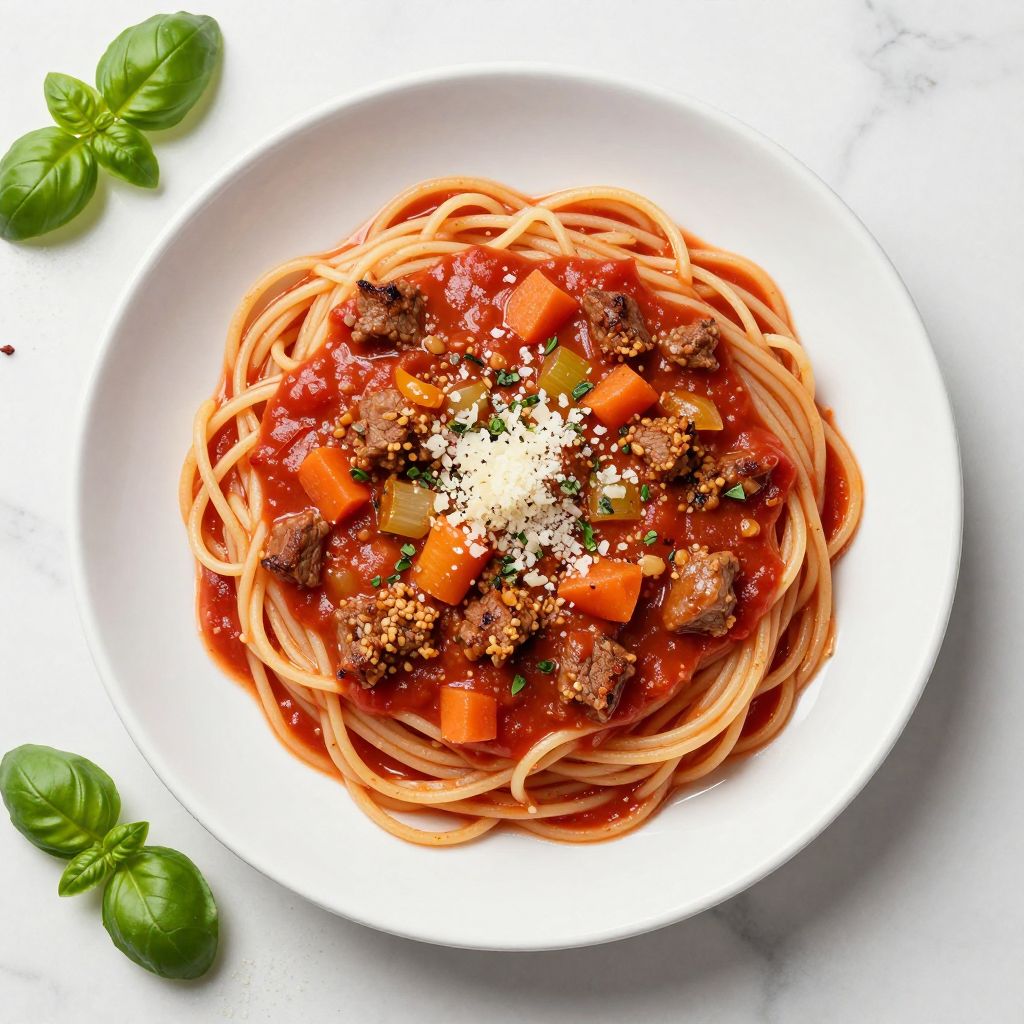
- Over thick spaghetti or pappardelle with fresh basil and grated Parmesan cheese
- Spread in layers for lasagna with ricotta and mozzarella for a classic baked dish
- Spooned over creamy polenta with a fried egg on top for a rustic dinner
- Mixed into cooked rice for a hearty, comforting bowl
- Piled onto toasted garlic bread for an indulgent open-faced sandwich
Variations to Try
- Meaty mushroom version: Add 8 ounces of diced mushrooms when you cook the aromatics for earthier depth and a meatier texture without adding more beef.
- Wine-enriched sauce: After browning the beef, deglaze the pan with 1/2 cup of red wine, scraping up fond and letting it reduce by half before adding tomato paste and other ingredients for sophisticated wine notes.
- Spicy heat: Double or triple the red pepper flakes and add a pinch of cayenne at the end if you prefer your sauce with more kick and lingering heat.
- Fennel and sausage blend: Replace half the ground beef with Italian sausage and add 1/2 teaspoon of ground fennel seed for a more complex, licorice-tinged flavor that tastes like grandmother’s kitchen.
- Liver and beef blend: Mix in 4 ounces of finely chopped chicken liver or beef liver for authentic Bolognese richness and intense savory depth.
Dietary Adaptations
- Gluten-free: This recipe is naturally gluten-free as written, so verify your tomato paste and crushed tomatoes carry no added starches on the label.
- Dairy-free: Omit the milk and replace it with an equal amount of full-fat coconut milk or a splash of olive oil for richness without the mellowing effect.
- Vegan and vegetarian: Swap ground beef for brown lentils or crumbled extra-firm tofu, increasing the amount to 1.5 cups since they’re less dense, and add 2 tablespoons of soy sauce for umami depth.
- Low-carb and keto: This sauce suits keto perfectly as written, serve it over zucchini noodles or cauliflower rice instead of pasta to keep carbs minimal.
Storage and Reheating
Refrigerator
Cool the sauce completely before transferring to airtight containers, it keeps safely for 3 to 4 days in the fridge. Store it separately from cooked pasta to prevent the noodles from absorbing all the sauce and becoming mushy.
- Pour into glass containers with tight-fitting lids for easy identification and space efficiency
- Label containers with the date so you know exactly when you made it
Freezer
This sauce freezes beautifully for up to 3 months, making it perfect for batch cooking sessions. Cool it completely, then transfer to freezer-safe containers or bags, leaving a bit of headspace for expansion.
- Flat freezer bags save space and thaw faster than rigid containers
- Portion into individual servings so you can thaw only what you need
Reheating
Thaw frozen sauce overnight in the refrigerator, then reheat gently over medium heat, stirring occasionally and adding a splash of water or broth if it seems too thick. Never microwave meat sauce as it heats unevenly and can separate.
- Reheat on the stovetop over medium heat for 5 to 10 minutes, stirring frequently
- Add fresh basil or a splash of quality olive oil when reheating to brighten flavors
Nutrition Information
| Nutrient | Amount |
|---|---|
| Calories | 285 |
| Total Fat | 14g |
| Saturated Fat | 5g |
| Carbohydrates | 16g |
| Fiber | 3g |
| Sugar | 8g |
| Protein | 22g |
| Sodium | 520mg |
| Cholesterol | 58mg |
These values are approximate and based on the ingredients listed above. Actual nutrition will vary slightly depending on the specific brands you use and how much of the sauce you serve per person.
Frequently Asked Questions
Can I make this sauce without tomato paste?
You can use an extra can of crushed tomatoes instead, though you’ll lose some of the concentrated depth that paste provides. Simmer for an additional 10 to 15 minutes to allow the sauce to reduce and thicken naturally.
How do I fix a sauce that’s too acidic or too thin?
For acidity, add another teaspoon of sugar and a pinch of baking soda, which neutralizes acid immediately. For thinness, simmer uncovered for 10 more minutes to evaporate excess liquid.
Can I make this ahead of time and refrigerate it before serving?
Absolutely, the sauce actually tastes better when made a day or two ahead because the flavors have more time to meld together. Reheat gently on the stovetop and thin with pasta water if needed.
What’s the best pasta shape to pair with this sauce?
Thick, ridged pastas like rigatoni, pappardelle, or spaghetti hold sauce beautifully because the grooves trap it and create more flavor in each bite. Delicate pastas like angel hair get overwhelmed by such a hearty sauce.
Can I use ground turkey or chicken instead of beef?
You can, but the sauce will taste noticeably lighter and less savory because poultry lacks beef’s rich umami. Consider adding 2 tablespoons of soy sauce or a tablespoon of balsamic vinegar to compensate for the lost depth.
Final Thoughts
Mastering this meat sauce recipe gives you a kitchen skill that impresses family and friends while keeping dinners simple and stress-free. Once you’ve made it a few times, you’ll find yourself adding it to rotation on nights when you want comfort food that tastes like you spent all afternoon cooking.
Give this sauce a try this week, taste what proper browning and gentle simmering can do, and watch how quickly it becomes a weeknight favorite you make again and again. Your future self will thank you.
Classic Meat Sauce
Ingredients
Equipment
Method
- Heat a large heavy-bottomed pot over medium-high heat for 1 minute, then add olive oil and swirl to coat the bottom.
- Add the ground beef in a single layer and let it cook undisturbed for 2–3 minutes until a deep brown crust forms.
- Break the beef into chunks and continue cooking 3–4 minutes more, stirring occasionally, until no pink remains and the meat is well browned.
- Drain excess fat if necessary, leaving just enough to coat the bottom of the pot.
- Stir in the diced onion, carrots, and celery; cook over medium-high heat for 4–5 minutes, scraping up browned bits, until vegetables soften and onion is translucent.
- Add minced garlic and cook 30 seconds until fragrant, then stir in tomato paste and cook 2 minutes, stirring frequently, until the paste darkens slightly.
- Pour in crushed tomatoes, then add oregano, basil, red pepper flakes, bay leaf, sugar, salt, and black pepper; stir to combine and bring to a gentle simmer.
- Reduce heat to medium-low and simmer uncovered for 20–25 minutes, stirring every 5 minutes, until the sauce thickens and flavors deepen.
- Stir in whole milk and simmer 2 more minutes to meld flavors and mellow acidity.
- Taste and adjust seasoning, remove the bay leaf, let the sauce rest off heat for 5 minutes, then serve over hot pasta or your favorite base.