General Tso sauce is the sweet, tangy, and spicy condiment that transforms simple chicken into a restaurant-quality dish you can make at home in minutes. This recipe combines soy sauce, rice vinegar, and a touch of heat to create the bold flavors you crave without any mystery ingredients or complicated techniques.
Whether you are drizzling it over crispy chicken, tossing it with vegetables, or using it as a dipping sauce, this versatile recipe delivers authentic taste every single time. Let’s unlock how to make it perfectly.
Why You’ll Love This Recipe
This General Tso sauce recipe beats store-bought versions because you control the sweetness, spice level, and ingredient quality.
- Ready in under 5 minutes with pantry staples you likely already have.
- No mysterious additives or cornstarch clumps that store-bought versions hide.
- Customizable heat level, so whether you like mild or fiery, this works for your taste.
- Perfect for meal prep and batch cooking for the entire week.
- Pairs with chicken, shrimp, vegetables, tofu, and even rice bowls.
My Experience Making This Recipe
The first time I made this sauce at home, I was shocked at how quickly it came together. I mixed the ingredients, heated the pan, and within three minutes had a glossy, restaurant-quality sauce that tasted better than takeout.
My family asked what I changed about my usual chicken dinner, and when I told them I made the sauce from scratch, they wanted the recipe immediately. Now I make a double batch every weekend because it disappears fast.
The smell alone as the garlic hits the hot pan is worth the effort, and watching the sauce thicken and turn glossy never gets old. One friend even asked if I could start a sauce business after tasting it on her dinner.
Recipe Overview
- Recipe Name: General Tso Sauce
- Servings: Makes about 1 cup (8 servings of 2 tablespoons each)
- Prep Time: 5 minutes
- Cook Time: 3 minutes
- Total Time: 8 minutes
- Course: Sauce/Condiment
- Cuisine: Chinese-American
- Calories per Serving: 45 calories
Equipment You Will Need
- Small saucepan or skillet
- Measuring spoons and cups
- Whisk or wooden spoon
- Cutting board and knife
- Garlic mincer or microplane (optional but helpful)
- Small bowl for combining dry ingredients
Ingredients for General Tso Sauce
- 1/2 cup soy sauce
- 1/4 cup rice vinegar
- 1/4 cup sugar or honey
- 2 tablespoons sesame oil
- 1 tablespoon cornstarch
- 3 cloves garlic, minced
- 1 teaspoon ginger, minced (fresh preferred)
- 1/2 to 1 teaspoon red pepper flakes (adjust to taste)
- 1/4 teaspoon white pepper
- 2 tablespoons water
- 1 teaspoon rice vinegar (reserved for cornstarch mix)
Ingredient Notes and Substitutions
- Soy Sauce: Soy sauce provides the deep umami base and saltiness that defines General Tso sauce. If you need low-sodium, use low-sodium soy sauce or coconut aminos for a different but still delicious flavor profile.
- Rice Vinegar: Rice vinegar adds gentle acidity and subtle sweetness that balances the sauce. White vinegar works but tastes sharper, while apple cider vinegar adds earthiness.
- Sugar: Sugar creates the signature sweetness that makes this sauce addictive and rounds out the heat. Honey provides the same sweetness with a thicker mouthfeel, or use brown sugar for molasses depth.
- Sesame Oil: Sesame oil brings toasted aromatics and richness that elevate the flavor from basic to special. Peanut oil or vegetable oil won’t hurt, but you lose that signature nutty depth.
- Cornstarch: Cornstarch thickens the sauce to coat your food properly instead of running off. Tapioca starch or arrowroot powder work as one-to-one replacements for corn-free cooking.
- Garlic and Ginger: Fresh garlic and ginger deliver bright, spicy notes that make the sauce taste alive. Garlic powder and ground ginger are acceptable backups, but use half the amount since dried spices concentrate more intensely.
- Red Pepper Flakes: Red pepper flakes bring the heat and signature spice kick to this sauce. Fresh Thai chilies, cayenne pepper, or even sriracha all work if you prefer different heat profiles.
How to Make General Tso Sauce
Step 1: Prepare Your Aromatics
Mince 3 cloves of fresh garlic and grate or mince about 1 teaspoon of fresh ginger root on your cutting board. Having your aromatics prepped and ready means you can work quickly once the pan heats, preventing them from burning before the other ingredients join in.
Step 2: Combine the Cornstarch Slurry
In a small bowl, whisk together 1 tablespoon cornstarch with 1 teaspoon rice vinegar and 2 tablespoons water until smooth with no lumps. This slurry prevents the cornstarch from clumping when it hits the hot liquid, giving you a silky sauce instead of grainy spots.
Step 3: Mix the Base Ingredients
In the same bowl or a separate one, combine 1/2 cup soy sauce, 1/4 cup rice vinegar, and 1/4 cup sugar. Stirring these together now saves time and ensures even distribution when they hit the heat.
Step 4: Heat Your Pan and Add Oil
Pour 2 tablespoons sesame oil into a small saucepan and warm it over medium heat for about 30 seconds until it shimmers. Sesame oil has a lower smoke point than vegetable oil, so medium heat keeps the flavor intact without burning the oil.
Step 5: Toast the Aromatics
Add your minced garlic and ginger to the hot oil and stir constantly for about 30 seconds until fragrant. This step releases the essential oils and creates depth, but watch closely so the garlic doesn’t brown and turn bitter.
Step 6: Add the Spice
Stir in 1/2 to 1 teaspoon red pepper flakes and 1/4 teaspoon white pepper, mixing for about 10 seconds. The heat blooms in the hot oil, distributing evenly so no single bite tastes too spicy.
Step 7: Pour in the Sauce Base
Add your soy sauce, rice vinegar, and sugar mixture to the pan and bring it to a gentle simmer over medium heat. The sauce should bubble slightly around the edges, which means the flavors are warming and melding together.
Step 8: Thicken with the Cornstarch Slurry
Whisk the cornstarch slurry once more to ensure the cornstarch hasn’t settled to the bottom, then slowly pour it into the simmering sauce while stirring constantly. Continuous stirring prevents lumps and helps the sauce thicken evenly to a glossy, coat-the-back-of-a-spoon consistency in about 1 minute.
Step 9: Taste and Adjust
Remove the pan from heat and taste a small spoonful that has cooled slightly. Add more red pepper flakes if you want more heat, a splash more soy sauce for saltiness, or a touch more sugar if it tastes too sharp.
Pro Tip: Let the sauce cool for 2 minutes before using it on hot food. This prevents the cornstarch from continuing to thicken and turning paste-like, keeping your sauce pourable and silky.
Tips for the Best General Tso Sauce
- Use fresh garlic and ginger whenever possible because they deliver brightness that transforms this sauce from good to unforgettable.
- Don’t skip the sesame oil, even if it feels like an extra expense, because it creates that signature toasted flavor you crave.
- Whisk the cornstarch slurry thoroughly right before adding it to prevent lumps that ruin the smooth texture.
- Keep the heat at medium and medium-high, never high, so the sauce simmers gently instead of boiling aggressively and breaking.
- Make a double batch and store it in the refrigerator for easy weeknight dinners all week long.
- Taste as you go and adjust heat and sweetness to your preference because everyone’s spice tolerance differs.
Common Mistakes to Avoid
- Burning the garlic and ginger by using heat that’s too high or not stirring constantly after adding them to the oil.
- Adding the cornstarch slurry to a boiling sauce instead of simmering sauce, which causes lumps and an uneven texture.
- Letting the sauce cool completely before storing, which causes it to thicken even more and become hard to pour.
- Using old or stale sesame oil that smells rancid, which ruins the entire batch with an off flavor.
- Skipping the white pepper, which adds subtle heat and complexity that makes people ask what your secret ingredient is.
Serving Suggestions
This sauce shines on crispy fried chicken, but it works beautifully on nearly any protein or vegetable you can think of. Try these combinations for maximum flavor impact.
- Toss over crispy fried chicken pieces or chicken thighs for the classic General Tso’s chicken experience.
- Drizzle on roasted broccoli florets and sesame seeds for a vegetarian bowl that feels restaurant-quality.
- Mix with shrimp and serve over jasmine rice with green onions for an elegant dinner.
- Use as a dipping sauce for potstickers, spring rolls, or crispy tofu cubes.
- Swirl into plain steamed vegetables or noodles to transform simple sides into something special.
Variations to Try
- Spicy Variant: Increase red pepper flakes to 1.5 teaspoons and add a pinch of cayenne pepper for serious heat that builds with each bite.
- Ginger-Forward Version: Double the ginger to 2 teaspoons for a warming, almost medicinal spice that pairs beautifully with chicken and rice.
- Honey Sweetness: Replace sugar with 3 tablespoons honey for a richer, more complex sweetness that feels less sharp than granulated sugar.
- Orange Zest Upgrade: Add 1 teaspoon grated orange zest and 1 tablespoon fresh orange juice for citrus brightness that makes this sauce feel elevated and fresh.
- Brown Butter Version: Toast your sesame oil until it turns light brown before adding aromatics for a nutty depth that tastes more sophisticated.
Dietary Adaptations
- Gluten-Free: Use tamari or certified gluten-free soy sauce instead of regular soy sauce, and verify your cornstarch is processed in a gluten-free facility.
- Dairy-Free: This recipe is naturally dairy-free, so no changes needed unless using store-bought versions.
- Vegan: This recipe is already vegan, making it perfect for plant-based cooking on any protein or vegetable.
- Low-Carb or Keto: Replace sugar with monk fruit sweetener or erythritol using a one-to-one ratio, and use cornstarch-free arrowroot powder as a thickener.
Storage and Reheating
Refrigerator
Pour your cooled sauce into an airtight container and refrigerate for up to 2 weeks. The sauce thickens slightly when cold, so warm it gently over low heat or in the microwave in 15-second bursts, stirring between each burst.
- Store in glass containers to prevent staining from the soy sauce.
- Label with the date so you know when you made it.
Freezer
General Tso sauce freezes beautifully for up to 3 months in freezer-safe containers or ice cube trays. Thaw overnight in the refrigerator before reheating gently.
- Freeze in 2-tablespoon portions in ice cube trays for grab-and-go convenience.
- Pop a frozen cube directly into a warm skillet if you’re short on time.
Reheating
Warm your sauce in a small saucepan over low heat, stirring occasionally until it reaches serving temperature. Avoid boiling, which can break down the cornstarch thickening and make it watery.
- Microwave in 15-second bursts, stirring between each, for the quickest route.
- Add a splash of water if the sauce thickened too much during storage.
Nutrition Information
| Nutrient | Amount |
|---|---|
| Calories | 45 |
| Total Fat | 3.5g |
| Saturated Fat | 0.5g |
| Carbohydrates | 4g |
| Fiber | 0g |
| Sugar | 3.5g |
| Protein | 0.5g |
| Sodium | 890mg |
| Cholesterol | 0mg |
These values are approximate and based on a 2-tablespoon serving size. Nutrition varies depending on specific brands and homemade adjustments made to the recipe.
Frequently Asked Questions
Can I make this sauce ahead of time?
Absolutely, and I recommend it for meal prep. Make the entire batch up to 2 weeks ahead and store it in the refrigerator in an airtight container.
What if my sauce breaks or becomes too thick?
Whisk in water one teaspoon at a time over low heat until you reach the consistency you want. If it broke from overheating, gently rewhisk the cornstarch slurry and add it again.
Can I use powdered garlic and ginger instead of fresh?
Yes, but use only 1/2 teaspoon garlic powder and 1/4 teaspoon ground ginger because dried spices are more concentrated. Fresh is always superior for flavor, though.
Is this sauce spicy?
With 1/2 to 1 teaspoon red pepper flakes, it has a moderate kick that builds as you eat. Reduce the flakes to 1/4 teaspoon for mild heat, or increase to 1.5 teaspoons if you love serious spice.
What’s the difference between white pepper and black pepper?
White pepper delivers heat without the peppery flavor notes, making it ideal for sauces where you want spice without visible specks. Black pepper has more flavor but looks darker in the sauce.
Can I use this sauce on other proteins besides chicken?
Yes, this sauce works beautifully on shrimp, pork, beef, tofu, and even roasted vegetables. The bold flavors complement virtually any protein you choose.
Why does my sauce look cloudy instead of glossy?
This usually means you added the cornstarch slurry to boiling liquid instead of simmering liquid, or you didn’t whisk it smoothly. Try reheating gently while whisking constantly to break up lumps.
Final Thoughts
Making General Tso sauce at home transforms your weeknight cooking from ordinary to restaurant-quality with minimal effort. Once you realize how simple this truly is, you’ll never buy bottled again.
Get into the kitchen this week, make a batch, and taste the difference that fresh garlic, real ginger, and quality sesame oil deliver. Your family will ask what changed, and you’ll have the confidence to say you made it from scratch.
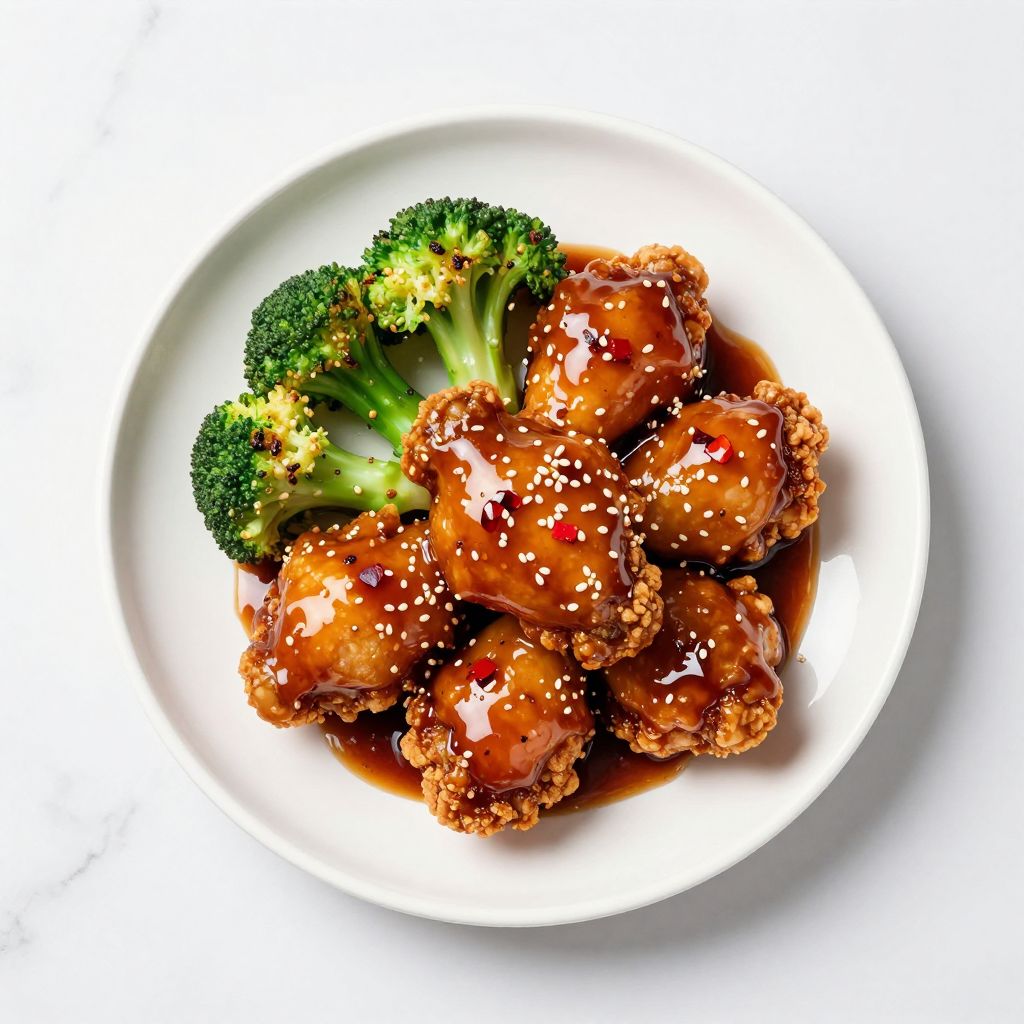
General Tso Sauce
Ingredients
Equipment
Method
- Mince the garlic cloves and ginger; set aside.
- In a small bowl, whisk 1 tablespoon cornstarch with 1 teaspoon rice vinegar and 2 tablespoons water until completely smooth; keep the slurry nearby.
- In a second bowl, stir together 1/2 cup soy sauce, 1/4 cup rice vinegar, and 1/4 cup sugar or honey until the sugar dissolves.
- Heat a small saucepan over medium heat and add 2 tablespoons sesame oil; warm for about 30 seconds until the oil shimmers.
- Add the minced garlic and ginger; cook, stirring constantly, for 30 seconds until fragrant but not browned.
- Stir in 1/2 to 1 teaspoon red pepper flakes and 1/4 teaspoon white pepper; toast for 10 seconds to bloom the spices.
- Pour the soy sauce–vinegar–sugar mixture into the pan; bring to a gentle simmer, about 1 minute.
- Whisk the cornstarch slurry again, then slowly stream it into the simmering sauce while stirring constantly; continue cooking for 1 minute, or until the sauce is glossy and thick enough to coat the back of a spoon.
- Remove from heat, taste, and adjust seasoning with additional red pepper flakes for heat, soy sauce for salt, or sugar for sweetness as desired. Let cool for 2 minutes before using or storing.