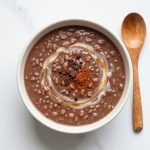
Ditalini pasta is a small, tube-shaped Italian pasta that cooks quickly and absorbs flavors beautifully, making it perfect for soups, salads, and baked pasta dishes. This humble pasta packs serious versatility into its tiny form, and once you master the basics, you’ll find yourself reaching for it again and again. Whether you’re building a hearty minestrone or a creamy baked ditalini casserole, this recipe guide will walk you through everything you need to know.
Why You’ll Love This Recipe
Ditalini pasta delivers comfort and simplicity in every bite, and it’s genuinely hard to mess up.
- Cooks in under 10 minutes, perfect for weeknight dinners
- Works beautifully in soups, salads, pasta bakes, and side dishes
- Affordable and widely available at any grocery store
- Tiny tubes trap sauce and broth for maximum flavor in every spoonful
- Kid-friendly and pairs well with both light and heavy sauces
My Experience Making This Recipe
I first fell in love with ditalini while eating my grandmother’s minestrone soup on cold winter afternoons. The pasta was tender but never mushy, and it caught little pockets of broth and vegetables that made each spoonful feel special.
Over the years, I’ve experimented with ditalini in everything from creamy mac and cheese variations to fresh tomato salads. The key is respecting the cooking time and not overcrowding the pot, which I learned the hard way after one soggy batch.
My family requests ditalini pasta salad at summer cookouts now, and I’ve converted several skeptics who thought “small pasta” meant “boring pasta.” The right sauce and technique make all the difference.
Recipe Overview
- Recipe Name: Ditalini Pasta
- Servings: 4 servings
- Prep Time: 5 minutes
- Cook Time: 8 minutes
- Total Time: 13 minutes
- Course: Main Course or Side Dish
- Cuisine: Italian
- Calories per Serving: 200
Equipment You Will Need
- Large pot (at least 4 quarts)
- Colander or pasta strainer
- Wooden spoon for stirring
- Measuring cups and spoons
- Taste tester (your mouth counts)
- Pasta fork or regular fork
Ingredients for Ditalini Pasta
- Ditalini pasta: 1 pound
- Water: 4 quarts
- Salt: 2 tablespoons
- Olive oil: 1 tablespoon (optional, for tossing after draining)
Ingredient Notes and Substitutions
- Ditalini pasta: These small tubes are shaped specifically to catch sauce and broth. If you can’t find ditalini, small pasta shapes like orzo, stelline, or acini di pepe work similarly, though cooking times may vary slightly.
- Water: Use filtered or tap water; the quality of water affects pasta texture subtly. You cannot really substitute water, but soft water works better than very hard water for pasta cooking.
- Salt: Table salt, kosher salt, or sea salt all work; adjust amounts slightly depending on which you choose. Kosher salt is coarser and takes up more space, so use 1.5 tablespoons if substituting kosher for table salt.
- Olive oil: This prevents sticking and adds richness but is optional. You can skip it entirely if keeping the dish light, or use butter for a richer finish instead.
How to Make Ditalini Pasta
Step 1: Fill Your Pot with Water
Pour 4 quarts of water into a large pot and place it on high heat. You need plenty of water so the pasta has room to move around and cook evenly without sticking to itself.
Step 2: Add Salt to the Water
Once the water reaches a rolling boil, add 2 tablespoons of salt and stir well. Salted water seasons the pasta from the inside out and prevents it from tasting bland, so don’t skip this step even if you plan to add sauce later.
Step 3: Wait for a Full Rolling Boil
Let the water return to a full, vigorous rolling boil before adding the pasta. A rolling boil ensures even cooking and prevents the pasta from absorbing water unevenly, which can lead to some pieces soft and others firm.
Step 4: Add the Ditalini Pasta
Carefully add 1 pound of ditalini pasta to the boiling water and stir immediately with a wooden spoon. Stirring right away prevents the pasta from clumping together at the bottom of the pot.
Step 5: Stir Occasionally During Cooking
Stir the pasta every 2 to 3 minutes as it cooks to maintain even heat distribution and prevent sticking. Don’t overcrowd the spoon or you’ll break the delicate tubes; a gentle stir does the job.
Step 6: Begin Tasting at 6 Minutes
At the 6-minute mark, fish out one piece with a fork and taste it to check for doneness. Ditalini should be al dente, which means tender but with a slight firmness when you bite it, not mushy.
Step 7: Drain the Pasta Thoroughly
When the pasta reaches your desired doneness, pour it into a colander to drain off all the water. Reserve 1 cup of pasta cooking water in case you need it to adjust sauce consistency later.
Step 8: Toss with Olive Oil (Optional)
Transfer the drained pasta to a bowl and toss with 1 tablespoon of olive oil if not using it immediately in soup or sauce. This light coating prevents sticking and adds a touch of richness that makes plain ditalini taste more finished.
Step 9: Use Your Cooked Ditalini
Add your cooked ditalini to soup, toss it with sauce, fold it into a baked pasta dish, or chill it for a cold pasta salad. The small size and tender texture make it work beautifully across countless recipes.
Pro Tip: Taste the pasta one minute before the package suggests; it continues cooking slightly from residual heat after draining, so catching it one minute early prevents that mushy texture you regret later.
Tips for the Best Ditalini Pasta
- Use a large pot with plenty of water so pasta cooks evenly and doesn’t stick to itself or the pot bottom.
- Salt your water generously before adding pasta; this is your only chance to season the pasta itself.
- Don’t break the pasta to fit it in the pot; it softens and curls as it cooks, so it all fits naturally.
- Taste at 6 minutes, not 8, to catch that perfect al dente texture before it becomes soft.
- Reserve pasta water before draining; starchy pasta water thickens and binds sauces beautifully.
- If making a cold salad, rinse the cooked pasta lightly under cool water to stop the cooking process quickly.
Common Mistakes to Avoid
- Using too little water: Crowded pasta cooks unevenly and sticks together, creating clumps instead of separate pieces.
- Not salting the water: This is your only chance to flavor the pasta itself; omitting salt leaves it bland no matter what sauce you add later.
- Walking away during cooking: These tiny tubes cook fast, and a distraction of 2 minutes can turn perfect pasta into mush.
- Rinsing all the pasta after cooking: Removing the starchy coating makes sauce slide right off; reserve and use reserved water instead to adjust sauce.
- Cooking with the lid on: A covered pot causes water to boil over and creates uneven cooking as steam builds pressure.
Serving Suggestions
Ditalini pasta shines when paired with bright, flavorful accompaniments that complement its delicate texture. Here are some of my favorite ways to serve it.
- Stir into hot minestrone or vegetable soup for a comforting bowl in minutes
- Toss with fresh tomatoes, basil, garlic, and olive oil for a light summer pasta
- Mix into creamy baked casserole with cheese, vegetables, and béchamel sauce
- Combine with olives, feta, cherry tomatoes, and lemon vinaigrette for a cold pasta salad
- Serve alongside roasted vegetables and grilled chicken or fish for a lighter meal
Variations to Try
- Ditalini in Broth: Cook ditalini directly in simmering vegetable or chicken broth instead of water for extra flavor without adding sauce afterward.
- Baked Ditalini and Cheese: Toss cooked ditalini with ricotta, mozzarella, parmesan, and marinara sauce, then bake at 375 degrees for 20 minutes until golden and bubbly.
- Creamy Garlic Ditalini: Toss warm pasta with butter, minced garlic, heavy cream, and fresh parmesan for a rich, simple sauce that highlights the pasta’s delicate texture.
- Ditalini Pasta Salad: Chill cooked ditalini and mix with chopped vegetables, Italian dressing, fresh herbs, and diced cheese for a potluck favorite.
- Ditalini Aglio e Olio: Toss warm pasta with good quality olive oil infused with garlic, red pepper flakes, and fresh parsley for a classic, minimalist dish.
Dietary Adaptations
- Gluten-Free: Substitute with gluten-free ditalini made from rice, chickpea, or lentil flour; cooking time may differ by 1 to 2 minutes, so taste earlier than you normally would.
- Dairy-Free: Ditalini is naturally dairy-free when cooked in water and salt; pair with olive oil-based sauces, tomato sauce, or vegetable broth for creamy results without dairy.
- Vegan: Cook plain ditalini and toss with plant-based oil, vegetable broth, nutritional yeast, and fresh herbs for a satisfying vegan meal.
- Low-Carb or Keto: Replace ditalini with chickpea pasta or lentil pasta to reduce carbohydrates while maintaining the small pasta shape and quick cooking time.
Storage and Reheating
Refrigerator
Store cooked ditalini in an airtight container for up to 4 days. Keep it lightly coated with olive oil to prevent drying out.
- Stir in a splash of water or broth before reheating to restore moisture
- Reheat gently over medium-low heat, stirring frequently
- Use cold ditalini straight from the fridge for salads without warming
Freezer
Freeze cooked ditalini in freezer-safe containers or bags for up to 3 months. Flat freezer bags take up less space and thaw faster.
- Label with the date so you use it within the recommended timeframe
- Cooked pasta doesn’t freeze as well as fresh dough, but it works for soups and baked dishes
Reheating
Thaw frozen ditalini in the refrigerator overnight, then reheat gently with a splash of water or broth. For quick reheating, add frozen ditalini directly to simmering soup.
- Microwave in a covered bowl with a splash of water for 1 to 2 minutes
- Stovetop reheating over medium heat with added broth or sauce prevents drying
Nutrition Information
| Nutrient | Amount |
|---|---|
| Calories | 200 |
| Total Fat | 1g |
| Saturated Fat | 0.2g |
| Carbohydrates | 41g |
| Fiber | 2g |
| Sugar | 1g |
| Protein | 7g |
| Sodium | 380mg |
| Cholesterol | 0mg |
These values are approximate and based on plain cooked ditalini without added oil or sauce. Actual nutrition varies based on the brand and whether you add any toppings or cooking fats.
Frequently Asked Questions
Can I cook ditalini in broth instead of water?
Absolutely, and it’s a fantastic shortcut for extra flavor. Cook it in vegetable, chicken, or beef broth the same way you would water, adjusting salt to account for the broth’s existing sodium.
How do I know when ditalini is done cooking?
Taste a piece at 6 minutes; it should be tender but with a slight firmness in the center when you bite it. This al dente texture is ideal because it continues cooking slightly after draining from residual heat.
Can I make ditalini ahead of time for a salad?
Yes, cook it, drain it, rinse it lightly under cool water, and refrigerate it for up to 4 days. Toss it with your salad dressing just before serving to prevent it from drying out.
Why does my ditalini turn out mushy?
You’re likely cooking it too long or using too little water, which causes uneven cooking and overcooking. Start tasting at 6 minutes and drain immediately when you reach al dente texture.
What makes ditalini different from other small pastas?
Ditalini’s tiny tube shape allows it to catch and hold sauce and broth better than other small shapes, making every bite flavorful. The tubes also cook quickly and work beautifully in soups, which is where this pasta truly shines.
Can I add ditalini directly to soup?
Yes, you can cook it separately and add it at the end, or cook it directly in the simmering soup; both methods work. Cooking it in the soup saves a pot but requires careful timing so you don’t overcook it.
Final Thoughts
Ditalini pasta might be small, but it’s packed with potential for delicious meals that come together in minutes. Once you nail the basic cooking technique, you can experiment endlessly with soups, salads, baked dishes, and sauces.
Grab a box of ditalini on your next grocery trip and try it in minestrone or your favorite pasta salad. Your family will thank you, and you’ll wonder why you didn’t discover this little tube pasta sooner.
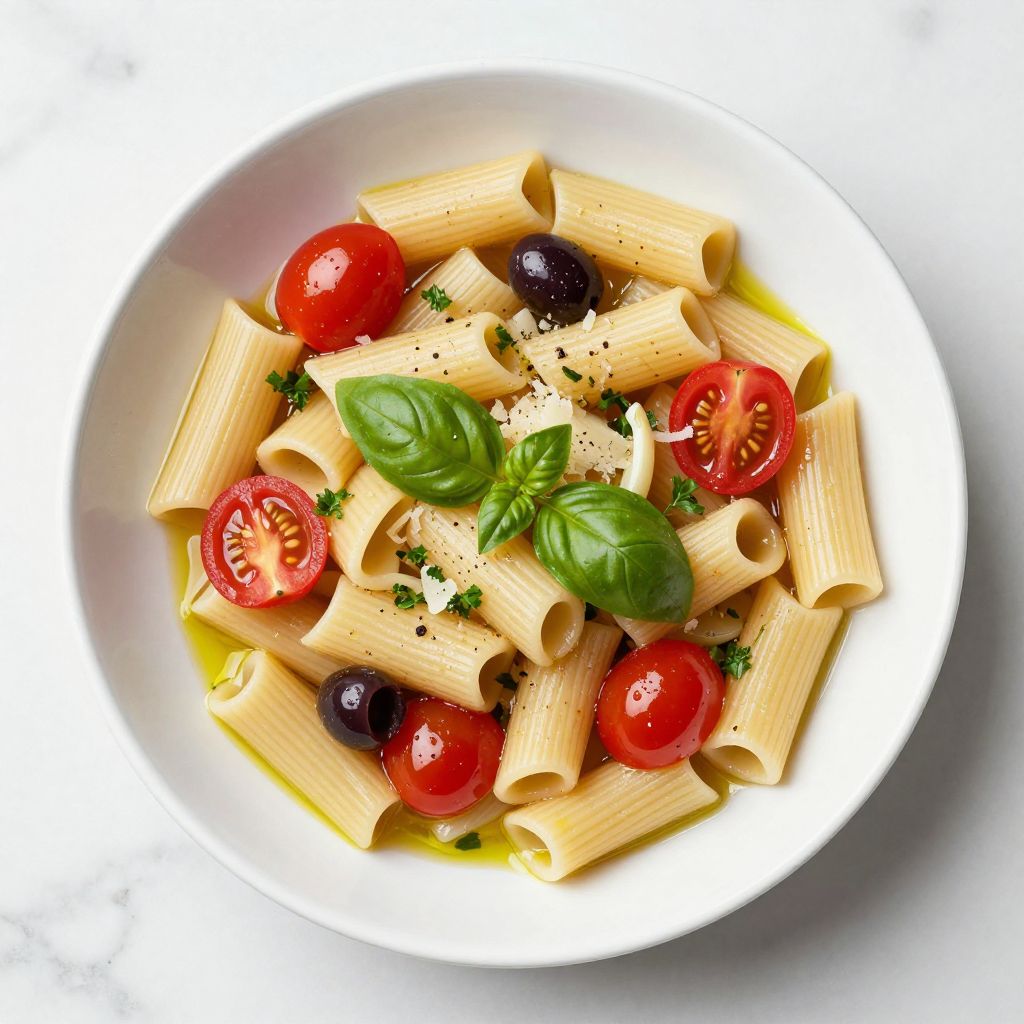
Ditalini Pasta
Ingredients
Equipment
Method
- Fill a large pot with 4 quarts of water and place over high heat until it reaches a rolling boil.
- Add 2 tablespoons of salt to the boiling water and stir to dissolve.
- Return the water to a full rolling boil, then add 1 pound of ditalini pasta, stirring immediately to prevent sticking.
- Cook the pasta for 6–8 minutes, stirring every 2–3 minutes to ensure even cooking.
- Begin tasting at 6 minutes; the pasta is done when it is al dente—tender with a slight bite.
- Reserve 1 cup of pasta cooking water, then drain the ditalini thoroughly in a colander.
- If not using immediately, transfer the drained pasta to a bowl and toss with 1 tablespoon olive oil to prevent sticking.
- Serve hot in soup or with sauce, or cool for pasta salad as desired.