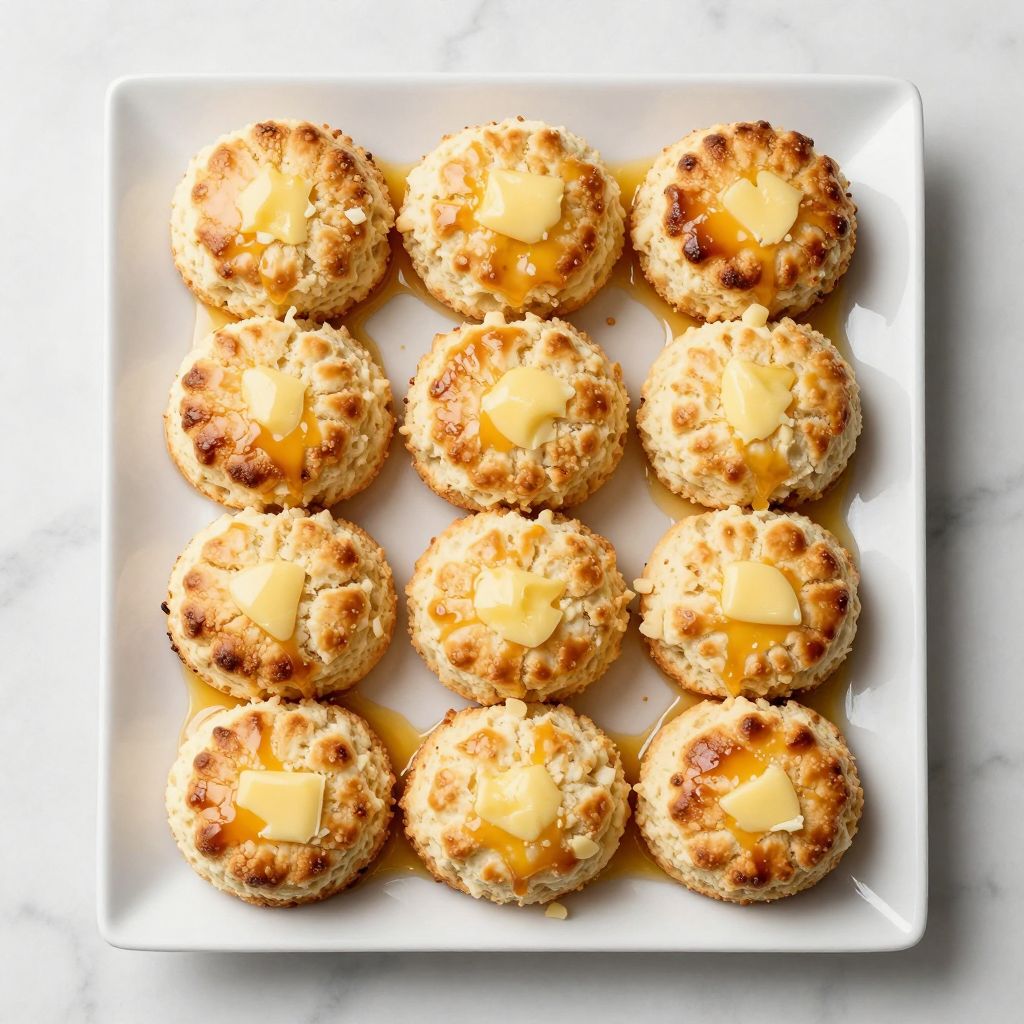
Butter Swim Biscuits are pillowy, golden rolls that literally float in melted butter, making them impossibly tender and irresistible. These biscuits transform a simple dough into something restaurant-worthy, with crispy edges and soft, buttery centers that will have everyone reaching for seconds.
The magic happens when you pour melted butter into the baking pan before adding the biscuit dough, creating a luxurious bath that cooks the bottoms to perfection. You’ll have bakery-quality biscuits on your table in under an hour, and your kitchen will smell absolutely incredible.
Why You’ll Love This Recipe
These biscuits deliver maximum flavor with minimal fuss, and the presentation alone impresses guests. The butter base eliminates the need to flip or rotate the pan, so you get consistent results every single time.
- Ultra-tender crumb that melts on your tongue
- Golden, crispy bottoms from the butter bath
- Ready in less than 45 minutes from start to finish
- Perfect for breakfast, brunch, or dinner service
- Impresses family and friends without requiring advanced baking skills
My Experience Making This Recipe
The first time I made butter swim biscuits, I was skeptical about drowning dough in butter. Once I pulled them out of the oven and saw those golden, glistening biscuits swimming in liquid gold, I was immediately converted.
My kids devoured half a pan before dinner even started, which tells you everything you need to know about how good they taste. The buttery exterior combined with that tender interior made these the new centerpiece of our family meals.
What surprised me most was how forgiving the recipe is. Slightly thicker or thinner biscuits, a few minutes longer in the oven, slightly different butter amounts… everything still works beautifully. That’s when you know you’ve found a recipe worth keeping.
Recipe Overview
- Recipe Name: Butter Swim Biscuits
- Servings: 12 biscuits
- Prep Time: 15 minutes
- Cook Time: 25 minutes
- Total Time: 40 minutes
- Course: Bread/Side Dish
- Cuisine: American
- Calories per Serving: 280 calories
Equipment You Will Need
- 9×13 inch baking pan
- Large mixing bowl
- Measuring cups and spoons
- Pastry cutter or fork
- Rolling pin
- Sharp knife or biscuit cutter
- Baking sheet (optional, for shaping)
- Oven thermometer (optional, but helpful)
Ingredients for Butter Swim Biscuits
- All-purpose flour: 3 cups
- Baking powder: 1 tablespoon
- Salt: 1 teaspoon
- Cold butter: 6 tablespoons, cubed
- Buttermilk: 1 1/4 cups, cold
- Butter for swimming: 1/2 cup (1 standard stick), melted
Ingredient Notes and Substitutions
- All-purpose flour provides the right balance of protein and structure for tender biscuits. You can substitute with cake flour for even more tenderness, though the biscuits will be slightly more delicate.
- Baking powder creates lift and fluffiness in the dough. Double-acting baking powder works best because it rises twice: once when wet and again in the heat.
- Cold butter creates steam pockets that make biscuits flaky. Warm butter will result in dense, tough biscuits, so this step matters.
- Buttermilk adds tang and reacts with baking soda to create lift. Regular milk works in a pinch, but add 1 tablespoon lemon juice to approximate the acidity.
- Melted butter for swimming is what makes these special, creating that golden, crispy exterior. Use real butter here for authentic flavor and texture.
How to Make Butter Swim Biscuits
Step 1: Preheat and Prepare the Pan
Preheat your oven to 425 degrees Fahrenheit. Pour the 1/2 cup melted butter into a 9×13 inch baking pan, making sure it coats the entire bottom.
Step 2: Combine the Dry Ingredients
Whisk together the flour, baking powder, and salt in a large mixing bowl. Mixing these together now distributes the leavening agent evenly throughout the dough, preventing dense pockets.
Step 3: Cut in the Cold Butter
Add the cold, cubed butter to the flour mixture. Using a pastry cutter, two forks, or your fingertips, work the butter into the flour until the mixture resembles coarse breadcrumbs with some pea-sized pieces still visible.
This step creates pockets of fat that steam during baking, producing that coveted flaky texture. Avoid overworking the mixture, as this melts the butter and toughens the biscuits.
Step 4: Add the Buttermilk
Pour the cold buttermilk into the flour mixture. Gently fold the dough together with a spatula or wooden spoon, stirring just until the dry ingredients are moistened.
The dough will look shaggy and rough at this point. Stop mixing immediately once you no longer see dry flour; overmixing develops gluten and creates tough biscuits.
Step 5: Turn Out and Knead Gently
Lightly flour a clean work surface and turn the dough out onto it. Gently knead the dough 6 to 8 times, just until it comes together into a cohesive mass.
This gentle handling brings the dough together without overdeveloping the gluten. You want a tender biscuit, not a chewy one.
Step 6: Roll Out the Dough
Roll the dough out to approximately 1/2 inch thickness using a lightly floured rolling pin. An even thickness ensures all biscuits cook at the same rate.
Step 7: Cut the Biscuits
Cut the dough into 12 biscuits using a sharp 2-inch biscuit cutter or knife, cutting straight down without twisting. Twisting seals the edges and prevents the biscuits from rising properly.
If using a knife, you can cut them into squares or rectangles for easier cutting. Gather the scraps and reroll gently only once, as overworking them produces tough biscuits.
Step 8: Arrange in the Butter
Carefully place each biscuit into the melted butter in the baking pan, arranging them in 3 rows of 4. The biscuits should sit in the butter but not be fully submerged.
Step 9: Bake Until Golden
Bake for 20 to 25 minutes, until the biscuits are deeply golden brown on top and the butter is bubbling around the edges. A good oven thermometer helps ensure your temperature is accurate.
The biscuits will continue cooking slightly after you remove them from the oven, so don’t wait until they’re dark brown. Watch for golden color with just a hint of browning.
Step 10: Rest and Serve
Remove the pan from the oven and let the biscuits rest for 2 to 3 minutes. This allows them to set slightly so they hold together when you transfer them.
Serve warm directly from the pan, or transfer to a serving plate and spoon any extra butter from the pan over the top. These are best enjoyed immediately while still warm and buttery.
Pro Tip: Keep your butter and buttermilk cold, and don’t skip the resting time after mixing. These two factors are what separate delicate, flaky biscuits from dense hockey pucks.
Tips for the Best Butter Swim Biscuits
- Use a kitchen scale to measure flour for accuracy. Scooping directly from the bag compacts flour and can add up to an extra 1/4 cup of flour to your dough, resulting in tough biscuits.
- Work quickly once the buttermilk is added. Cold dough produces flakier biscuits, so minimize handling and get them in the pan as soon as possible.
- Don’t skip the initial butter bath in the pan. This is what creates the signature crispy, golden bottom that makes these biscuits special.
- Brush additional melted butter on top immediately after removing from the oven for an extra-luxurious finish. The warm biscuits will absorb it beautifully.
- Check your baking powder freshness by mixing a small amount with vinegar. Fresh baking powder will fizz vigorously; stale baking powder produces flat, dense biscuits.
- Rotate the pan halfway through baking if your oven has hot spots. Most home ovens heat unevenly, so this ensures even browning.
Common Mistakes to Avoid
- Warming the butter before cutting it in melts the fat into the flour, eliminating the pockets that create flakiness. Always use cold butter pulled straight from the refrigerator.
- Overmixing the dough develops gluten strands, making biscuits tough and chewy instead of tender. Mix just until the dry ingredients disappear.
- Using warm buttermilk warms the dough and prevents those steam pockets from forming. Keep it cold from the refrigerator.
- Twisting the biscuit cutter seals the edges, preventing proper rise and creating dense, compact biscuits. Cut with a straight up-and-down motion.
- Baking at too low a temperature produces pale, dense biscuits that lack that beautiful golden exterior. Use an oven thermometer to verify 425 degrees.
Serving Suggestions
Butter swim biscuits shine alongside breakfast scrambles, lunch soups, or dinner roasts. Serve them warm from the oven for maximum impact, and let guests tear them apart at the table.
- Alongside creamy soups like tomato bisque or butternut squash for soaking up every drop
- With breakfast scrambled eggs, bacon, and fresh fruit for a weekend brunch
- Next to slow-cooker chili with a dollop of sour cream
- As the base for breakfast sandwiches with sausage patties and sharp cheddar
- Served plain with jam and whipped butter for afternoon tea
Variations to Try
- Herb and Cheese Biscuits: Add 1 cup shredded sharp cheddar and 1 teaspoon dried thyme to the dry ingredients. The cheese adds savory depth, while herbs complement the buttery flavor.
- Jalapeno Cornbread Biscuits: Substitute 1/2 cup flour with cornmeal and add 2 diced jalapeños and 1/2 cup corn kernels. This creates a slightly grittier texture with a spicy kick.
- Honey Butter Biscuits: Drizzle 2 tablespoons warm honey into the melted butter before adding the biscuits. The honey caramelizes slightly and adds subtle sweetness.
- Garlic Parmesan Biscuits: Mix 3 cloves minced garlic and 1/3 cup grated Parmesan into the melted butter before pouring into the pan. This creates an intensely savory, restaurant-style version.
- Black Pepper and Sage Biscuits: Add 1 teaspoon cracked black pepper and 1 tablespoon fresh chopped sage to the dry ingredients. The pepper adds bite while sage brings an earthy, sophisticated note.
Dietary Adaptations
- Gluten-Free: Substitute 1-to-1 gluten-free all-purpose flour for regular flour, adding 1/4 teaspoon xanthan gum if your blend doesn’t include it. Gluten-free biscuits won’t rise quite as much, but will still be tender and delicious.
- Dairy-Free: Use vegan butter for both the cubed butter and the swimming butter, and substitute unsweetened almond milk mixed with 1 tablespoon apple cider vinegar for buttermilk. The result is slightly less rich but still very satisfying.
- Vegan: Follow the dairy-free adaptations above and ensure your baking powder is aluminum-free. These vegan biscuits won’t be quite as flaky, but they’re still delicious.
- Low-Carb/Keto: Replace flour with almond flour and add 2 tablespoons psyllium husk powder for structure. Use heavy cream instead of buttermilk, reduce total butter, and expect a denser, more dense-crumbed result.
Storage and Reheating
Refrigerator
Store leftover biscuits in an airtight container for up to 3 days. The butter keeps them moist, but they’re best enjoyed within 24 hours of baking.
- Place a paper towel in the bottom of the container to absorb excess moisture
- Don’t stack biscuits directly on top of each other, as this can compress them
Freezer
Freeze cooled biscuits in a freezer-safe container or bag for up to 2 months. Layer parchment paper between biscuits to prevent sticking.
- Thaw at room temperature for 2 hours before reheating
- Frozen biscuits can go straight into the oven without thawing if you add 5 minutes to the reheating time
Reheating
Warm biscuits in a 350-degree oven for 8 to 10 minutes until heated through. You can also wrap them loosely in foil to prevent the tops from drying out.
- Brush with additional melted butter before reheating to restore the buttery exterior
- Avoid microwaving, which makes them tough and rubbery
- A toaster oven works perfectly for reheating 1 or 2 biscuits
Nutrition Information
| Nutrient | Amount |
|---|---|
| Calories | 280 |
| Total Fat | 14g |
| Saturated Fat | 8g |
| Carbohydrates | 33g |
| Fiber | 1g |
| Sugar | 1g |
| Protein | 5g |
| Sodium | 380mg |
| Cholesterol | 35mg |
These values are estimates based on standard ingredients and a yield of 12 biscuits. Actual nutrition may vary slightly based on ingredient brands and preparation methods.
Frequently Asked Questions
Can I Make the Dough Ahead of Time?
Yes, prepare the dough up to the rolling stage, wrap it tightly in plastic wrap, and refrigerate for up to 24 hours. Cut and bake directly from the refrigerator, adding 3 to 5 minutes to the baking time.
Why Are My Biscuits Coming Out Dense?
Dense biscuits usually result from overmixing the dough, warm ingredients, or using stale baking powder. Mix minimally, keep everything cold, and test your baking powder before using.
Can I Use Self-Rising Flour Instead?
Self-rising flour already contains baking powder and salt, so you’d need to adjust the recipe by omitting those ingredients and using 3 cups self-rising flour. The results work well and save a step.
What If I Don’t Have Buttermilk?
Mix 1 1/4 cups regular milk with 1 tablespoon white vinegar or lemon juice and let sit for 5 minutes to curdle. This substitute works nearly identically to buttermilk.
Can I Make These Without the Butter Bath?
Technically yes, but you lose the signature golden, crispy bottoms and buttery richness that make this recipe special. The butter bath is what transforms ordinary biscuits into something restaurant-worthy.
How Do I Know When They’re Done Baking?
Look for a golden brown color on top and a bubbling, lightly browned butter around the edges. The biscuits should spring back slightly when you tap them.
Final Thoughts
Butter swim biscuits prove that sometimes the simplest recipes create the most memorable results. The magic isn’t complicated or hard to execute, just a few quality ingredients and a willingness to let butter do what it does best.
Make these this weekend, watch your family’s faces light up, and you’ll understand why this recipe deserves a permanent spot in your rotation. These buttery, tender biscuits will quickly become the side dish everyone requests at every meal.
Butter Swim Biscuits
Ingredients
Equipment
Method
- Preheat the oven to 425°F (220°C). Pour the 1/2 cup melted butter into a 9x13-inch baking pan, tilting to coat the bottom evenly.
- In a large mixing bowl, whisk together the flour, baking powder, and salt until well combined.
- Add the cold, cubed butter to the dry ingredients and cut it in with a pastry cutter or fork until the mixture resembles coarse crumbs with pea-sized pieces of butter visible.
- Pour the cold buttermilk into the bowl and gently fold with a spatula just until no dry flour remains. The dough will be shaggy.
- Lightly flour a work surface and turn the dough out. Knead gently 6–8 times until it comes together.
- Roll the dough to about 1/2-inch thickness using a floured rolling pin.
- Cut the dough into 12 biscuits with a 2-inch cutter or sharp knife, pressing straight down without twisting.
- Arrange the cut biscuits in three rows of four in the buttered pan; they should sit in, but not be submerged by, the butter.
- Bake for 20–25 minutes, until the tops are deep golden brown and the butter is bubbling around the edges.
- Remove from the oven and let rest 2–3 minutes before serving warm, spooning any extra melted butter over the tops if desired.