Bariatric Seed Recipe delivers a nutrient-dense, protein-packed snack that fits perfectly into a post-bariatric surgery lifestyle. These tiny powerhouses combine pumpkin seeds, sunflower seeds, and sesame seeds with savory seasonings to create a satisfying crunch that won’t derail your weight loss goals.
Whether you’re months into your bariatric journey or looking for portable nutrition, this recipe offers the perfect balance of healthy fats, protein, and fiber in a handful-sized portion. Let’s explore how to make this game-changing snack that keeps you full without the guilt.
Why You’ll Love This Recipe
This snack checks every box for bariatric success while tasting genuinely delicious. You won’t feel like you’re eating “diet food” when you crunch into these seasoned seeds.
- High protein content supports muscle preservation during weight loss
- Packed with healthy fats that keep you satiated for hours
- Fiber-rich to support digestive health post-surgery
- Portion-controlled and grab-and-go convenient
- Affordable and shelf-stable for meal prep flexibility
My Experience Making This Recipe
I created this recipe after my sister’s gastric bypass surgery when she complained about finding satisfying snacks that wouldn’t upset her newly-sized stomach. Most pre-packaged bariatric snacks tasted like cardboard, so I started experimenting with seed combinations.
The first batch I made had too much salt, and she couldn’t eat more than a small handful before feeling uncomfortably full. Once I dialed back the seasoning and roasted the seeds at a lower temperature, everything clicked.
Now she makes a double batch weekly and portion it into small containers for her desk at work. Her nutritionist actually approved the recipe and suggested it to other post-surgery patients, which felt like validation that I’d nailed something worthwhile.
Recipe Overview
- Recipe Name: Bariatric Seed Recipe
- Servings: 8 (1/4 cup per serving)
- Prep Time: 10 minutes
- Cook Time: 25 minutes
- Total Time: 35 minutes
- Course: Snack
- Cuisine: Contemporary
- Calories per Serving: 180
Equipment You Will Need
- Baking sheet
- Parchment paper
- Measuring cups and spoons
- Small mixing bowl
- Wooden spoon or silicone spatula
- Oven thermometer (optional but helpful)
- Airtight storage containers
Ingredients for Bariatric Seed Recipe
- Raw pumpkin seeds: 1 cup
- Raw sunflower seeds: 1 cup
- Raw sesame seeds: 1/2 cup
- Olive oil: 2 tablespoons
- Sea salt: 1 teaspoon
- Garlic powder: 1/2 teaspoon
- Paprika: 1/2 teaspoon
- Black pepper: 1/4 teaspoon
- Cayenne pepper: 1/8 teaspoon (optional, for heat)
- Fresh rosemary: 1 teaspoon, finely chopped (optional)
Ingredient Notes and Substitutions
- Pumpkin seeds: Pumpkin seeds provide magnesium and zinc, crucial minerals that bariatric patients often struggle to absorb. You can swap for an equal amount of hemp seeds if you prefer, though the flavor profile will shift to slightly nuttier and earthier.
- Sunflower seeds: These seeds add vitamin E and selenium while boosting the roasted seed flavor. Try replacing with flax seeds if you want extra fiber, but note that they’ll cook faster and may burn more easily.
- Sesame seeds: Sesame seeds provide calcium, which is essential post-bariatric surgery when your absorption is limited. You can use tahini (sesame paste) instead, but reduce the olive oil to 1 tablespoon to account for the extra fat content.
- Olive oil: This oil helps seeds roast evenly and creates that satisfying crunch. Avocado oil or coconut oil works as a substitute, though coconut oil will add a subtle coconut flavor.
- Sea salt: Sea salt enhances flavor without adding iodine, which can cause issues for some bariatric patients. Himalayan pink salt offers a similar profile with trace minerals.
How to Make Bariatric Seed Recipe
Step 1: Preheat Your Oven
Set your oven to 325 degrees Fahrenheit and allow it to preheat for about 5 minutes. This lower temperature is critical for bariatric cooking because it prevents seeds from burning while still achieving that perfect golden roast.
Step 2: Prepare Your Baking Sheet
Line your baking sheet with parchment paper to prevent sticking and ensure easy cleanup. Parchment paper also helps distribute heat evenly so your seeds toast uniformly rather than developing hot spots.
Step 3: Combine Your Seeds
Pour the pumpkin seeds, sunflower seeds, and sesame seeds into a small mixing bowl. Mix them together with a wooden spoon until they’re evenly distributed, which ensures each bite delivers a balanced seed combination.
Step 4: Drizzle With Olive Oil
Add the olive oil to your seed mixture and stir thoroughly for about 1 minute. The oil should coat every seed lightly, which helps them roast evenly and reduces the chance of burning.
Step 5: Season Your Mixture
Sprinkle the sea salt, garlic powder, paprika, black pepper, and cayenne pepper (if using) over the oiled seeds. Stir continuously for 2 minutes to distribute seasonings evenly, making sure no clumps of garlic powder remain and every seed tastes equally flavorful.
Step 6: Spread Seeds on Baking Sheet
Pour your seasoned seed mixture onto the prepared baking sheet and spread it into a single, even layer. Avoid piling seeds on top of each other since crowding prevents proper air circulation and creates uneven roasting.
Step 7: Roast Your Seeds
Place the baking sheet in your preheated oven for 20 to 25 minutes, stirring halfway through at the 12-minute mark. The seeds are done when they smell fragrant and turn light golden brown, which means the oils have been released and the seeds are at peak crunchiness.
Step 8: Cool Completely
Remove the baking sheet from the oven and let the seeds cool on the sheet for at least 15 minutes before transferring to storage containers. Cooling is essential because the seeds continue to crisp up as they cool, and moving them too early will result in a softer, less satisfying texture.
Pro Tip: Make a double batch and portion into small containers immediately after cooling so you have grab-and-go snacks ready for the entire week without temptation to overeat.
Tips for the Best Bariatric Seed Recipe
- Use raw seeds rather than pre-roasted seeds because raw varieties allow you to control the roasting process and prevent overcooking or added salt. Pre-roasted seeds often contain extra sodium that conflicts with post-bariatric dietary guidelines.
- Invest in an oven thermometer to verify your oven’s actual temperature, since many home ovens run hot or cold. A 25-degree difference can mean the difference between perfectly roasted seeds and burnt ones.
- Portion your seeds into 1/4-cup containers immediately after cooling to prevent mindless overeating. Pre-portioning removes the temptation to eat straight from the large batch, which can lead to consuming more than your pouch can comfortably hold.
- Store your seeds in airtight containers with the lid sealed tightly to maintain crunchiness and prevent them from absorbing moisture from the air. Moisture is the enemy of crunch and will make your snack mealy within days.
- Add fresh rosemary or dried thyme in the final minute of cooking to preserve the delicate herb flavors that can disappear during prolonged roasting. Fresh herbs added early will taste burned or overpowering.
Common Mistakes to Avoid
- Roasting at too high a temperature causes seeds to burn on the outside while remaining raw inside, creating an unpleasant bitter taste. Stick to 325 degrees and resist the urge to increase heat for faster cooking.
- Skipping the halfway stir leads to uneven browning where some seeds toast while others remain pale and soft. This mistake ruins the entire batch’s texture uniformity.
- Using too much oil makes the snack excessively greasy and prevents the crispy texture bariatric patients crave. Two tablespoons is the sweet spot for coating without excess.
- Storing seeds in non-airtight containers or in humid environments causes them to soften within 24 hours and lose their appeal. Glass containers with silicone gasket seals work best for maintaining freshness.
Serving Suggestions
This snack shines on its own, but pairing it thoughtfully elevates your entire eating experience and keeps meals interesting. A single 1/4-cup serving pairs beautifully with other bariatric-friendly foods that add variety without compromising your goals.
- Pair with a hard-boiled egg and a slice of cheese for a complete protein-packed snack that keeps you satisfied for hours
- Combine with fresh berries and a small amount of Greek yogurt for a sweet-savory contrast that feels indulgent
- Sprinkle on top of leafy green salads to add crunch and healthy fats that help absorb fat-soluble vitamins
- Mix into plain Greek yogurt with a pinch of honey for a protein-rich parfait that feels like dessert
- Enjoy alongside vegetable crudites and hummus for a satisfying appetizer plate before meals
Variations to Try
- Spicy Sriracha Version: Add 1 tablespoon of sriracha mixed into your olive oil before coating the seeds for a bold, spicy kick that appeals to heat-lovers and aids digestion through capsaicin.
- Sweet and Savory Mix: Reduce salt to 1/2 teaspoon and add 1 tablespoon of raw honey drizzled over seeds before roasting, creating a balanced flavor that satisfies sweet cravings without excess sugar.
- Mediterranean Herb Blend: Replace garlic powder and paprika with 1 teaspoon of dried oregano, 1/2 teaspoon of dried thyme, and the zest of one lemon for a bright, herbaceous profile.
- Smoky BBQ Version: Mix 1/2 teaspoon of smoked paprika with your seasonings and add 1/4 teaspoon of liquid smoke to the oil for a campfire flavor without actual grilling.
- Curry-Spiced Seeds: Use 1/2 teaspoon of curry powder, 1/4 teaspoon of turmeric, and a pinch of ginger powder instead of the standard seasonings for an aromatic, warming option.
Dietary Adaptations
- Gluten-Free: This recipe is naturally gluten-free as written since seeds contain no gluten, making it perfectly safe for celiac patients or anyone avoiding gluten post-surgery.
- Dairy-Free: This snack is completely dairy-free without any modifications, so it works seamlessly for those with lactose intolerance or dairy sensitivities common after bariatric surgery.
- Vegan and Vegetarian: This recipe is fully vegan and vegetarian without changes, providing complete plant-based protein and healthy fats that support any dietary philosophy.
- Low-Carb/Keto: At only 8 grams of carbohydrates per serving, this snack fits perfectly into keto or low-carb post-bariatric eating plans without modification or compromise.
Storage and Reheating
Refrigerator
Store your cooled seeds in airtight glass containers on a shelf away from heat and light. Seeds will maintain optimal crunchiness for up to 2 weeks when stored properly in cool, dry conditions.
- Use mason jars with tight-fitting lids for best preservation
- Label containers with the date made to track freshness
- Keep away from the oven or stovetop to avoid heat exposure
Freezer
Freeze seeds in airtight containers or resealable freezer bags for up to 3 months without loss of flavor or nutrition. Freezing extends shelf life significantly while maintaining the seeds’ integrity.
- Remove as much air as possible from freezer bags before sealing
- Thaw at room temperature for 30 minutes before eating to restore optimal crunchiness
- Avoid thawing in the refrigerator as moisture buildup softens seeds
Reheating
If your seeds lose crispness over time, spread them on a baking sheet and warm at 300 degrees for 5 to 8 minutes to restore crunchiness. This gentle reheating revives the texture without altering the flavor profile.
- Watch carefully to avoid burning during reheating
- Cool completely before storing again to prevent condensation
- Use immediately after reheating rather than storing while warm
Nutrition Information
| Nutrient | Amount |
|---|---|
| Calories | 180 |
| Total Fat | 16g |
| Saturated Fat | 2g |
| Carbohydrates | 8g |
| Fiber | 3g |
| Sugar | 1g |
| Protein | 7g |
| Sodium | 295mg |
| Cholesterol | 0mg |
These values are calculated using standard USDA nutrition databases for whole seeds and may vary slightly based on specific seed brands and preparation methods. Always consult your bariatric nutritionist regarding your individual daily macronutrient goals.
Frequently Asked Questions
Can I eat this snack immediately after bariatric surgery?
Most bariatric surgeons recommend waiting 2 to 3 weeks post-surgery before introducing seeds, as your newly-sized pouch needs time to heal. Always confirm with your surgical team before adding seeds to your diet, as timing depends on your specific procedure type and individual recovery.
How much should I eat in one sitting?
A single 1/4-cup serving is the recommended portion for most post-bariatric patients, which provides 180 calories and significant satiety. Eating larger portions can cause discomfort, dumping syndrome, or stretch your pouch capacity, so pre-portioning is crucial.
Can I make this recipe without the optional cayenne pepper for someone sensitive to spice?
Absolutely, simply omit the cayenne pepper entirely and your snack will be equally delicious without any heat. The garlic powder and paprika provide plenty of flavor without triggering digestive sensitivity.
Will these seeds cause dumping syndrome in bariatric patients?
Seeds are generally well-tolerated post-bariatric surgery because they’re high in fat and fiber, which slows stomach emptying and prevents the rapid sugar absorption that triggers dumping. However, individual tolerance varies, so introduce them slowly and monitor your response.
Why do my roasted seeds taste bitter?
Bitterness indicates the seeds were roasted too long or at too high a temperature, which burned their natural oils. Lower your oven temperature to 300 degrees and reduce cooking time by 5 minutes on your next batch to prevent this issue.
Can I add sweetness to this recipe without using sugar?
Try adding 1/2 teaspoon of vanilla extract mixed into the olive oil or drizzling 1 teaspoon of raw honey over seeds in the final minute of roasting for subtle sweetness. Liquid stevia works too, though use sparingly as concentrated sweetness can trigger dumping syndrome in some patients.
Final Thoughts
This Bariatric Seed Recipe has become a staple in my sister’s kitchen and now in the kitchens of everyone she’s recommended it to. What started as a simple experiment has transformed into a trusted snack that makes the bariatric journey easier and more enjoyable.
Make a batch this week and discover how this humble snack can keep you satisfied, nourished, and energized while supporting your weight loss goals. Your future self will thank you for having these convenient, nutrient-dense portions ready whenever hunger strikes.
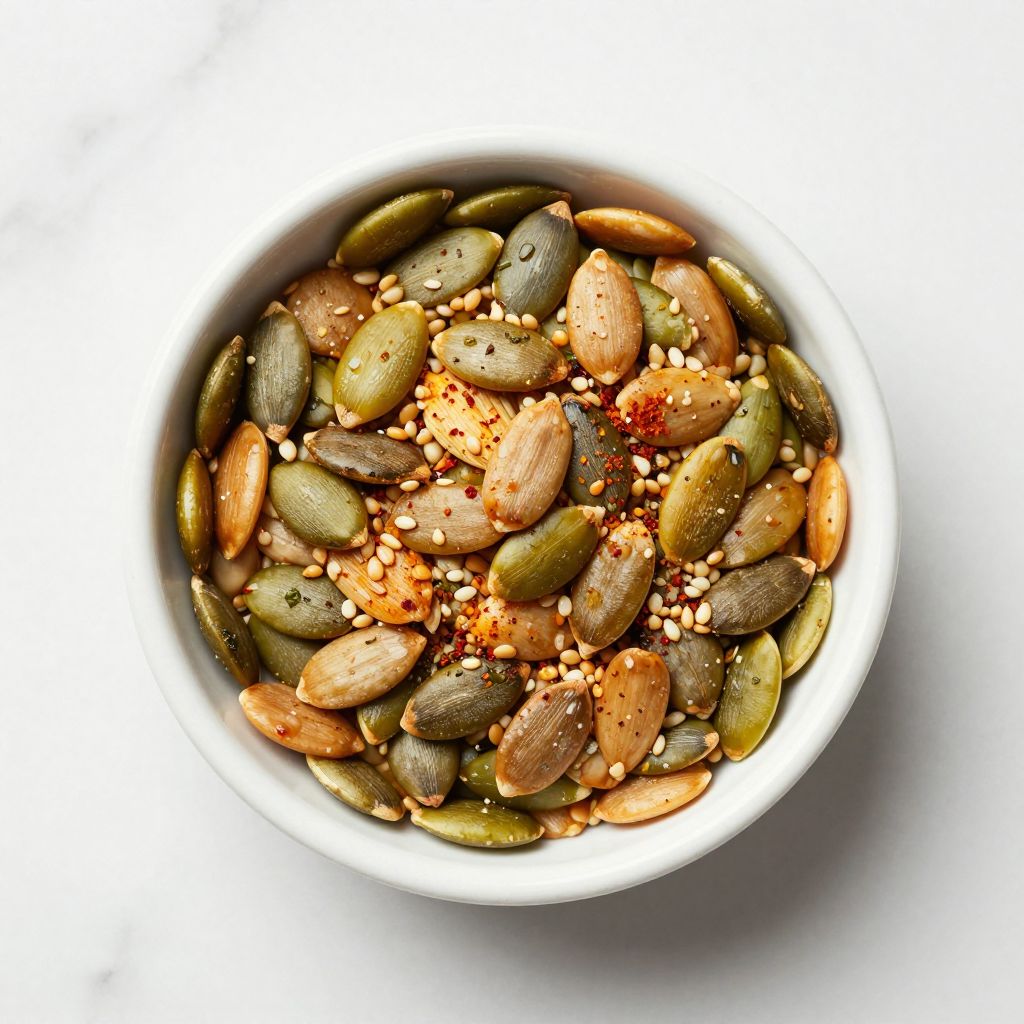
Bariatric Seed Recipe
Ingredients
Equipment
Method
- Preheat the oven to 325°F (165°C).
- Line a baking sheet with parchment paper to prevent sticking.
- Combine pumpkin seeds, sunflower seeds, and sesame seeds in a small mixing bowl.
- Drizzle olive oil over the seeds and stir until every seed is lightly coated.
- Add sea salt, garlic powder, paprika, black pepper, and cayenne pepper (if using). Stir for 2 minutes until seasonings are evenly distributed.
- Spread the seasoned seeds in a single, even layer on the prepared baking sheet.
- Roast for 20–25 minutes, stirring halfway through at the 12-minute mark, until the seeds are fragrant and light golden brown.
- Remove from the oven and allow the seeds to cool on the baking sheet for at least 15 minutes before transferring to airtight containers.