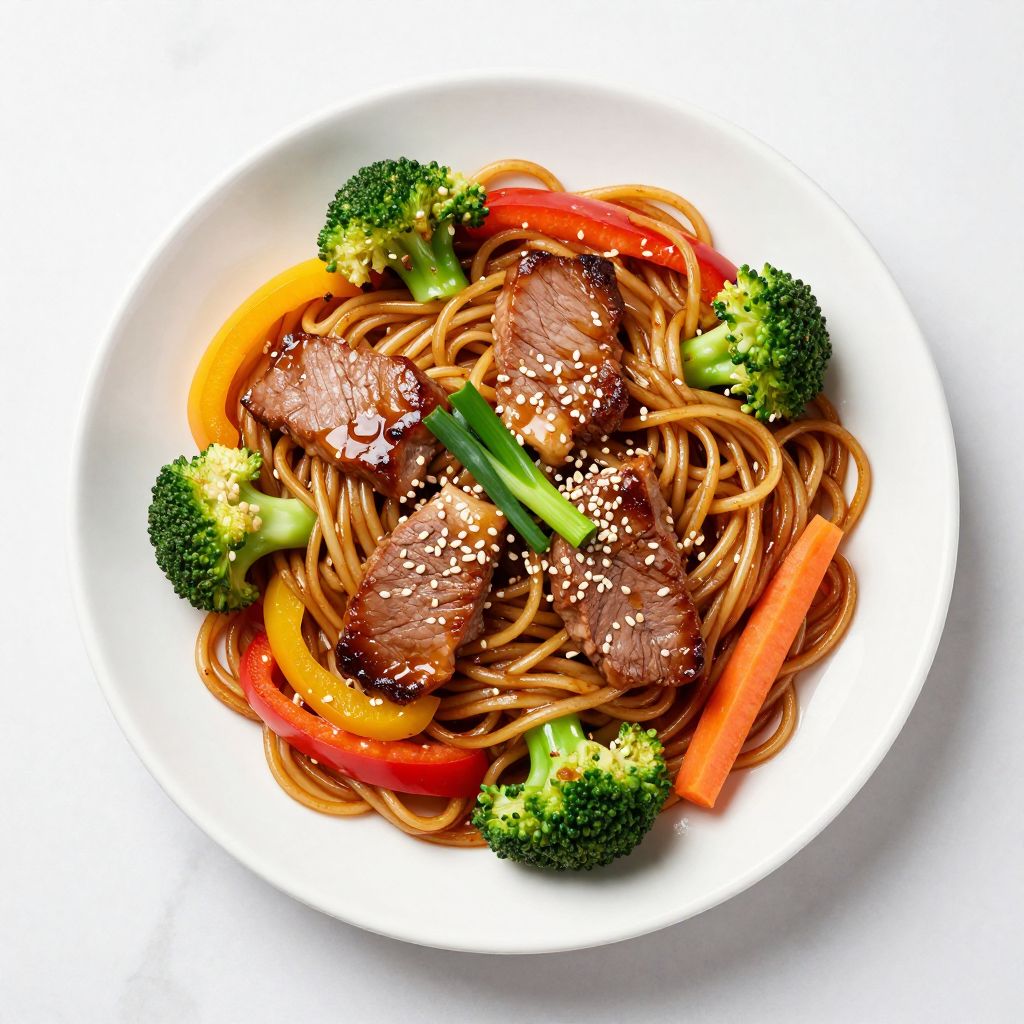
Beef lo mein is a restaurant-quality noodle dish that comes together in minutes with tender beef, chewy noodles, and a savory sauce that coats every bite. This recipe delivers authentic wok-style flavor without requiring special equipment or hard-to-find ingredients.
Once you master this technique, you’ll stop ordering takeout and make it at home instead. Let me walk you through everything you need to know to create this crowd-pleasing favorite.
Why You’ll Love This Recipe
Beef lo mein hits that sweet spot between weeknight simplicity and restaurant-quality results.
- Ready in under 30 minutes from start to finish
- Uses affordable pantry staples and common vegetables
- Customizable with your favorite vegetables and protein amounts
- Leftovers taste just as good the next day
- Impresses dinner guests without hours of prep work
My Experience Making This Recipe
I first made beef lo mein because my kids were tired of the same pasta every week. After a few attempts, I realized the key was high heat and constant movement in the wok.
The aroma that fills your kitchen when the beef hits the hot wok and the noodles get tossed with that glossy sauce is absolutely incredible. My family now requests this at least twice a month, and I’ve stopped feeling guilty about not making “real dinner.”
The best part happens when everyone gathers around the table and the noodles disappear in minutes. Watching people actually enjoy what you cooked beats any takeout container ever could.
Recipe Overview
- Recipe Name: Beef Lo Mein
- Servings: 4
- Prep Time: 15 minutes
- Cook Time: 12 minutes
- Total Time: 27 minutes
- Course: Main Dish
- Cuisine: Chinese
- Calories per Serving: 520
Equipment You Will Need
- Large wok or wide skillet
- Wooden spoon or wok spatula
- Cutting board and sharp knife
- Measuring spoons and cups
- Small bowl for sauce mixture
- Large pot for boiling noodles
- Colander for draining noodles
- Tongs for handling noodles
Ingredients for Beef Lo Mein
For the Noodles and Beef
- Lo mein noodles or egg noodles, 1 pound
- Beef flank steak, 1 pound, thinly sliced
- Vegetable oil, 3 tablespoons divided
- Garlic cloves, 4, minced
- Fresh ginger, 1 tablespoon, minced
For the Vegetables
- Bell peppers, 2 medium, sliced into strips
- Broccoli florets, 2 cups
- Carrots, 1 cup, cut into thin matchsticks
- Green onions, 4, cut into 2-inch pieces
For the Sauce
- Soy sauce, 1/4 cup
- Oyster sauce, 3 tablespoons
- Sesame oil, 1 tablespoon
- Beef broth, 1/4 cup
- Cornstarch, 1 tablespoon
- Water, 2 tablespoons
Ingredient Notes and Substitutions
- Lo mein noodles: These chewy wheat noodles absorb sauce beautifully and provide the authentic texture. You can substitute with ramen noodles or spaghetti if lo mein isn’t available, though the chew will be slightly different.
- Flank steak: This cut is lean, affordable, and becomes tender when sliced thin against the grain. Sirloin, skirt steak, or even chicken breast works well if you prefer something milder or lighter.
- Oyster sauce: This umami-packed ingredient adds depth that soy sauce alone cannot provide. If you don’t have it, increase soy sauce to 1/3 cup and add 1 tablespoon of Worcestershire sauce for complexity.
- Sesame oil: The nutty aroma and flavor are signature to this dish. Avoid cooking with it at high heat, which is why we add it only at the end. You can reduce or omit it if you’re sensitive to strong flavors.
- Broccoli: This vegetable holds its texture well during high-heat cooking. Snap peas, bok choy, or mushrooms work great as replacements.
How to Make Beef Lo Mein
Step 1: Prepare Your Ingredients
Slice your beef flank steak as thin as possible against the grain, which breaks down the muscle fibers and makes the meat tender. Mince your garlic and ginger, slice your peppers into strips, cut your carrots into matchsticks, and measure out all your sauce ingredients before you start cooking.
Having everything prepped and ready is non-negotiable when cooking at high heat, since you won’t have time to chop once the wok gets hot. This prep step takes most of the 15-minute prep time but prevents chaos and burnt garlic later.
Step 2: Cook the Noodles
Bring a large pot of salted water to a rolling boil and cook your lo mein noodles according to package directions, usually 4 to 5 minutes. The noodles should be tender but still have a slight chew, not mushy.
Drain them in a colander and toss lightly with a splash of oil to prevent sticking. Set them aside in a large bowl.
Step 3: Make the Sauce
Whisk together soy sauce, oyster sauce, sesame oil, beef broth, cornstarch, and water in a small bowl until the cornstarch fully dissolves. This mixture will thicken as it cooks and coat every noodle evenly.
Set the sauce nearby where you can grab it quickly during cooking. The cornstarch needs to be fully dissolved or you’ll get lumps in your sauce instead of a silky coating.
Step 4: Heat Your Wok
Place your wok or large skillet over high heat and let it get smoking hot for about 2 minutes. This is crucial because high heat creates that restaurant-quality sear on the beef and prevents the noodles from sticking.
If your wok is cold when the beef hits it, the meat will steam instead of sear, and you’ll lose that caramelized flavor. A properly heated wok makes the entire difference.
Step 5: Cook the Beef
Add 1.5 tablespoons of oil to the hot wok and let it shimmer for 10 seconds. Working in two batches to avoid crowding the pan, add your beef slices and let them sear without moving for 60 to 90 seconds on each side.
Once the beef develops a brown crust and reaches your desired doneness, transfer it to a clean plate. Crowding the wok lowers the temperature and causes steaming instead of searing, so resist the urge to cook everything at once.
Step 6: Cook the Harder Vegetables
Add the remaining 1.5 tablespoons of oil to the wok and add your broccoli florets and carrots. Stir-fry for 3 to 4 minutes until the vegetables begin to soften but still have a slight crunch.
High heat can make vegetables cook unevenly, so keep them moving constantly. The goal is tender-crisp, not mushy.
Step 7: Add Aromatics and Remaining Vegetables
Push the vegetables to the side of the wok and add your minced garlic and ginger to the empty space. Let them toast for about 30 seconds until fragrant, then add your bell pepper strips and green onions.
Toss everything together and cook for another 2 minutes. The garlic and ginger will perfume the entire dish, and you want their flavor distributed throughout.
Step 8: Combine Everything and Sauce
Add your cooked noodles and the beef back to the wok with all the vegetables. Pour the sauce over the top and toss everything continuously for 2 to 3 minutes, making sure the sauce coats every noodle and piece of meat.
The cornstarch will thicken the sauce as it heats, creating that glossy coating you see in restaurants. If the sauce looks too thin, let it cook for another 30 seconds to thicken further.
Pro Tip: Don’t add the sauce until all ingredients are in the wok together, or the noodles will absorb it unevenly and some bites will be dry while others are overly saucy.
Tips for the Best Beef Lo Mein
- Slice your beef against the grain into pieces about 1/8-inch thick, which maximizes tenderness. Partially freezing the meat for 20 minutes makes slicing easier and cleaner.
- Don’t skimp on the oil or wok temperature. Your wok should be hot enough that oil shimmers and moves like water within seconds of hitting the pan.
- Cook vegetables in order of how long they take to soften, adding quick-cooking items like green onions last. This prevents overcooked broccoli while keeping everything hot.
- Taste the dish before serving and adjust seasoning with extra soy sauce or a pinch of white pepper. Every brand of sauce tastes slightly different, so yours might need tweaking.
- If your kitchen doesn’t handle smoke well, crack a window open before you start and use your best ventilation setting. High-heat cooking in a wok creates smoke, which is completely normal.
- Make this recipe in smaller batches if you’re cooking for more than 4 people, rather than overcrowding your wok. Crowding lowers the heat and ruins the texture.
Common Mistakes to Avoid
- Overcrowding the wok with beef causes steaming instead of searing, resulting in gray, tough meat instead of caramelized, tender slices. Cook in batches no matter how impatient you feel.
- Oversaucing the noodles makes them soggy and one-dimensional in flavor. Add sauce gradually and stop when every noodle glistens without pooling liquid at the bottom.
- Using cold ingredients with a hot wok causes the temperature to drop and steam everything instead of sear it. Have everything prepped and at room temperature before you start cooking.
- Cooking the noodles until they’re mushy instead of tender-chewy destroys the whole dish. Set a timer and taste them a minute before the package directions say they’re done.
- Skipping the cornstarch in the sauce leaves you with a thin, watery coating that slides off the noodles. The cornstarch is what creates that signature glossy, clinging sauce.
Serving Suggestions
Beef lo mein is filling enough to stand alone, but a few simple additions make it feel like a restaurant meal. Serve it hot right out of the wok while the noodles are at their best texture.
- Steamed dumplings or spring rolls alongside the lo mein create an authentic Chinese takeout spread
- A crisp cucumber salad with rice vinegar and sesame oil balances the richness of the noodles
- Sriracha or chili flakes on the side let diners adjust heat to their preference
- Sliced green onions and toasted sesame seeds sprinkled on top add visual appeal and fresh flavor
- Jasmine or fried rice as a side dish rounds out the meal for heartier appetites
Variations to Try
- Shrimp Lo Mein: Swap the beef for 1 pound of large shrimp and reduce the cooking time by half. Shrimp cooks so quickly that it needs only 1 to 2 minutes per side, so add it after the vegetables.
- Vegetable Lo Mein: Skip the beef entirely and add tofu cubes or cashews instead for protein and texture. This version comes together even faster and pleases vegetarians without feeling like a compromise.
- Spicy Szechuan Style: Add 1 to 2 tablespoons of chili paste to the sauce and include 1/2 teaspoon of Szechuan peppercorns for numbing heat. This version has serious kick and complexity.
- Brown Sugar Glazed: Replace half the soy sauce with brown sugar and add a splash of rice vinegar for a slightly sweet, tangy version. This works beautifully with chicken instead of beef.
- Peanut Lo Mein: Stir in 3 tablespoons of peanut butter and reduce soy sauce to 3 tablespoons, adding a touch more broth. Top with crushed peanuts and cilantro for a Southeast Asian twist.
Dietary Adaptations
- Gluten-Free: Use tamari instead of regular soy sauce and swap lo mein noodles for gluten-free rice noodles or pasta. The flavor stays nearly identical, though the texture of rice noodles is slightly softer.
- Dairy-Free: This recipe contains no dairy, so it’s naturally dairy-free without any modifications needed. Just double-check that your oyster sauce doesn’t contain unexpected additives.
- Vegan: Replace beef with extra-firm tofu cubes or mushrooms, and swap oyster sauce for mushroom-based sauce or miso paste. Use vegetable broth instead of beef broth for a fully plant-based version.
- Low-Carb/Keto: Swap noodles for zucchini noodles or cauliflower rice and reduce the sauce amount by half. The result is lighter and lower in carbs, though you lose the chewy noodle texture.
Storage and Reheating
Refrigerator
Beef lo mein keeps well in an airtight container for up to 3 days. The noodles will firm up slightly as they cool, which actually prevents them from becoming mushy when reheated.
- Store the dish separately from any extra sauce to prevent sogginess
- Keep vegetables and meat together with the noodles for even reheating
- Don’t refrigerate the dish while it’s still steaming hot, or condensation will make noodles soggy
Freezer
You can freeze beef lo mein for up to 2 months, though the texture of the vegetables will soften slightly upon thawing. Freeze it in a flat layer in a freezer bag to save space and allow faster thawing.
- Thaw in the refrigerator overnight for best results
- Consider freezing sauce separately and adding fresh vegetables when reheating for optimal texture
Reheating
Reheat in a wok over medium-high heat with a splash of water or broth to restore moisture, stirring constantly for 3 to 5 minutes. Microwave reheating works but can create hot spots and unevenly heated noodles.
- Add a teaspoon of sesame oil while reheating to restore the fresh-cooked aroma
- If the noodles seem dry, sprinkle a tablespoon of water and cover the wok for a minute to steam them back to tender
Nutrition Information
| Nutrient | Amount |
|---|---|
| Calories | 520 |
| Total Fat | 18g |
| Saturated Fat | 4g |
| Carbohydrates | 58g |
| Fiber | 3g |
| Sugar | 6g |
| Protein | 28g |
| Sodium | 1180mg |
| Cholesterol | 72mg |
These values are approximate and based on standard USDA nutritional data for the listed ingredients. Actual nutrition will vary depending on specific brands and exact portion sizes.
Frequently Asked Questions
Can I use a regular skillet instead of a wok?
Yes, a large skillet works fine, though you’ll lose some of the high-heat searing that makes wok cooking special. The wider, flat surface of a skillet actually makes tossing noodles easier for beginners, so don’t feel like you need a wok.
Can I prep this dish in advance?
You can prep all your ingredients, chop the vegetables, and marinate the beef up to 8 hours ahead, but you must cook it fresh right before eating. Lo mein is best served immediately while the noodles are chewy and hot.
What’s the best way to store leftovers?
Let the dish cool to room temperature, then transfer it to an airtight container and refrigerate for up to 3 days. Store any extra sauce in a separate container so you can adjust wetness when reheating.
Why are my noodles sticking together?
You likely cooked them too much or didn’t toss them with a tiny bit of oil right after draining. Make sure to rinse quickly under hot water, shake well, and coat with a small amount of oil before setting them aside.
Beef Lo Mein
Ingredients
Equipment
Method
- Slice flank steak thinly against the grain, mince garlic and ginger, and prepare all vegetables. Set aside.
- Bring a large pot of salted water to a rolling boil. Cook lo mein noodles 4–5 minutes until tender-chewy, drain in a colander, and toss with a splash of oil to prevent sticking.
- In a small bowl whisk together soy sauce, oyster sauce, sesame oil, beef broth, cornstarch, and water until the cornstarch is fully dissolved. Keep the sauce near the stove.
- Heat a wok over high heat for about 2 minutes until smoking hot. Add 1½ tablespoons vegetable oil and swirl to coat.
- Add half the beef in a single layer; sear 60–90 seconds per side until browned. Remove to a plate and repeat with remaining beef.
- Add remaining 1½ tablespoons oil to the wok. Stir-fry broccoli florets and carrot matchsticks for 3–4 minutes until beginning to soften.
- Push vegetables to the side, add garlic and ginger to the center, and toast 30 seconds until fragrant. Add bell pepper strips and green onions; cook 2 minutes, stirring constantly.
- Return cooked noodles and seared beef to the wok. Pour sauce over everything and toss continuously for 2–3 minutes until the sauce thickens and coats all ingredients.
- Serve immediately while hot, garnished with extra green onions or sesame seeds if desired.