Essiac tea is a legendary herbal blend that has been cherished for generations, combining four powerful botanicals into a single, earthy brew.
This traditional formula brings together burdock root, sheep sorrel, slippery elm, and Turkish rhubarb to create a tea that wellness enthusiasts swear by.
Whether you are seeking a daily wellness ritual or exploring traditional herbal remedies, learning to make essiac tea at home gives you complete control over quality and freshness.
Why You’ll Love This Recipe
Homemade essiac tea offers purity and potency that store-bought versions cannot always guarantee. You know exactly what goes into your cup, and the ritual of preparing it becomes part of the healing experience itself.
- Four potent botanicals work synergistically in one powerful brew
- Simple ingredients sourced from reputable herbal suppliers
- Customizable strength to suit your personal preference
- Cost-effective compared to commercial essiac products
- Creates a meaningful daily wellness practice
My Experience Making This Recipe
The first time I brewed essiac tea, I was struck by how the kitchen filled with an earthy, slightly bitter aroma that felt genuinely medicinal. The deep amber color that emerged as the botanicals steeped reminded me that I was working with real plants, not processed powders.
I started with smaller batches to dial in my preferred strength, and after a few attempts, I landed on ratios that felt perfectly balanced for my daily cup. My friends noticed I actually looked forward to my morning tea ritual rather than rushing through it mindlessly.
The most satisfying part was knowing I could adjust the recipe based on seasonal sourcing and personal wellness goals. Making essiac tea became less about following rules and more about honoring a tradition that actually worked for me.
Recipe Overview
- Recipe Name: Homemade Essiac Tea
- Servings: 32 servings (one 8-ounce cup per serving)
- Prep Time: 15 minutes
- Cook Time: 10 minutes (plus steeping time)
- Total Time: 2 hours (includes steeping)
- Course: Beverages
- Cuisine: Traditional Herbal
- Calories per Serving: 5
Equipment You Will Need
- Large stainless steel pot (8-quart capacity minimum)
- Measuring cups and spoons
- Fine mesh strainer or cheesecloth
- Glass bottles or jars for storage
- Wooden spoon for stirring
- Thermometer (optional but helpful)
- Funnel for bottling
- Labels for dating your batches
Ingredients for Essiac Tea
- Burdock root (dried, cut into small pieces): 1 cup
- Sheep sorrel (dried, chopped): 1/4 cup
- Slippery elm bark (dried, powdered): 1/4 cup
- Turkish rhubarb root (dried, cut into small pieces): 1 tablespoon
- Filtered water: 32 cups (8 quarts)
Ingredient Notes and Substitutions
- Burdock root provides the foundation of this blend and supports overall wellness. If unavailable, dandelion root offers a similar earthy profile, though the final flavor will be slightly less sweet.
- Sheep sorrel brings a unique tangy element that cannot be easily replaced. You may substitute with a small amount of regular garden sorrel, but use only half the quantity since it is more potent.
- Slippery elm bark adds smoothness and a subtle woody note. Marshmallow root works as an alternative, offering comparable texture though less mineral complexity.
- Turkish rhubarb root provides grounding earthiness in minimal quantity. Regular garden rhubarb is not appropriate here; if unavailable, skip it rather than substitute, as the chemistry changes significantly.
- Filtered water prevents mineral interference and ensures clean flavor. Tap water works if filtered water is unavailable, though some mineral content may slightly alter taste.
How to Make Essiac Tea
Step 1: Source High-Quality Botanicals
Begin by purchasing dried botanicals from reputable herbal suppliers who test for purity and potency. The quality of your starting ingredients directly determines the effectiveness and flavor of your finished tea, so never compromise on sourcing.
Step 2: Measure and Prepare Your Herbs
Carefully measure out one cup of burdock root, one-quarter cup of sheep sorrel, one-quarter cup of slippery elm powder, and one tablespoon of Turkish rhubarb root. If your herbs are not yet cut or powdered, do this preparation now using a sharp knife or mortar and pestle to ensure consistent size pieces.
Step 3: Fill Your Pot with Filtered Water
Pour eight quarts of filtered water into your large stainless steel pot and bring it to a gentle boil over medium-high heat. You want the water hot enough to extract the plant compounds efficiently, but not so vigorously boiling that volatile elements escape.
Step 4: Add the Burdock Root First
Once the water reaches a rolling boil, slowly add the one cup of dried burdock root pieces while stirring gently. Burdock requires the longest extraction time, so it goes in first to begin releasing its deep earthiness into the water.
Step 5: Simmer for Ten Minutes
Reduce heat to medium-low and allow the burdock root to simmer for ten minutes, stirring occasionally. This initial simmering step extracts the mineral-rich essence that forms the backbone of authentic essiac tea.
Step 6: Add the Remaining Botanicals
Add the sheep sorrel, slippery elm powder, and Turkish rhubarb root directly to the simmering water, stirring well to distribute them evenly. Each herb will release its unique compounds into the brew, creating the synergistic blend that makes essiac tea special.
Step 7: Steep and Cool the Mixture
Remove the pot from heat immediately and cover it with a clean cloth or lid, allowing the tea to steep for at least one to two hours at room temperature. During this resting period, the herbs fully infuse the water and the flavors deepen and mellow into a harmonious whole.
Step 8: Strain Thoroughly
After steeping, pour the tea through a fine mesh strainer lined with cheesecloth into clean glass bottles, pressing gently on the spent herbs to extract every last bit of liquid. The goal is a clear to slightly cloudy amber liquid free of floating particles.
Step 9: Store and Label Your Batch
Bottle your finished essiac tea in dark glass containers and label each bottle with the date prepared. Store in a cool, dark place or refrigerate immediately to preserve freshness and potency.
Pro Tip: Make a fresh batch every two weeks to ensure maximum potency and prevent spoilage, storing one batch in the refrigerator while preparing the next batch on your schedule.
Tips for the Best Essiac Tea
- Use filtered or spring water rather than tap water, as minerals can interfere with the extraction process and final flavor profile. The purity of your water matters more than you might expect.
- Purchase whole dried botanicals rather than powders when possible, then grind or chop them yourself just before brewing. Fresh-cut herbs release more potent compounds than pre-powdered versions that have oxidized.
- Keep your brewing temperature moderate and never boil the finished tea after the initial burdock simmering step. Excessive heat destroys delicate plant compounds you worked to extract.
- Drink essiac tea consistently at the same time each day, typically in the morning on an empty stomach or evening before bed. Consistency matters more than quantity in herbal wellness practices.
- Keep detailed notes on your brewing process, including exact dates, water amounts, and herb sources. This helps you replicate successful batches and troubleshoot any variations.
- Consider tasting your tea at different steeping intervals during your first batch to find your preferred strength. Some people love it stronger and more mineral-forward, while others prefer milder, more delicate flavor.
Common Mistakes to Avoid
- Over-steeping the finished blend past two hours can create an overly astringent taste and may extract undesirable compounds. Respect the steeping timeframe for optimal results.
- Using low-quality herbs from questionable sources compromises both safety and efficacy. Always source from suppliers with transparent sourcing and third-party testing.
- Substituting or eliminating Turkish rhubarb root dramatically alters the formula’s balance and traditional composition. This tiny amount plays an outsized role in the overall synergy.
- Storing essiac tea in plastic containers allows degradation and leaching of plastic compounds into your tea. Glass containers protect your brew and preserve potency far longer.
- Failing to label your batches by date leads to confusion about freshness and age. Unlabeled bottles sitting in your cabinet become unreliable and potentially unsafe.
Serving Suggestions
Essiac tea tastes best served warm, straight up or with just a touch of honey if you prefer mild sweetness. The traditional approach involves drinking it plain to fully experience the synergistic plant notes without dilution.
- Enjoy a warm cup each morning on an empty stomach for traditional wellness benefits
- Mix with a small amount of fresh lemon juice for added brightness and enhanced mineral absorption
- Blend with raw honey and a pinch of ginger for those who prefer sweeter herbal drinks
- Sip it iced during warm months as a refreshing alternative to hot brewing
- Combine with other supportive herbs like nettle or oat straw for a more comprehensive wellness blend
Variations to Try
- Essiac with Added Nettle: Include one-quarter cup of dried stinging nettle leaf for added minerals and nutritional depth. Nettle complements the blend beautifully without overpowering the original formula.
- Double-Strength Essiac: Use the same herb amounts with only four quarts of water instead of eight quarts. This creates a more concentrated brew that you dilute to taste with hot water each morning.
- Essiac Tea Concentrate: After straining, simmer the finished tea gently on low heat until reduced by half, then bottle it as a concentrate. Mix one ounce of concentrate with seven ounces of hot water for each serving.
- Spiced Essiac Blend: Add one cinnamon stick and three whole cloves during the steeping phase for warmth and additional antioxidants. Remove spices during straining to prevent overpowering the delicate herbal notes.
- Cold-Brew Essiac: Combine all dried herbs in a large jar with eight quarts of cold filtered water and allow to steep for twelve to twenty-four hours without heating. Cold brewing extracts different compounds and creates a smoother, less astringent final product.
Dietary Adaptations
- Gluten-Free: All four primary herbs are naturally gluten-free, making essiac tea safe for celiac disease. Simply verify your sourcing supplier guarantees no cross-contamination during processing.
- Dairy-Free: This recipe contains no dairy products whatsoever. It remains completely dairy-free whether you enjoy it plain or with any of the suggested variations.
- Vegan and Vegetarian: Essiac tea is entirely plant-based and aligns perfectly with both vegan and vegetarian dietary practices. No animal products or byproducts appear in any stage of preparation.
- Low-Carb and Keto: With only five calories per eight-ounce serving and zero carbohydrates, essiac tea fits seamlessly into ketogenic and low-carb lifestyles. It offers herbal wellness support without impacting macronutrient goals.
Storage and Reheating
Refrigerator
Store bottled essiac tea in the coldest part of your refrigerator in dark glass containers to block light exposure. Properly refrigerated essiac tea stays fresh and potent for up to two weeks.
- Keep bottles tightly sealed to prevent oxidation and contamination
- Check for any unusual odor or mold before consuming older batches
- Allow cold tea to reach room temperature or warm gently before drinking if you prefer it hot
Freezer
Essiac tea can be frozen in ice cube trays for long-term storage and easy portioning. Frozen cubes last up to three months and thaw quickly when needed.
- Pour finished tea into silicone ice cube trays and freeze until solid
- Transfer frozen cubes to freezer bags labeled with the preparation date
- Drop one to two cubes into hot water each morning to reconstitute your daily serving
Reheating
Warm refrigerated or frozen essiac tea gently over low heat or in a hot water bath rather than microwaving. Gentle reheating preserves the delicate plant compounds that can degrade with intense direct heat.
- Use a double boiler or place your bottle in a pot of hot water for five to ten minutes
- Never boil reheated tea as this destroys beneficial compounds
- Sip immediately after warming for best flavor and potency
Nutrition Information
| Nutrient | Amount |
|---|---|
| Calories | 5 |
| Total Fat | 0g |
| Saturated Fat | 0g |
| Carbohydrates | 1g |
| Fiber | 0g |
| Sugar | 0g |
| Protein | 0g |
| Sodium | 15mg |
| Cholesterol | 0mg |
These values represent the basic nutritional profile of plain essiac tea without added sweeteners or complementary ingredients. Individual results vary based on steeping time, water quality, and specific herb sourcing, but essiac tea remains a low-calorie beverage suitable for virtually any dietary approach.
Frequently Asked Questions
Can I use fresh herbs instead of dried herbs to make essiac tea?
Fresh herbs contain much higher water content than dried herbs, requiring you to triple or quadruple the quantities while reducing the potency of the final brew. Dried herbs deliver superior concentration and consistency, making them the preferred choice for traditional essiac tea.
How long does it take to see benefits from drinking essiac tea daily?
Herbal wellness practices build gradually over time, with many people reporting noticeable changes after four to six weeks of consistent daily consumption. Individual responses vary widely based on overall health, stress levels, diet, and other lifestyle factors.
Is it safe to drink essiac tea while taking medications?
Essiac tea may interact with certain medications, particularly blood thinners and diabetes medications, so consult your healthcare provider before starting regular consumption. Your doctor can advise whether essiac tea is appropriate for your specific health situation and medication regimen.
Why does my essiac tea taste different each time I brew it?
Variations in steeping time, water temperature, herb sourcing, and individual herb batches all affect the final flavor profile. Keeping detailed notes on your process helps you identify which variables most influence taste and allows you to adjust for consistency.
Can I make essiac tea with a coffee maker or tea infuser?
Essiac tea requires extended simmering and steeping in larger volumes than standard coffee makers accommodate, so traditional pot brewing remains the best method. The lengthy contact time between water and plant material is essential for proper extraction of all four herbs.
What should I do if my essiac tea develops mold or an off smell?
Discard the entire batch immediately, as mold growth indicates bacterial contamination regardless of appearance elsewhere in the container. Always inspect your tea before consumption and trust your senses if something seems wrong.
Can I adjust the herb ratios if I prefer a stronger or milder flavor?
Absolutely, you can modify quantities based on personal preference, though maintain the proportional relationships between the four herbs to preserve the synergistic formula. Start by increasing or decreasing total herb amounts by 10 to 20 percent, then adjust further based on your results.
Final Thoughts
Making essiac tea at home transforms a simple wellness practice into a meaningful daily ritual that reconnects you with herbal tradition. The satisfaction of brewing something potent and pure with your own hands creates a deeper appreciation for plant medicine than purchasing pre-made versions ever could.
Start your first batch this week and pay attention to how you feel after consistent daily consumption. You might be surprised by how something as humble as four botanicals and hot water becomes an essential part of your wellness routine that you genuinely look forward to each morning.
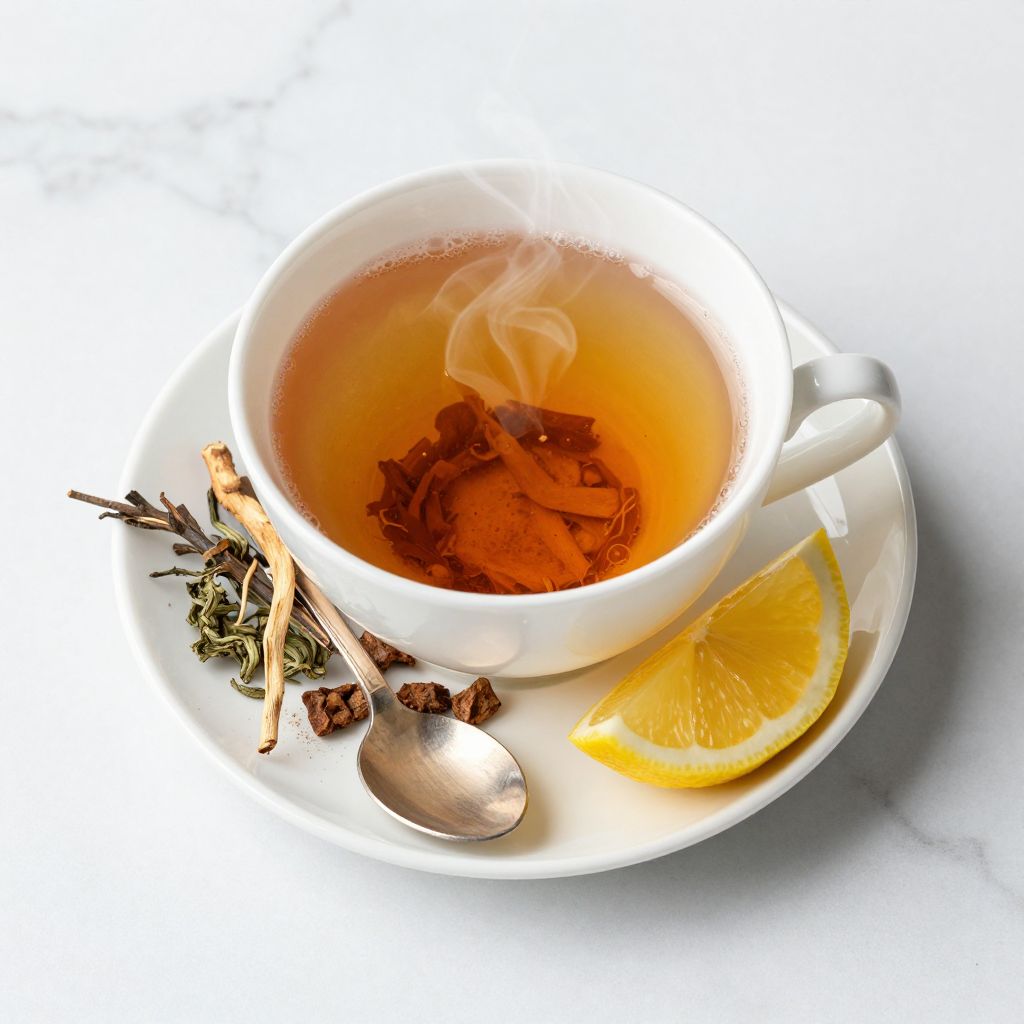
Homemade Essiac Tea
Ingredients
Equipment
Method
- Measure out all dried herbs: 1 cup burdock root, 1/4 cup sheep sorrel, 1/4 cup slippery elm powder, and 1 tablespoon Turkish rhubarb root.
- Pour 32 cups (8 quarts) filtered water into an 8-quart stainless steel pot and bring to a rolling boil over medium-high heat (about 212°F / 100°C).
- Slowly add the burdock root to the boiling water while stirring. Reduce heat to medium-low and simmer, uncovered, for 10 minutes.
- Stir in the sheep sorrel, slippery elm powder, and Turkish rhubarb root until evenly distributed.
- Remove the pot from heat, cover with a lid, and let the tea steep at room temperature for 1–2 hours.
- Line a fine mesh strainer with cheesecloth and strain the tea into clean glass bottles, pressing the herbs to extract all liquid.
- Seal the bottles, label with the preparation date, and refrigerate immediately. The tea keeps for up to 2 weeks when chilled.
- To serve, warm 8 ounces of essiac tea gently over low heat (do not boil) and drink on an empty stomach once daily.