Turkey sausage is a leaner, lighter alternative to traditional pork sausage that doesn’t sacrifice flavor one bit. Made with ground turkey, aromatic spices, and a touch of sage, this recipe delivers savory, herbaceous links that work breakfast, lunch, or dinner.
Whether you’re looking to cut calories or simply want a fresher take on a breakfast classic, homemade turkey sausage beats store-bought every time. Let’s walk through how to make it.
Why You’ll Love This Recipe
Homemade turkey sausage gives you full control over the spice blend, salt content, and meat quality, plus it costs less than most premium brands.
- Significantly leaner than pork sausage with fewer calories and less saturated fat.
- Ready in under 20 minutes when pan-fried, making it perfect for busy mornings.
- Customizable heat level and spice profile to match your taste.
- Makes about 12 patties or links from a single batch.
- Works beautifully in breakfast bowls, pasta dishes, or eaten plain with eggs.
My Experience Making This Recipe
The first time I made turkey sausage at home, I was shocked at how simple the process was. I mixed ground turkey with just a handful of spices in a bowl, shaped patties, and had them sizzling in a skillet within minutes.
The aroma alone had my family gathered in the kitchen asking questions. What surprised me most was the juiciness; many people assume lean turkey sausage is dry, but adding a small amount of olive oil keeps the texture tender and flavorful.
I’ve since made this recipe dozens of times, experimenting with fennel for an Italian twist and even smoked paprika for a deeper flavor. Every batch disappears quickly, and my kids actually ask for it by name.
Recipe Overview
- Recipe Name: Turkey Sausage
- Servings: 12 patties (serves 4 to 6)
- Prep Time: 10 minutes
- Cook Time: 12 minutes
- Total Time: 22 minutes
- Course: Breakfast, Lunch, or Dinner
- Cuisine: American
- Calories per Serving: 95 calories per patty
Equipment You Will Need
- Large mixing bowl
- Wooden spoon or your hands for mixing
- Measuring spoons and cups
- 12-inch skillet or griddle
- Spatula for flipping patties
- Paper towels for draining excess oil
- Meat thermometer (optional but helpful)
- Parchment paper for shaping (optional)
Ingredients for Turkey Sausage
- 1.5 pounds ground turkey (93/7 lean works best)
- 1 teaspoon dried sage
- 0.5 teaspoon garlic powder
- 0.5 teaspoon onion powder
- 0.5 teaspoon black pepper
- 0.5 teaspoon red pepper flakes (optional, for heat)
- 0.75 teaspoon kosher salt
- 0.25 teaspoon ground thyme
- 1 tablespoon olive oil (for cooking)
Ingredient Notes and Substitutions
- Ground Turkey: The backbone of this sausage, turkey is naturally lean and mild, allowing spices to shine. Substitute with ground chicken if needed, though it may be slightly less flavorful.
- Dried Sage: This herb is what makes sausage taste like sausage, delivering an earthy, peppery note. Swap in Italian seasoning or poultry seasoning at the same measurement if sage isn’t on hand.
- Garlic Powder: Adds savory depth without the moisture of fresh garlic, which could make patties fall apart. Fresh minced garlic works but reduce to 0.5 teaspoon and pat the meat dry first.
- Red Pepper Flakes: Brings a gentle heat that builds with each bite. Leave them out for a milder sausage, or double them if you like serious spice.
- Kosher Salt: Draws out the meat’s natural flavors and helps bind the mixture. Table salt works but use slightly less since it’s finer and saltier by volume.
How to Make Turkey Sausage
Step 1: Gather Your Ingredients and Chill the Bowl
Place your mixing bowl in the freezer for 5 minutes before starting. Cold equipment keeps the turkey from warming up during mixing, which helps the sausage stay juicy and prevents the fat from breaking down prematurely.
Step 2: Measure and Combine All Spices
In a small bowl, whisk together the sage, garlic powder, onion powder, black pepper, red pepper flakes, thyme, and salt. Combining spices first ensures even distribution throughout the meat so every patty tastes consistent.
Step 3: Add Turkey to the Chilled Bowl
Transfer the ground turkey to your cold mixing bowl. The cold surface prevents the meat from getting sticky and compacted, which can result in dense, tough patties instead of tender ones.
Step 4: Sprinkle Spices Over the Turkey
Pour your spice mixture over the ground turkey. Sprinkling from above rather than mixing all at once helps distribute the seasonings more evenly before you start combining.
Step 5: Mix Until Just Combined
Gently fold the turkey and spices together with your hands or a spoon until the spices are evenly incorporated and the mixture is homogeneous. Stop mixing the moment everything comes together; overmixing develops the gluten in the meat, making patties tough and dense.
Step 6: Shape into Patties
Divide the mixture into 12 equal portions and gently flatten each into a patty about 0.5 inches thick and 2.5 inches wide. Slightly thinner patties cook more evenly and develop a nice crust without drying out the center.
Step 7: Heat Oil in the Skillet
Place a 12-inch skillet over medium-high heat and add olive oil, allowing it to shimmer for about 1 minute. Hot oil creates a flavorful crust through the Maillard reaction while keeping the inside tender.
Step 8: Cook the Patties
Carefully place patties in the hot skillet, working in two batches to avoid crowding. Cook for 5 to 6 minutes on the first side without moving them, allowing a golden-brown crust to form.
Step 9: Flip and Finish Cooking
Flip each patty and cook for another 5 to 6 minutes until the internal temperature reaches 165 degrees Fahrenheit when measured with a meat thermometer inserted into the thickest patty. The sausage will firm up slightly as it cools, so don’t overcook or it becomes dry.
Step 10: Drain and Rest
Transfer cooked patties to a paper towel-lined plate to absorb any excess oil. Resting for 2 minutes allows the juices to reabsorb into the meat, keeping it moist when you bite into it.
Pro Tip: Don’t skip the olive oil when pan-frying; it’s the secret to keeping lean turkey sausage juicy and preventing it from sticking to the skillet.
Tips for the Best Turkey Sausage
- Use meat that’s at least 93/7 lean, but not so lean that it becomes 99/1; a tiny bit of fat keeps the sausage moist and tender.
- Keep all ingredients and equipment cold before mixing to prevent the fat from separating and the meat from becoming mushy.
- Don’t overwork the mixture; gentle folding takes just 30 seconds and produces far better texture than vigorous stirring.
- Make patties uniform in thickness so they cook at the same rate and don’t have raw or overcooked spots.
- Resist the urge to flip patties multiple times; let them sit undisturbed for the first 5 minutes to develop that beautiful golden crust.
- If batch-cooking, keep finished patties warm in a 200-degree oven rather than reheating them later, which dries them out.
Common Mistakes to Avoid
- Skipping the spice blend and using prepackaged seasoning packets; homemade blends taste fresher and let you control salt content.
- Using ground chicken instead of turkey; chicken is milder and more delicate, often resulting in mushy patties that fall apart.
- Overmixing the meat after adding spices; this develops gluten and creates tough, dense sausage instead of tender links.
- Cooking over too low heat; medium-high is essential to build a flavorful crust before the inside dries out.
- Skipping the oil when pan-frying; lean turkey needs that thin layer of fat to stay juicy and prevent sticking.
Serving Suggestions
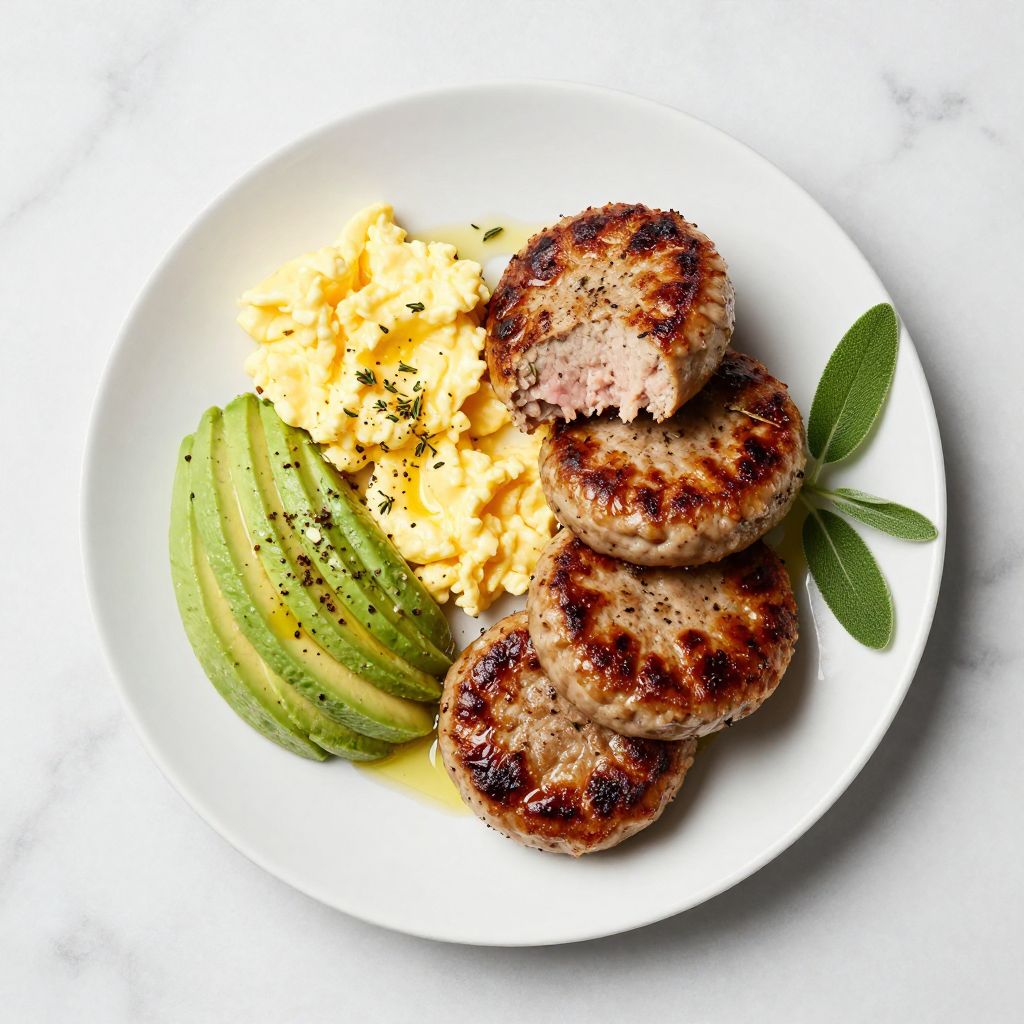
Turkey sausage works beautifully as part of a complete breakfast alongside scrambled eggs and toast, or crumbled into pasta dishes for a protein boost. It’s equally at home in a weekend brunch spread or packed into lunchboxes.
- Serve warm on a platter with poached eggs and avocado toast for a protein-packed breakfast.
- Crumble cooked sausage and toss into pasta with roasted vegetables and a light cream sauce.
- Layer patties in a breakfast sandwich with a fried egg, cheddar, and fresh spinach on whole-grain bread.
- Mix crumbled sausage into grain bowls with roasted sweet potatoes, kale, and tahini dressing.
- Serve cold or at room temperature on a charcuterie board with cheese, olives, and crackers for an unexpected appetizer.
Variations to Try
- Italian Sausage: Add 0.5 teaspoon fennel seed, 0.25 teaspoon crushed red pepper, and 0.25 teaspoon oregano for a more robust, slightly spicy Italian profile.
- Breakfast Sausage: Skip the thyme and increase sage to 1.5 teaspoons, then add 0.25 teaspoon maple extract for a subtly sweet morning version.
- Smoked Sausage: Replace black pepper with 0.75 teaspoon smoked paprika and add 0.25 teaspoon liquid smoke for a campfire-style depth.
- Apple and Sage: Finely mince 0.25 cup fresh apple and fold it in with the spices for a slightly sweet, tender texture and subtle fruit sweetness.
- Spicy Chorizo Style: Double the red pepper flakes, add 0.5 teaspoon cumin and 0.25 teaspoon chili powder for a boldly spiced, Spanish-inspired version.
Dietary Adaptations
- Gluten-Free: This recipe is naturally gluten-free as written; just confirm your spice blends and any additions like liquid smoke are certified gluten-free.
- Dairy-Free: The base recipe contains no dairy, making it dairy-free already; serve with dairy-free sides if desired.
- Vegan or Vegetarian: Replace turkey with crumbled firm tofu or a plant-based ground meat substitute, though texture and browning may differ slightly.
- Low-Carb or Keto: This recipe fits perfectly into low-carb diets with minimal carbohydrates; increase the oil slightly if using very lean turkey to maintain moisture.
Storage and Reheating
Refrigerator
Store cooked patties in an airtight container on a paper towel-lined shelf for up to 4 days. The paper towel absorbs excess moisture and keeps patties from clumping together.
- Reheat in a skillet over medium heat for 2 minutes per side until warmed through.
- Microwave in 20-second intervals wrapped in a damp paper towel to prevent drying.
Freezer
Freeze uncooked patties on a parchment-lined baking sheet for 2 hours, then transfer to a freezer bag for up to 3 months. This prevents them from clumping and allows you to cook just what you need.
- Cook frozen patties directly from the freezer; add 2 to 3 extra minutes per side to the cooking time.
- Thaw overnight in the refrigerator before cooking for more even cooking and better browning.
Reheating
The skillet method is best; microwaving can make turkey sausage slightly rubbery if not watched carefully. Oven reheating at 350 degrees for 5 to 8 minutes also works beautifully.
- Never reheat in the same skillet without adding a touch of oil to prevent sticking.
- Check internal temperature again after reheating to ensure it reaches 165 degrees.
Nutrition Information
| Nutrient | Amount |
|---|---|
| Calories | 95 |
| Total Fat | 5 grams |
| Saturated Fat | 1.2 grams |
| Carbohydrates | 0.5 grams |
| Fiber | 0 grams |
| Sugar | 0 grams |
| Protein | 14 grams |
| Sodium | 210 milligrams |
| Cholesterol | 28 milligrams |
These values are approximate and based on USDA data for ground turkey and standard spice measurements. Actual nutrition varies based on the specific brand of turkey and cooking method used.
Frequently Asked Questions
Can I make turkey sausage without a meat grinder?
Yes, buy pre-ground turkey from your butcher or grocery store. If you want to grind your own, ask the butcher to do it for a small fee or use a food processor to pulse raw turkey chunks until coarse.
How do I know when turkey sausage is fully cooked?
The safest method is using a meat thermometer; insert it into the thickest part of a patty and cook until it reaches 165 degrees Fahrenheit. Visually, cooked sausage will have no pink inside and the juices will run clear.
Can I make turkey sausage links instead of patties?
Absolutely. Stuff the mixture into natural hog casings available at most butchers, then twist into 4-inch links and cook the same way. Links take slightly longer to brown, about 8 to 10 minutes.
Why is my turkey sausage falling apart when I flip it?
The mixture may have been overmixed or the patties not thick enough. Make sure patties are at least 0.5 inches thick and avoid stirring the meat too vigorously when combining spices.
Can I prep the patties the night before?
Yes, shape patties up to 24 hours ahead and refrigerate on a parchment-lined plate under plastic wrap. Cook them straight from the fridge without thawing; add just 1 extra minute per side.
Is turkey sausage healthier than pork sausage?
Turkey sausage is leaner with fewer calories and less saturated fat per serving. However, both can be part of a healthy diet when eaten in moderation and paired with plenty of vegetables.
Final Thoughts
Homemade turkey sausage is one of those recipes that feels fancy but takes almost no skill to master. Once you taste how much fresher and more flavorful it is compared to store-bought, you’ll wonder why you didn’t make it sooner.
Give this recipe a try this weekend, and don’t be shy about adjusting the spices to your taste. Your family might just ask you to make it again next week, and the week after that.
Turkey Sausage
Ingredients
Equipment
Method
- Chill a large mixing bowl in the freezer for 5 minutes to keep the meat cold.
- In a small dish, whisk together sage, garlic powder, onion powder, black pepper, red pepper flakes, thyme, and kosher salt.
- Add ground turkey to the chilled bowl and sprinkle the spice blend evenly over the meat.
- Gently fold the turkey and spices with a wooden spoon or your hands until just combined; do not overmix.
- Divide the mixture into 12 equal portions and shape each into a 0.5-inch-thick patty about 2.5 inches wide.
- Heat a 12-inch skillet over medium-high heat and add the olive oil; let it shimmer for 1 minute.
- Place patties in the skillet without crowding; cook for 5–6 minutes on the first side until a golden crust forms.
- Flip each patty and cook an additional 5–6 minutes, or until the internal temperature reaches 165 °F.
- Transfer cooked patties to a paper-towel-lined plate and rest for 2 minutes to allow juices to redistribute.
- Serve hot, or cool and store according to preference.