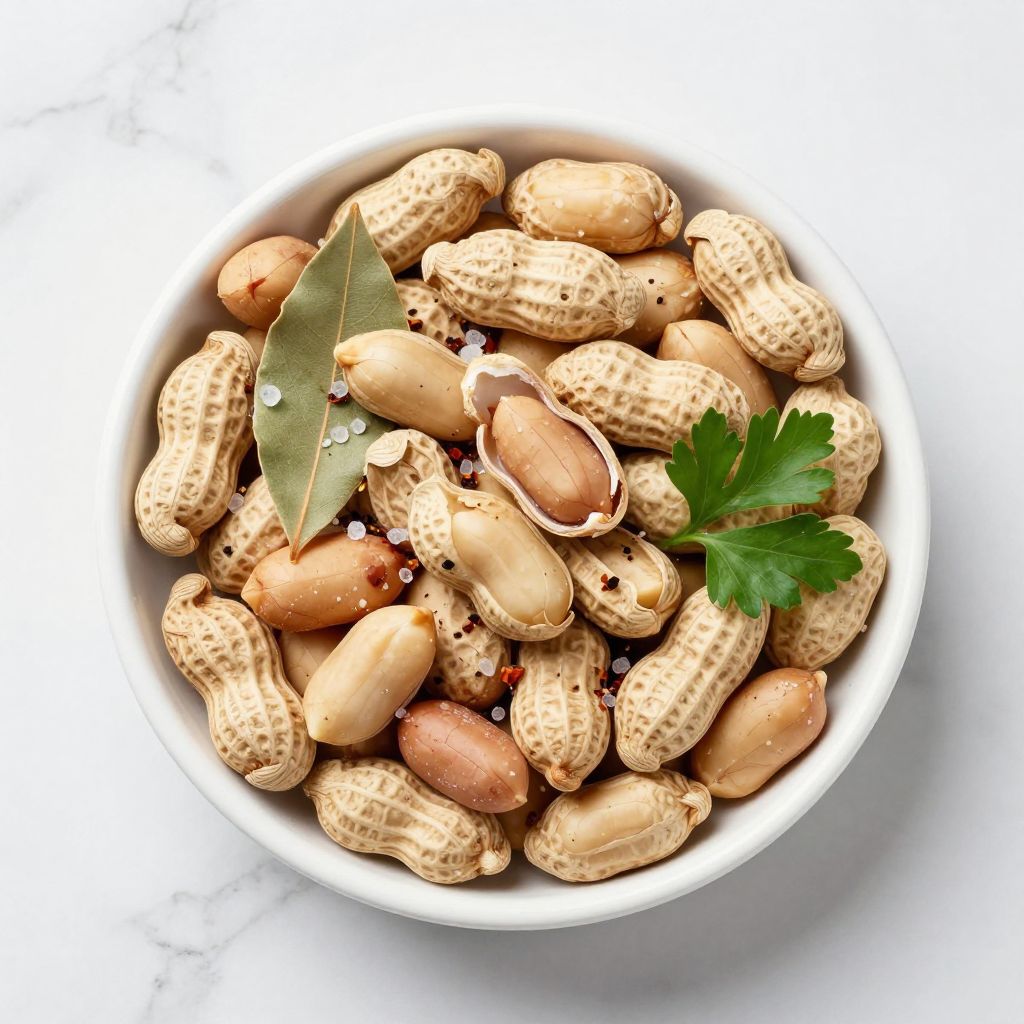
Boiled peanuts are a beloved Southern snack that transforms raw peanuts into tender, salty bites packed with flavor. These legumes soften during hours of simmering in saltwater, creating a uniquely addictive treat that’s nothing like roasted peanuts.
If you’ve never tried them, you’re missing out on one of the South’s best-kept snacking secrets. Let me show you how to make them at home.
Why You’ll Love This Recipe
Boiled peanuts deliver a completely different experience from any peanut you’ve tasted before.
- Soft, tender texture that melts on your tongue rather than crunching.
- Deeply seasoned throughout, not just on the surface like roasted varieties.
- Ridiculously affordable to make at home compared to buying them pre-cooked.
- Endless customization options for heat level, spice profile, and salt intensity.
- A healthy protein snack with no added oils or preservatives when you make them yourself.
My Experience Making This Recipe
The first time I made boiled peanuts, I was skeptical about devoting four hours to cooking legumes. The kitchen smelled like a salty, savory dream within thirty minutes, and I was completely hooked.
My friends came over, tasted one, and immediately started asking where I bought them. When I said I made them, their jaws dropped.
Since then, I’ve made batches regularly, experimenting with Cajun spices, extra garlic, and even a touch of hot sauce. The versatility keeps the recipe from getting boring, and honestly, it’s hard to mess up once you understand the basic technique.
Recipe Overview
- Recipe Name: Boiled Peanuts
- Servings: 8-10 servings
- Prep Time: 10 minutes
- Cook Time: 4-5 hours
- Total Time: 4 hours 15 minutes
- Course: Snack
- Cuisine: Southern American
- Calories per Serving: 180
Equipment You Will Need
- Large stockpot (at least 8-quart capacity)
- Colander
- Measuring spoons and cups
- Wooden spoon for stirring
- Slotted spoon for testing doneness
- Kitchen timer
- Airtight containers for storage
Ingredients for Boiled Peanuts
- 2 pounds raw peanuts (in-shell, not roasted)
- 8 quarts water
- 1/2 cup kosher salt
- 2 tablespoons Old Bay seasoning (optional but recommended)
- 1 tablespoon garlic powder
- 2 teaspoons black pepper
- 1 teaspoon cayenne pepper (optional, for heat)
- 4 dried bay leaves
Ingredient Notes and Substitutions
- Raw peanuts: You need raw, unroasted peanuts still in the shell to achieve the proper soft texture during boiling. Roasted peanuts will become mushy and fall apart. If you cannot find raw peanuts locally, order them online from reputable spice and nut suppliers.
- Kosher salt: Kosher salt dissolves evenly and seasons thoroughly without adding iodine flavor. Table salt works in a pinch, but use 25 percent less since it’s denser and saltier by volume.
- Old Bay seasoning: This classic blend brings complexity and mimics traditional boiled peanut flavor from the Carolinas. Substitute with a Cajun seasoning blend or crawfish boil seasoning for a different regional twist.
- Garlic powder: Garlic powder seasons the cooking liquid evenly throughout without adding moisture. Fresh minced garlic loses potency during the long cook time, so stick with powder.
- Bay leaves: Bay leaves add subtle earthy notes that round out the salty profile. Omit them entirely if you prefer a more straightforward salty peanut flavor.
How to Make Boiled Peanuts
Step 1: Rinse and Inspect Your Peanuts
Dump your raw peanuts into a large colander and rinse them under cold running water, rubbing them with your hands to remove dirt and debris. Discard any damaged shells, moldy peanuts, or floating peanuts that indicate hollowness inside.
Step 2: Fill Your Stockpot With Water
Pour 8 quarts of water into your largest stockpot and bring it to a rolling boil over high heat. The large water volume ensures even heat distribution and prevents the peanuts from clumping together as they soften.
Step 3: Add Salt and Seasonings
Stir in the kosher salt, Old Bay seasoning, garlic powder, black pepper, cayenne if using, and bay leaves into the boiling water. Mix thoroughly to dissolve the salt and distribute the seasonings evenly throughout the liquid.
Step 4: Add the Peanuts
Pour your rinsed peanuts into the boiling seasoned water and stir well to submerge them as much as possible. Some peanuts float initially, but they’ll sink as they absorb water and soften.
Step 5: Bring Back to a Boil
Increase the heat to high and bring the water back to a full rolling boil, which typically takes 5 to 10 minutes. Once it reaches a boil, reduce the heat to medium-low to maintain a gentle but steady simmer.
Step 6: Simmer for Four to Five Hours
Let the peanuts simmer gently for at least four hours, though five is even better for maximum tenderness and flavor absorption. Stir occasionally and add more water if needed to keep the peanuts mostly submerged throughout cooking.
Step 7: Test for Doneness
After four hours, use a slotted spoon to remove a peanut and let it cool for a minute before testing the texture. The shell should be soft enough to pierce easily with a thumbnail, and the interior nut should be tender rather than crunchy.
Step 8: Drain and Cool
Once tender, pour the peanuts into a colander and let them drain completely for several minutes. Spread them on paper towels or a clean kitchen towel to cool to room temperature, which takes about 30 minutes.
Pro Tip: Always taste a peanut before draining to confirm they’re done to your preference, since cooking time varies based on peanut size and freshness.
Tips for the Best Boiled Peanuts
- Buy your raw peanuts from specialty spice shops, farmers markets, or online bulk suppliers rather than regular grocery stores, where they’re hard to find. The fresher your starting peanuts, the better your final product.
- Use a slow cooker on low heat for 6 to 8 hours instead of stovetop simmering if you want to free up your stove or prefer a more hands-off approach. The results are equally delicious and the method is more fuel-efficient.
- Save your cooking liquid after draining and store it separately. You can reuse it for one more batch of peanuts, which deepens the flavor since it’s already seasoned.
- Taste the liquid before draining and add more salt or seasonings if it tastes too mild. The peanuts absorb flavor aggressively, so the liquid should taste quite salty.
- Don’t skip the cooling step, as hot peanuts are bland. Cooling allows your taste receptors to register the salt and spice more accurately.
Common Mistakes to Avoid
- Using roasted peanuts instead of raw will result in mushy, falling-apart peanuts with poor texture. Raw peanuts are essential because their firmer structure holds up to hours of cooking.
- Boiling at too high a temperature causes the shells to split and allows water inside, creating mushy interiors. A gentle simmer keeps the shells intact while slowly tenderizing the nut inside.
- Not keeping the peanuts submerged in water causes uneven cooking and dry, hard spots where the peanuts surfaced. Stir occasionally and add water as needed to keep them covered throughout.
- Draining peanuts before they’re fully tender wastes your time and produces a disappointing chewy texture. Always test for soft shells before removing from heat.
- Seasoning only the liquid and not stirring means uneven flavor distribution and some bland peanuts in every batch. Stir the pot occasionally to rotate peanuts through the seasoned liquid.
Serving Suggestions
Boiled peanuts shine as an afternoon snack straight from the container, but they work beautifully in other contexts too. Crack open the shells, pop the tender nuts into your mouth, and enjoy the salty, savory reward.
- Serve cold from the refrigerator as a refreshing snack during hot summer months.
- Pair with ice-cold sweet tea or lemonade for an authentic Southern snacking experience.
- Offer at parties and tailgates where guests can grab a handful and enjoy while mingling.
- Sprinkle shelled peanuts over salads for a tender, briny element that replaces traditional roasted nuts.
- Pack in small containers for road trips, hiking, or any situation requiring a portable protein-rich snack.
Variations to Try
- Cajun Boiled Peanuts: Replace Old Bay with equal amounts of Cajun seasoning and add sliced jalapeños to the cooking water. This version delivers spicier, more intense heat with a Louisiana flavor profile.
- Garlic and Herb Peanuts: Add 6 minced garlic cloves, 2 tablespoons of dried Italian herbs, and the juice of one lemon to your cooking liquid. Fresh herb flavors brighten the dish and work particularly well for people who find plain boiled peanuts too heavy.
- Hot and Spicy Version: Increase cayenne to 2 tablespoons, add 1 tablespoon of hot sauce to the cooking liquid, and include sliced fresh Thai chilies. This version appeals to heat lovers and pairs beautifully with cold beer.
- Dill Pickle Peanuts: Add 3 tablespoons of dill, 1 tablespoon of pickle juice, and 1 teaspoon of celery seed to mimic dill pickle flavors. This surprising variation fascinates pickle enthusiasts and creates a uniquely tangy snack.
- Smoked Paprika and Cumin: Substitute 2 tablespoons of smoked paprika and 1 tablespoon of ground cumin for the Old Bay for a warmer, earthier flavor profile. This version works wonderfully in Tex-Mex inspired appetizer spreads.
Dietary Adaptations
- Gluten-Free: This recipe is naturally gluten-free as written, since no flour or gluten-containing ingredients appear in the ingredient list. Simply verify your spice blends contain no hidden gluten additives.
- Dairy-Free: The recipe contains no dairy products, making it automatically dairy-free and safe for those with lactose intolerance. The entire dish relies on salt, spices, and the natural peanut flavor.
- Vegan and Vegetarian: Boiled peanuts are completely plant-based and work perfectly for vegans and vegetarians seeking a protein-rich snack. All ingredients are derived from plants, so no modifications are needed.
- Low-Carb and Keto: At roughly 6 grams of net carbs per serving, boiled peanuts fit within most keto macros as an occasional snack. However, they’re higher in carbs than other keto-friendly nuts, so track portions accordingly in your daily counts.
Storage and Reheating
Refrigerator
Store cooled boiled peanuts in airtight containers with a bit of their cooking liquid to keep them moist and flavorful. They last up to two weeks in the refrigerator.
- Keep peanuts submerged in a small amount of cooking liquid for maximum freshness.
- Drain before eating if you prefer less salty peanuts after a few days of storage.
Freezer
Boiled peanuts freeze beautifully for longer storage without losing texture or flavor quality. They keep for up to three months in the freezer when properly sealed.
- Freeze in single-layer portions in freezer bags for easy thawing and portion control.
- Include a small amount of cooking liquid in the bag to prevent freezer burn.
Reheating
Thaw frozen peanuts in the refrigerator overnight, then warm gently on the stovetop or in the microwave if you prefer them hot. Room temperature or cold straight from the fridge is perfectly acceptable and arguably more traditional.
- Warm in a saucepan over medium-low heat for 5 to 10 minutes with a splash of cooking liquid.
- Microwave individual portions in a covered container for 1 to 2 minutes if reheating quickly.
Nutrition Information
| Nutrient | Amount |
|---|---|
| Calories | 180 |
| Total Fat | 14g |
| Saturated Fat | 2g |
| Carbohydrates | 6g |
| Fiber | 3g |
| Sugar | 1g |
| Protein | 9g |
| Sodium | 890mg |
| Cholesterol | 0mg |
Nutrition values are approximate and based on standard ingredients listed in the recipe. Exact values vary based on salt absorption during cooking and specific brand variations of seasonings used.
Frequently Asked Questions
Can I use canned or frozen peanuts?
Canned peanuts are already cooked and will turn to mush if boiled further. Frozen raw peanuts work well if thawed first, though freshly purchased raw peanuts deliver the best texture and flavor.
How do I know when boiled peanuts are perfectly done?
The shell should be soft enough to pierce with a light thumbnail pressure, and the inside nut should be tender without any crunchiness. Taste a few from different areas of the pot to ensure even cooking.
What if my boiled peanuts taste too salty?
You can soak finished peanuts in fresh water for 15 to 30 minutes to reduce salt content. Alternatively, make the next batch with slightly less salt adjusted to your preference.
Can I speed up the cooking process?
Pressure cookers reduce cooking time to 45 minutes to one hour, though the flavor development is slightly different from traditional long-simmering. Instant Pots and other pressure cookers work well if you follow the manufacturer’s instructions for legumes.
Why are my boiled peanuts mushy inside?
Overly high cooking temperature or cooking for too long causes the interior nut to become mushy. Reduce heat to maintain a gentle simmer and start checking for doneness at the four-hour mark rather than cooking the full five hours.
Final Thoughts
Making boiled peanuts at home transforms your snacking experience and proves that simple ingredients and patience create extraordinary flavors. Once you taste homemade boiled peanuts, the store-bought versions feel pedestrian by comparison.
Give this recipe a shot this week, experiment with your favorite spice combinations, and share them with friends who’ve never experienced this Southern staple. I guarantee they’ll ask you for the recipe immediately after the first bite.
Boiled Peanuts
Ingredients
Equipment
Method
- Rinse 2 lb raw peanuts under cold running water in a colander, discarding any damaged or floating peanuts.
- Pour 8 qt water into an 8-quart stockpot and bring to a rolling boil over high heat, about 10 minutes.
- Stir in 1/2 cup kosher salt, 2 tbsp Old Bay, 1 tbsp garlic powder, 2 tsp black pepper, 1 tsp cayenne (if using), and 4 bay leaves until the salt dissolves.
- Add the rinsed peanuts, stir to submerge, and return the pot to a boil.
- Reduce heat to medium-low and simmer gently for 4–5 hours, stirring every 30 minutes and adding hot water as needed to keep peanuts submerged.
- Begin testing at the 4-hour mark: remove a peanut with a slotted spoon, cool 1 minute, and taste. Shell should be soft and the nut tender.
- When desired tenderness is reached, drain peanuts in a colander and let cool 30 minutes before serving warm or at room temperature.