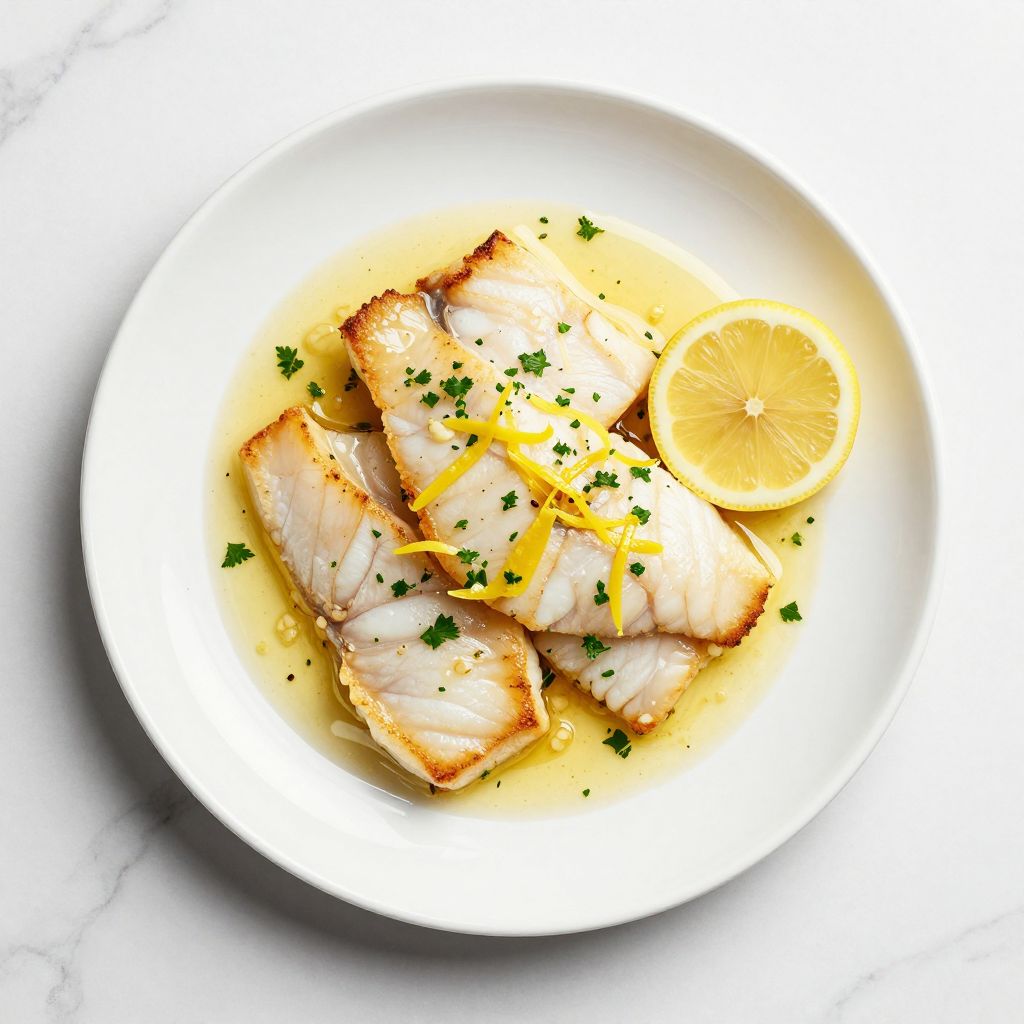
Haddock is one of those magical white fish that cooks in minutes and tastes restaurant-quality at home. This mild, flaky fish pairs beautifully with butter, lemon, and simple seasonings, making it perfect for weeknight dinners or impressing guests.
Whether you pan-sear, bake, or poach your haddock, the key is respecting the fish and not overcooking it. Let me walk you through my favorite method that delivers tender, moist fillets every single time.
Why You’ll Love This Recipe
Haddock delivers incredible flavor with minimal fuss, and this recipe proves that good food doesn’t require hours in the kitchen. You’ll have dinner on the table in under 20 minutes flat.
- Cooks in 12 to 15 minutes from start to finish
- Uses just six simple ingredients for maximum impact
- Works perfectly for meal prep and stays moist when reheated properly
- Impressive enough for entertaining yet easy enough for everyday cooking
- High in protein and omega-3 fatty acids for a healthy meal
My Experience Making This Recipe
I first fell in love with haddock at a small seafood restaurant in Boston, where they served it with nothing but brown butter and capers. I went home determined to recreate that simplicity, and after a few attempts, I nailed it.
The magic happens when you let the fish shine without overwhelming it with heavy sauces. When my family takes their first bite, they’re always shocked that something this good came from their own kitchen.
Now I make this recipe at least twice a month because it checks every box: fast, delicious, nutritious, and foolproof. Your guests will swear you’ve been taking secret cooking classes.
Recipe Overview
- Recipe Name: Pan-Seared Haddock with Lemon Butter
- Servings: 4
- Prep Time: 10 minutes
- Cook Time: 12 minutes
- Total Time: 22 minutes
- Course: Main Course
- Cuisine: American/Seafood
- Calories per Serving: 280
Equipment You Will Need
- 12-inch stainless steel or cast iron skillet
- Paper towels
- Shallow dish for seasoning
- Microplane zester (optional but recommended)
- Tongs or fish spatula
- Instant-read thermometer
- Small saucepan for the sauce
Ingredients for Pan-Seared Haddock with Lemon Butter
- 4 haddock fillets (5 to 6 ounces each, about 1 inch thick)
- Sea salt (1 teaspoon)
- Black pepper (1/2 teaspoon, freshly ground)
- All-purpose flour (1/4 cup for dredging)
- Unsalted butter (4 tablespoons, divided)
- Fresh lemon (1 large, for juice and zest)
- Garlic (2 cloves, minced, optional)
- Fresh parsley (2 tablespoons, chopped, for garnish)
Ingredient Notes and Substitutions
- Haddock fillets: This fish has a delicate, mild flavor and flakes beautifully when cooked properly. If haddock isn’t available, use cod, halibut, or flounder as direct substitutes with similar cooking times.
- Sea salt: Sea salt dissolves faster and tastes cleaner than table salt. Kosher salt works equally well and tastes almost identical.
- All-purpose flour: The light coating creates a subtle crust that locks in moisture and adds textural contrast. Cornstarch works as a substitute and produces an even crispier exterior.
- Unsalted butter: Unsalted butter gives you complete control over the salt level in your dish. Salted butter works fine, but reduce the added salt to 1/2 teaspoon.
- Fresh lemon: Bright acid balances the rich butter and cuts through the fish’s richness. Lime or white wine vinegar work as substitutes, though they’ll shift the flavor profile slightly.
How to Make Pan-Seared Haddock with Lemon Butter
Step 1: Pat the Fish Completely Dry
Remove your haddock fillets from the refrigerator 10 minutes before cooking to bring them close to room temperature. Pat them thoroughly dry with paper towels on both sides, pressing gently but firmly to remove all surface moisture, since water prevents browning and creates steam.
Step 2: Season the Fillets Generously
Sprinkle both sides of each fillet with sea salt and freshly ground black pepper, using about 1/4 teaspoon salt and a pinch of pepper per side. Season just before cooking so the salt doesn’t draw out moisture from the fish.
Step 3: Set Up Your Dredging Station
Pour the flour into a shallow dish and spread it evenly across the bottom. Dredge each fillet lightly on both sides, then shake off any excess flour so you get a thin, even coating rather than a thick crust.
Step 4: Heat Your Skillet and Butter
Place your skillet over medium-high heat and let it get genuinely hot for about 2 minutes, then add 2 tablespoons of butter. Once the butter foams and smells nutty (about 1 minute), you’re ready to cook.
Step 5: Sear the First Side of the Fish
Carefully place the floured fillets in the hot butter, skin-side up, and resist the urge to move them around. Let them sear undisturbed for 4 to 5 minutes until the bottom develops a light golden crust and releases easily from the pan.
Step 6: Flip and Sear the Second Side
Using a fish spatula or tongs, gently flip each fillet and cook for 3 to 4 minutes more on the second side. The fish is done when it flakes easily with a fork and an instant-read thermometer reads 145 degrees Fahrenheit in the thickest part.
Step 7: Remove the Fish and Build the Sauce
Transfer the cooked fillets to a warm plate and tent with foil to keep them warm. Return the skillet to medium heat and add the remaining 2 tablespoons of butter along with minced garlic if using.
Step 8: Create the Lemon Butter Sauce
Let the butter melt and foam for about 30 seconds, then squeeze in the juice from your lemon and add a pinch of salt and pepper. Stir well and taste, adjusting seasoning as needed, then pour the sauce over the fillets and garnish with fresh parsley and lemon zest.
Pro Tip: The moment your fish reaches 145 degrees Fahrenheit, pull it off the heat immediately, because carryover cooking will push it just slightly further and keep it perfectly moist and tender.
Tips for the Best Pan-Seared Haddock with Lemon Butter
- Buy the freshest fish you can find, ideally from a reputable fishmonger, and use it the same day you purchase it. Fresh fish has a mild ocean smell, not an overpowering or ammonia-like one.
- Don’t skip the drying step, as moisture is the enemy of a good sear. Wet fish steams instead of sears, leaving you with pale, sad fillets.
- Keep your heat at medium-high rather than blasting it with high heat, which can brown the outside before cooking the inside. Medium-high gives you control and prevents burning.
- If your fillets are thicker than 1 inch, lower your heat slightly and cook longer to ensure even cooking all the way through without overbrowning the exterior.
- Brown butter is your secret weapon for restaurant-quality flavor, so wait for that nutty aroma before adding your fish. The extra 30 seconds of patience transforms the entire dish.
- Invest in a fish spatula, which has a thin, angled blade that slides under delicate fish without tearing it apart. Your fillets will thank you.
Common Mistakes to Avoid
- Cooking from cold: Fish pulled straight from the fridge cooks unevenly, with the outside overdone while the inside stays cold. Let it sit at room temperature for 10 minutes first.
- Overcooking: Haddock dries out incredibly fast once it hits 150 degrees Fahrenheit, so check it early and often. Better to pull it off a minute too early than a minute too late.
- Using too much flour: A thick coating makes the fish taste heavy and tastes more like fried food than elegant pan-seared fish. Use just enough to create a light golden crust.
- Moving the fish too early: Poking and prodding your fillets before they develop a crust causes them to fall apart and stick to the pan. Be patient and let them build that golden bottom first.
- Skipping the rest time: Pulling fish straight from the fridge and into the hot pan causes carryover cooking to overshoot your target temperature. Those 10 minutes make a real difference.
Serving Suggestions
Serve your haddock hot and fresh from the pan with a squeeze of lemon and some of that incredible brown butter sauce. The simplicity of this fish begs for equally simple, fresh sides that won’t compete with its delicate flavor.
- Roasted asparagus drizzled with olive oil and garlic, finished with flaky sea salt
- Creamy risotto infused with white wine and finished with a touch of butter and Parmesan
- Steamed baby potatoes tossed with fresh dill and a knob of butter
- Mixed green salad with a bright vinaigrette to cut through the richness
- Crusty bread for soaking up every drop of that lemon butter sauce
Variations to Try
- Herb Crusted Haddock: Mix fresh herbs like dill, tarragon, or chives into your flour before dredging the fish, which adds bright, fresh flavors that complement haddock’s mild profile.
- Capers and Brown Butter: Skip the flour entirely and top the cooked fish with a brown butter sauce studded with briny capers and anchovy paste, which creates a more sophisticated flavor.
- Crispy Pan-Fried Style: Use panko breadcrumbs instead of flour for a crunchier exterior that stays crispy even after the fish is plated and sauced.
- Lemon Caper Sauce: Add 2 tablespoons of brined capers and a splash of white wine to your brown butter sauce for additional depth and a briny punch.
- Baked with Tomatoes: Skip the pan-searing entirely and bake your fillets on a bed of heirloom tomatoes, olives, and garlic at 400 degrees Fahrenheit for 12 to 14 minutes for a Mediterranean twist.
Dietary Adaptations
- Gluten-Free: Swap the all-purpose flour for cornstarch or a gluten-free flour blend in a 1:1 ratio. The texture will be equally good and no one will notice the difference.
- Dairy-Free: Replace the butter with a high-quality olive oil or ghee, which handles high heat better and creates a beautiful sauce without any dairy. The flavor shifts but remains delicious.
- Vegan: This recipe is inherently animal-based, but you could substitute haddock with extra-firm tofu pressed and pan-seared the same way, though the texture and flavor will differ completely from the original.
- Low-Carb or Keto: Haddock is naturally low-carb, so this recipe fits perfectly into a keto lifestyle. Simply omit the flour and sear the fish directly in butter for an even richer sauce.
Storage and Reheating
Refrigerator
Store leftover cooked haddock in an airtight container on the coldest shelf of your refrigerator for up to 2 days. The fish will gradually dry out and lose its delicate texture, so eat it sooner rather than later.
- Keep the sauce in a separate container so you can reheat them independently
- Add a squeeze of fresh lemon juice before storing to help preserve freshness
Freezer
Cooked haddock freezes reasonably well for up to 1 month, though the texture becomes slightly less delicate upon thawing. Freeze the fillets and sauce in separate airtight containers to prevent sogginess.
- Wrap fillets individually in plastic wrap before placing in a freezer bag to prevent freezer burn
- Thaw in the refrigerator overnight rather than at room temperature
Reheating
Gently reheat your haddock in a 300-degree Fahrenheit oven for 8 to 10 minutes wrapped in foil, which prevents overdrying. Never use the microwave, which will turn the delicate fish into rubber.
- Warm your sauce separately on the stovetop over low heat
- Add a splash of fresh lemon juice when reheating to brighten the flavors
Nutrition Information
| Nutrient | Amount |
|---|---|
| Calories | 280 |
| Total Fat | 12 grams |
| Saturated Fat | 7 grams |
| Carbohydrates | 3 grams |
| Fiber | 0 grams |
| Sugar | 0 grams |
| Protein | 38 grams |
| Sodium | 420 milligrams |
| Cholesterol | 95 milligrams |
These values are estimates based on standard nutritional databases and may vary slightly depending on your exact ingredients and portion sizes.
Frequently Asked Questions
Can I use frozen haddock instead of fresh?
Absolutely, frozen haddock works beautifully as long as you thaw it properly in the refrigerator overnight rather than at room temperature. Thawed frozen fish loses some moisture, so pat it extra dry before cooking and avoid overcooking since it dries out faster.
How do I know when the haddock is cooked through?
Use an instant-read thermometer inserted into the thickest part of the fillet, and pull it off heat when it hits 145 degrees Fahrenheit. The fish should also flake easily with a fork and turn from translucent to opaque white throughout.
Can I make this recipe ahead of time?
You can prep everything up to 4 hours ahead by patting the fish dry, seasoning it, and keeping it in the refrigerator on a plate covered loosely with plastic wrap. Cook it fresh just before serving for the best texture and flavor.
What should I do if my fillets are different thicknesses?
Arrange your fillets so the thicker parts face the hotter part of the skillet and the thinner parts face the cooler edge, which helps them cook more evenly. You can also gently pound thicker fillets to an even thickness before cooking.
Can I cook haddock without flour?
Yes, you can skip the flour entirely and sear the fish directly in butter over medium-high heat, which creates a beautiful crust without any breading. The coating won’t be quite as golden, but the flavor is still excellent and some people prefer the cleaner taste.
What wine pairs well with this dish?
A crisp white wine like Sauvignon Blanc, Pinot Grigio, or Vermentino complements haddock’s delicate flavor beautifully without overpowering it. The acidity in white wine echoes the lemon in your sauce and cleanses your palate between bites.
Final Thoughts
This pan-seared haddock recipe proves that you don’t need complicated techniques or fancy ingredients to create restaurant-quality meals at home. The beauty of cooking with fresh fish is watching people’s faces light up when they taste how simple ingredients done right can absolutely shine.
Give this recipe a try this week and I promise your family will be asking for it again before the dishes are even washed. Fresh haddock, brown butter, and lemon are a combination that never fails, and now you have the confidence to pull it off perfectly every single time.
Pan-Seared Haddock with Lemon Butter
Ingredients
Equipment
Method
- Remove haddock from the refrigerator and let stand for 10 minutes to take off the chill.
- Pat each fillet completely dry with paper towels, then season both sides with sea salt and black pepper.
- Spread the flour in a shallow dish and lightly dredge each fillet, shaking off excess so only a thin coating remains.
- Heat a 12-inch skillet over medium-high heat for 2 minutes, add 2 tablespoons butter, and allow it to foam and turn lightly golden, about 1 minute.
- Place the floured fillets in the skillet, skin-side up, and sear without moving for 4–5 minutes until a light golden crust forms.
- Gently flip the fillets and cook the second side for 3–4 minutes, or until the fish flakes easily and registers 145°F in the thickest part. Transfer to a warm plate and tent with foil.
- Return the skillet to medium heat, add the remaining 2 tablespoons butter and minced garlic (if using), and cook 30 seconds until fragrant.
- Stir in lemon juice, half of the zest, and a pinch of salt and pepper; simmer 30 seconds, then spoon the sauce over the haddock. Garnish with parsley and the remaining zest; serve immediately.