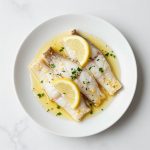
Baked haddock is a simple, elegant fish dish that comes together in under 30 minutes and delivers restaurant-quality results at home. This mild, flaky white fish responds beautifully to gentle oven heat, emerging tender and moist every single time.
Whether you’re cooking for a weeknight dinner or impressing guests, baked haddock proves that the best meals don’t require complicated techniques or a long ingredient list. Let’s walk through how to make this foolproof classic.
Why You’ll Love This Recipe
Baked haddock hits the sweet spot between healthy and deeply satisfying, with zero fuss once the fish hits the oven.
- Ready in 25 minutes from start to plate
- Naturally low in calories and high in protein
- Works with pantry staples you probably already have
- Impresses dinner guests without the stress
- Perfect for both weeknight meals and special occasions
My Experience Making This Recipe
I first made baked haddock on a random Tuesday night when I had three filets thawing and no appetite for the usual routine. I tossed together some butter, lemon, and herbs, slid the fish into the oven, and spent the next 15 minutes wondering why I hadn’t made this more often.
The smell alone converted my skeptical partner into a believer. When we sat down to eat, the flesh was so tender it practically flaked apart with a fork, and the lemon brightened everything without overpowering the delicate fish flavor.
Since then, I’ve made it countless times with different toppings and seasonings, and it’s never disappointed. My go-to move now is adding fresh herbs and a breadcrumb crust for a little texture contrast, but the basic technique remains unchanged.
Recipe Overview
- Recipe Name: Baked Haddock
- Servings: 4
- Prep Time: 10 minutes
- Cook Time: 15 minutes
- Total Time: 25 minutes
- Course: Main Course
- Cuisine: American
- Calories per Serving: 220
Equipment You Will Need
- 9×13 inch baking dish
- Parchment paper or aluminum foil
- Small bowl for mixing butter and seasonings
- Measuring spoons
- Sharp knife
- Instant-read thermometer
- Baking sheet (optional, for lining)
Ingredients for Baked Haddock
- 4 haddock fillets (6 ounces each, about 1 inch thick)
- 3 tablespoons unsalted butter, softened
- 2 cloves garlic, minced
- 2 tablespoons fresh lemon juice
- 1 teaspoon salt
- 1/2 teaspoon black pepper
- 1 teaspoon fresh parsley, chopped
- 1/2 teaspoon dried thyme
- Lemon slices for garnish (optional)
- Cooking spray or additional butter for the baking dish
Ingredient Notes and Substitutions
- Haddock fillets: This mild white fish cooks quickly and stays moist, making it ideal for baking. If haddock isn’t available, use cod, halibut, or pollock as direct substitutes with nearly identical cooking times.
- Butter: Butter creates a rich sauce and keeps the fish moist during baking. Olive oil works as a lighter alternative, though you’ll lose some richness and may need to add a pinch more salt.
- Garlic: Fresh minced garlic adds aromatic depth without overpowering delicate fish. Garlic powder (1/4 teaspoon) can replace fresh garlic in a pinch, though the flavor will be less vibrant.
- Lemon juice: Acid brightens the fish and balances rich butter flavors. Fresh lime juice or white wine (2 tablespoons) work nicely as alternatives with different but equally pleasant flavor profiles.
- Fresh parsley: This mild herb adds color and fresh flavor without competing with the fish. Dill, chives, or tarragon each bring their own character and pair beautifully with baked fish.
How to Make Baked Haddock
Step 1: Preheat Your Oven
Start by preheating your oven to 400 degrees Fahrenheit. A hot oven is key to cooking the fish quickly and evenly while keeping the exterior from drying out.
Step 2: Prepare Your Baking Dish
Lightly coat a 9×13 inch baking dish with cooking spray or butter to prevent the fish from sticking. Line the bottom with parchment paper for even easier cleanup if you prefer.
Step 3: Make the Butter Mixture
In a small bowl, combine the softened butter, minced garlic, lemon juice, parsley, thyme, salt, and pepper. Mix until everything is evenly distributed and the mixture looks like a smooth paste. This aromatic butter will infuse the fish with flavor and keep it moist.
Step 4: Pat the Fish Dry
Use paper towels to gently pat each haddock fillet dry on both sides. Removing surface moisture helps the fish cook evenly and prevents it from steaming, which can result in a less appetizing texture.
Step 5: Arrange Fish in the Baking Dish
Lay the haddock fillets in the prepared baking dish in a single layer, leaving a little space between each fillet so heat circulates evenly. If your fillets vary in thickness, arrange the thicker pieces toward the edges where they’ll cook more slowly.
Step 6: Spread the Butter Mixture
Divide the garlic butter mixture evenly among the four fillets, spreading a thin layer over the top of each one. Don’t go overboard here; a little butter goes a long way with delicate fish.
Step 7: Add Lemon Slices (Optional)
If you like, top each fillet with a thin lemon slice for visual appeal and an extra burst of citrus flavor. This step is purely optional but makes the dish look more polished.
Step 8: Bake the Haddock
Place the baking dish in the preheated 400-degree oven and bake for 12 to 15 minutes, depending on the thickness of your fillets. The fish is done when it flakes easily with a fork and the internal temperature reaches 145 degrees Fahrenheit on an instant-read thermometer.
Step 9: Rest and Serve
Remove the baking dish from the oven and let it sit for 1 to 2 minutes before serving. This brief rest allows the fish to set slightly and makes plating easier without the fillets falling apart.
Pro Tip: Don’t overcook the fish. Haddock continues to cook slightly after you remove it from the oven, so pulling it out when it’s just barely cooked through prevents dry, rubbery results.
Tips for the Best Baked Haddock
- Use fresh, high-quality fish if you can find it. Ask your fishmonger when the fish arrived, and choose filets that smell like the ocean, not “fishy.”
- Let cold fish come to room temperature for 10 minutes before baking so it cooks evenly from edge to center.
- Don’t skip patting the fish dry; this simple step makes a huge difference in texture and browning.
- Add a light sprinkle of panko breadcrumbs mixed with melted butter on top before baking for a subtle crust.
- Use an oven thermometer to confirm your oven runs at the correct temperature, since some ovens can be off by 25 degrees or more.
- Save the pan drippings and pour them over the cooked fish as a sauce just before serving for extra flavor.
Common Mistakes to Avoid
- Overcooking the fish: Even 2 to 3 minutes too long results in dry, tough haddock that’s hard to salvage. Use a timer and check for doneness at the lower end of the cooking range.
- Using fish that’s too cold: Cold fish in a hot oven cooks unevenly, with the edges overdone before the center is warm. Let it sit out for 10 minutes first.
- Skipping the butter or oil: A baking dish with no fat causes the bottom of the fish to stick and dry out quickly.
- Crowding the pan: Overlapping fillets steam instead of bake, resulting in mushy texture rather than tender flesh.
- Adding too many strong seasonings: Haddock’s delicate flavor disappears under heavy-handed garlic or spice, so go light and taste as you go.
Serving Suggestions
Baked haddock pairs beautifully with bright sides that complement its mild, delicate flavor without overwhelming it. Simple, fresh accompaniments let the fish shine.
- Roasted asparagus or green beans with a drizzle of olive oil and sea salt
- Creamy mashed potatoes or buttered egg noodles to soak up pan juices
- A crisp green salad dressed with lemon vinaigrette
- Roasted cherry tomatoes with fresh basil
- Wild rice pilaf with dried cranberries and toasted almonds
Variations to Try
- Mediterranean style: Replace the parsley and thyme with fresh basil, add diced tomatoes and Kalamata olives to the baking dish, and finish with crumbled feta cheese.
- Crispy breadcrumb topping: Mix panko breadcrumbs with melted butter, grated Parmesan, and fresh herbs, then sprinkle over the fillets before baking for a golden crust.
- Cajun spiced: Swap the herbs for paprika, cayenne, garlic powder, and onion powder, then top with a squeeze of fresh lime instead of lemon.
- Asian inspired: Use ginger and soy sauce in place of garlic and herbs, add a splash of sesame oil, and garnish with sliced green onions and sesame seeds.
- Wine poached: Replace some of the butter with dry white wine or vermouth for a more delicate, lighter dish that’s elegant enough for special dinners.
Dietary Adaptations
- Gluten-free: This recipe is naturally gluten-free as written; just verify that any store-bought seasonings you use don’t contain hidden gluten.
- Dairy-free: Substitute olive oil or avocado oil for the butter in a 1-to-1 ratio, using the same amount for cooking.
- Vegan or vegetarian: This recipe contains fish, so it doesn’t work for these diets, but you can apply the same technique to firm tofu or hearty vegetables like portobello mushrooms.
- Low-carb or keto: Baked haddock is already very low in carbs (less than 1 gram per serving), making it ideal for these diets as written.
Storage and Reheating
Refrigerator
Store leftover baked haddock in an airtight container for up to 3 days. Cool the fish completely before covering to prevent condensation.
- Keep the fish in its cooking liquid to prevent drying out
- Store separately from strong-smelling foods to avoid flavor transfer
Freezer
Baked haddock freezes well for up to 2 months when stored properly. Wrap individual fillets tightly in plastic wrap, then place them in a freezer bag with the air removed.
- Label the bag with the date so you remember when it was frozen
- Thaw in the refrigerator overnight before reheating
Reheating
Reheat gently in a 300-degree oven for 8 to 10 minutes, covered with foil, to prevent the fish from drying out further. Alternatively, microwave a single serving on 50 percent power for 1 to 2 minutes, checking halfway through.
- Add a splash of water or broth to the baking dish before reheating for added moisture
- Never use high heat, as it will toughen the delicate flesh
Nutrition Information
| Nutrient | Amount |
|---|---|
| Calories | 220 |
| Total Fat | 9g |
| Saturated Fat | 5g |
| Carbohydrates | 1g |
| Fiber | 0g |
| Sugar | 0g |
| Protein | 32g |
| Sodium | 580mg |
| Cholesterol | 95mg |
These values are approximate and based on standard ingredient sizes. Actual nutrition varies slightly depending on the specific products and amounts used.
Frequently Asked Questions
Can I Use Frozen Haddock Instead of Fresh?
Absolutely, frozen haddock works just as well as fresh. Thaw it completely in the refrigerator overnight, then pat it dry before baking to remove excess moisture from the thawing process.
How Do I Know When the Fish Is Done?
The fish is done when it flakes easily with a fork and reaches an internal temperature of 145 degrees Fahrenheit. The flesh should be opaque throughout with no translucent spots remaining.
What If My Fillets Are Much Thicker Than Others?
Arrange thicker fillets toward the edges of the baking dish where they cook more slowly, and position thinner fillets toward the center. Alternatively, gently pound thicker fillets to an even 1-inch thickness before baking.
Can I Prepare This Dish Ahead of Time?
Yes, you can assemble the dish up to 4 hours ahead by spreading the butter mixture on the fish, covering it with plastic wrap, and refrigerating until baking time. Add 2 to 3 minutes to the cooking time since the fish will be cold.
What’s the Best Way to Store Leftovers?
Cool the leftover fish completely, then store it in an airtight container in the refrigerator for up to 3 days. Keep it in its cooking liquid to prevent drying out.
Can I Add Vegetables to the Baking Dish?
Yes, you can roast hardy vegetables like asparagus, broccoli, or zucchini alongside the fish. Toss them with olive oil and seasonings, arrange them around the fillets, and bake everything together.
Final Thoughts
Baked haddock is proof that simple ingredients and basic technique can produce restaurant-quality results every single time. Once you nail this straightforward recipe, you’ll find yourself making it regularly because it’s fast, healthy, and genuinely delicious.
Don’t let the simplicity fool you; this dish deserves a spot in your regular dinner rotation. Get a beautiful fillet from your fishmonger, follow the steps, and serve it with pride. Your family will ask you to make it again before you’ve even cleared the plates.
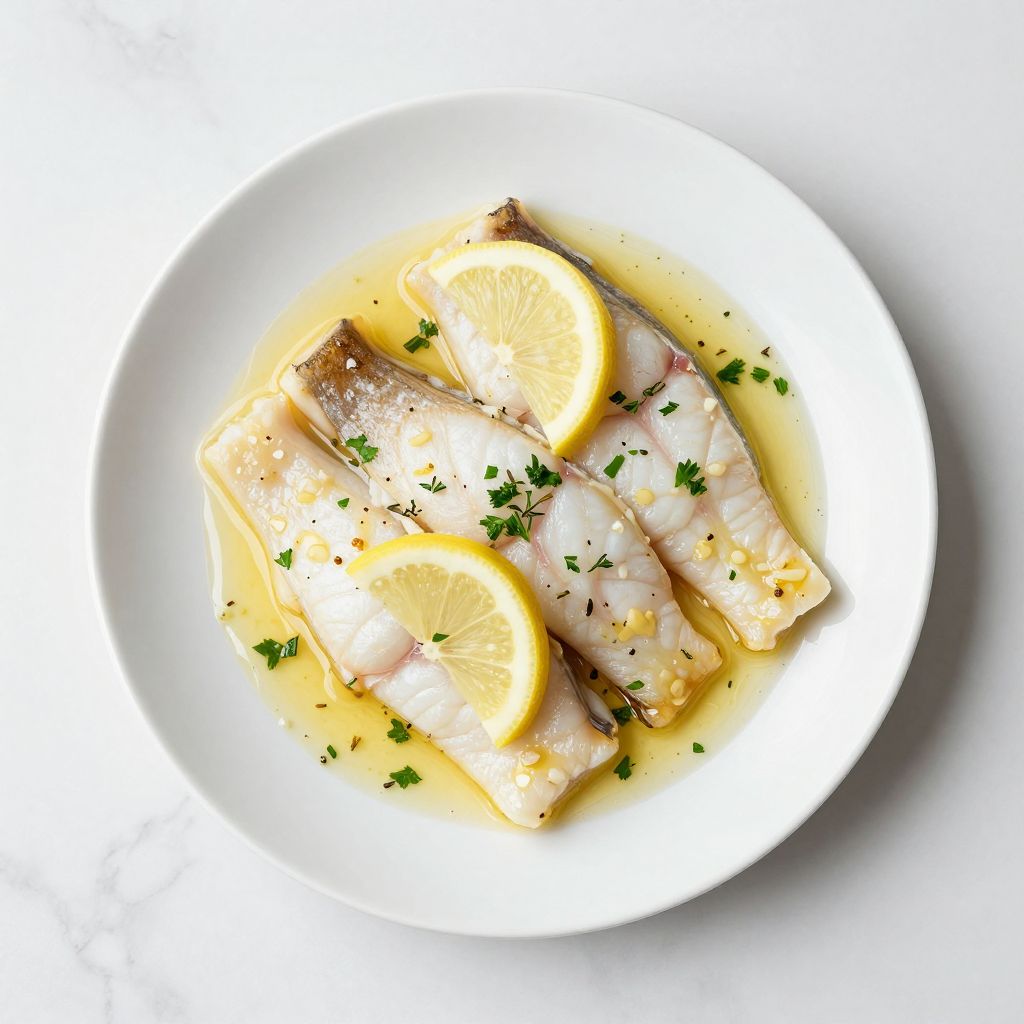
Baked Haddock
Ingredients
Equipment
Method
- Preheat the oven to 400°F (200°C).
- Lightly coat a 9x13 inch baking dish with cooking spray or butter and, if desired, line it with parchment paper.
- In a small bowl, mix the softened butter, minced garlic, lemon juice, parsley, thyme, salt, and black pepper until well combined.
- Pat the haddock fillets dry with paper towels and arrange them in the prepared baking dish in a single layer.
- Spread the garlic-lemon butter mixture evenly over the top of each fillet.
- Optional: place a thin lemon slice on each fillet for extra citrus flavor.
- Bake for 12–15 minutes, or until the fish flakes easily with a fork and reaches an internal temperature of 145°F (63°C).
- Remove from the oven and let the fillets rest for 1–2 minutes before serving.