Tired of bland, store-bought steak seasoning that tastes like cardboard mixed with salt? Making your own steak seasoning recipe at home takes five minutes and transforms every cut of beef into restaurant-quality perfection.
This blend combines warm spices, savory garlic, and just the right amount of heat to complement rather than mask the meat’s natural flavors. Once you taste the difference, you’ll never buy pre-mixed packets again.
Why You’ll Love This Recipe
Homemade steak seasoning gives you complete control over salt levels, spice intensity, and ingredient quality.
- Costs pennies per batch compared to branded options
- Ready in under five minutes with pantry staples
- Works beautifully on beef, lamb, pork, and even vegetables
- Makes an impressive gift for the grill master in your life
- Keeps fresh for months in an airtight jar
My Experience Making This Recipe
I stumbled onto this blend while trying to recreate the seasoning at my favorite steakhouse, and honestly, it tastes better. The secret is toasting the spices before grinding them, which intensifies every flavor note and makes your kitchen smell incredible.
My partner tested it on a simple ribeye last week, and she asked why I’d been wasting money on fancy branded seasonings all these years. One batch has lasted three months with weekly use, so the math on cost savings alone makes it worth doing.
The real win? I adjusted the cayenne pepper down from the original ratio because we prefer milder heat, and that customization is impossible with commercial blends. You own the recipe, not the other way around.
Recipe Overview
- Recipe Name: Homemade Steak Seasoning
- Servings: Makes approximately 3/4 cup (enough for 20+ steaks)
- Prep Time: 5 minutes
- Cook Time: 3 minutes (toasting spices)
- Total Time: 8 minutes
- Course: Seasoning/Condiment
- Cuisine: American
- Calories per Serving: Negligible (seasoning only, no nutritional value per teaspoon)
Equipment You Will Need
- Small skillet or dry pan
- Spice grinder or coffee grinder dedicated to spices
- Measuring spoons
- Small bowls for toasted spices
- Airtight jar or container for storage
- Wooden spoon for stirring
- Funnel (optional, for transferring to jar)
Ingredients for Steak Seasoning Recipe
For the Dry Seasoning Blend
- 2 tablespoons black peppercorns
- 1 tablespoon coriander seeds
- 1 teaspoon red pepper flakes (adjust to taste for heat level)
- 1 teaspoon mustard seeds
- 1/2 teaspoon whole cloves
- 2 tablespoons kosher salt (Diamond Crystal brand recommended)
- 1 tablespoon granulated garlic
- 1 tablespoon onion powder
- 1 teaspoon smoked paprika
- 1/2 teaspoon dried thyme
- 1/4 teaspoon dried rosemary (crushed lightly)
Ingredient Notes and Substitutions
- Black peppercorns: Freshly ground pepper delivers exponentially more punch than pre-ground, so don’t skip toasting and grinding. If you don’t have a grinder, use high-quality pre-ground black pepper, though the flavor won’t be as vibrant.
- Coriander seeds: These add subtle citrus notes and warm spice that round out the blend beautifully. Cumin seeds work as a substitute but shift the flavor profile toward Mexican or Southwestern rather than steakhouse.
- Kosher salt: Diamond Crystal dissolves faster and tastes less harsh than Morton’s, which contains anti-caking agents. Sea salt works fine too, though you may need slightly less due to larger grain size and density differences.
- Granulated garlic: Fresh garlic powder beats garlic salt every time since you control sodium separately. No substitute works as cleanly here, so grab a small jar if you don’t have it.
- Smoked paprika: This adds color and a hint of smokiness without overpowering. Regular paprika is milder and less flavorful, so swap it only if you can’t find smoked.
- Red pepper flakes: These bring heat and texture. Cayenne powder works but dissolves differently; start with half the amount and taste as you go.
How to Make Steak Seasoning Recipe
Step 1: Gather and Measure Your Whole Spices
Assemble the peppercorns, coriander seeds, mustard seeds, cloves, and red pepper flakes in separate small bowls so you can add them to the pan at the right time. Measuring everything beforehand prevents burning and ensures you don’t accidentally skip an ingredient.
Step 2: Toast the Peppercorns
Place a small skillet over medium heat and add the black peppercorns, stirring constantly for about one minute until fragrant. You’ll notice the color deepen slightly and the aroma become sharp and peppery; this is exactly what you want.
Step 3: Add Coriander and Mustard Seeds
Add the coriander seeds and mustard seeds to the same pan, continuing to stir for another minute until all three spices smell toasted and earthy. Don’t walk away from the stove because these can burn in seconds once they start smoking.
Step 4: Toast the Remaining Whole Spices
Add the cloves and red pepper flakes, stirring for just 30 seconds to avoid over-toasting the cloves, which can turn bitter. Remove the pan from heat immediately and transfer everything to a clean bowl to cool for about two minutes.
Step 5: Grind the Toasted Spices
Once the spices have cooled enough to handle safely, transfer them to a spice grinder and pulse until they reach a coarse consistency with some texture remaining. Don’t grind too finely or the blend becomes powdery and loses the pleasant graininess.
Step 6: Combine with Salt and Aromatics
Pour the ground spice mixture into a bowl and stir in the kosher salt, granulated garlic, and onion powder, mixing thoroughly. Make sure the salt crystals coat everything evenly so you don’t get pockets of concentrated seasoning when you use it.
Step 7: Add the Remaining Seasonings
Add the smoked paprika, dried thyme, and crushed dried rosemary, stirring well to distribute all ingredients evenly throughout the blend. At this point you should smell something that makes you want to immediately grill a steak.
Step 8: Transfer to Storage
Use a funnel to pour the finished seasoning into an airtight glass jar or container, sealing it tightly. Label it with the date so you remember when you made it and can rotate your stock appropriately.
Pro Tip: Taste a tiny pinch on your fingertip before using on steak to check the salt level and heat intensity, then adjust your application amount accordingly on individual cuts.
Tips for the Best Steak Seasoning Recipe
- Toast your whole spices in a dry pan without oil; this brings out their natural oils and amplifies flavor better than any other method. Skip this step and your seasoning tastes flat and powdery compared to the real thing.
- Don’t grind the spices into a fine powder; leave some texture so you get little flavor bursts when you bite into the steak. Overly fine seasoning also tends to burn at high cooking temperatures.
- Apply seasoning generously about 40 minutes before cooking so it adheres to the meat properly and seasons deep into the surface. Seasoning right before cooking sits on top and doesn’t integrate as well.
- Use slightly less salt than the recipe calls for if you prefer a lighter hand, then taste and add more next time. It’s easier to add salt than remove it once it’s mixed in.
- Store your finished blend in a cool, dark place away from direct sunlight and heat, where it stays fresh for up to six months. Keep a small shaker jar for frequent use and store the bulk in the back of your spice cabinet.
- Make a double or triple batch and keep jars on hand as gifts for friends who grill; homemade seasoning blends always impress more than store-bought options.
Common Mistakes to Avoid
- Skipping the toasting step might save three minutes but costs you half the flavor since untoasted spices taste raw and lack depth. The difference is noticeable enough that it’s worth the time investment every single time.
- Over-toasting the spices until they smoke turns them bitter and acrid, making the entire batch unusable. Watch the pan closely and pull it off heat the moment you see smoke or smell something almost burnt.
- Using pre-ground spices instead of whole spices means flavor has already faded in the months they sat in bottles. Fresh whole spices deliver exponentially better results and justify the small effort of toasting and grinding.
- Adding too much salt upfront makes the seasoning inedible on anything but the thickest cuts of meat. Start conservative and let people add more at the table if they want extra salt.
- Storing the blend in the pantry near your stove or in direct sunlight causes the oils to break down and flavors to fade quickly. A cool, dark cabinet in a sealed container keeps everything fresh much longer.
Serving Suggestions
This seasoning shines on grilled or pan-seared beef, but it works beautifully on other proteins and vegetables too. Apply it generously to your protein about 40 minutes before cooking for maximum flavor penetration.
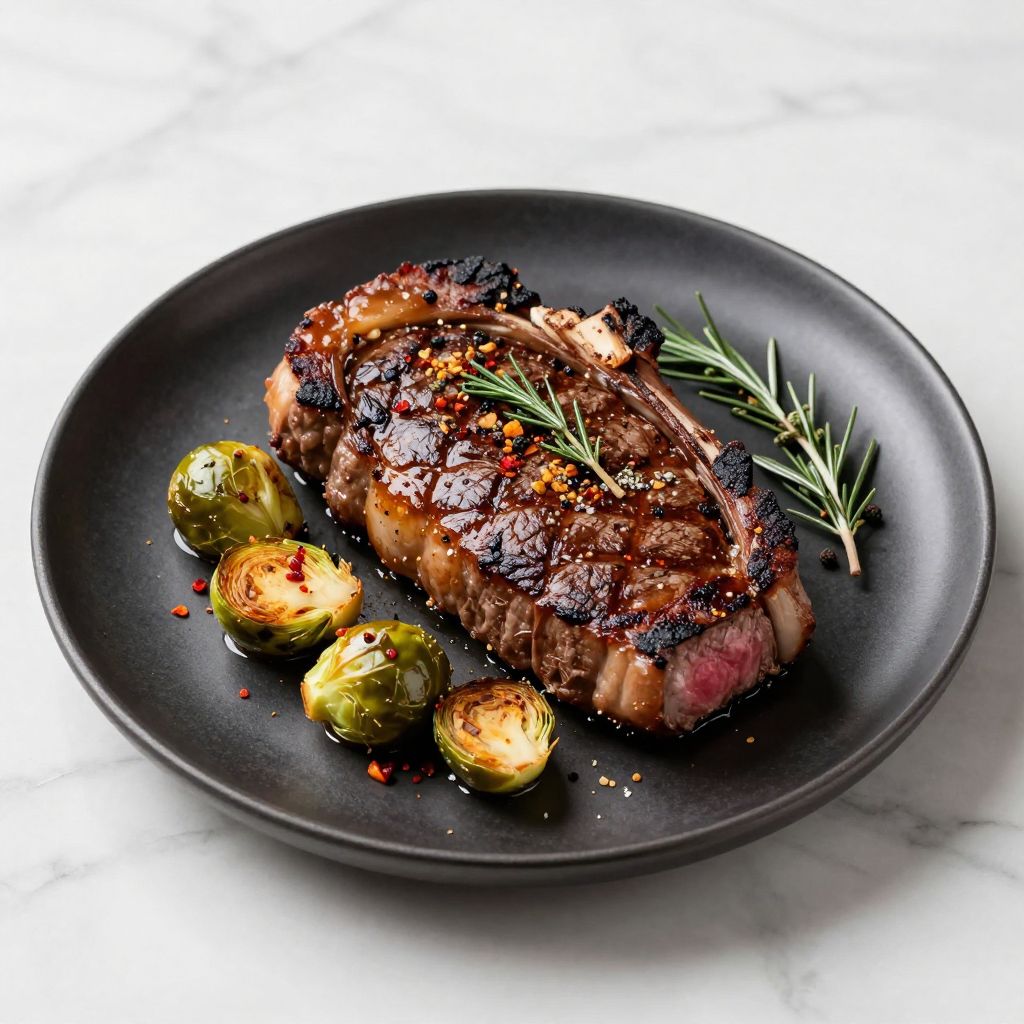
- Dust a bone-in ribeye or New York strip 40 minutes before grilling for a steakhouse-quality crust
- Coat lamb chops or a lamb shoulder roast before cooking for warm, savory depth
- Season pork chops or a pork tenderloin for a flavor boost that complements the meat without overwhelming it
- Toss roasted Brussels sprouts or root vegetables with a touch of this blend and olive oil for incredible sides
- Sprinkle on eggs, roasted potatoes, or grilled corn for unexpected flavor additions that guests will ask about
Variations to Try
- Smoky Heat Version: Double the smoked paprika and red pepper flakes for a bolder kick that works well on thicker cuts where you want assertive seasoning. This version suits adventurous eaters and pairs nicely with barbecue-style cooking.
- Coffee Rubbed Variation: Add one tablespoon of finely ground espresso powder or instant coffee to the finished blend for subtle depth and complexity that enhances beef richness. The coffee note sits in the background without making the steak taste like coffee.
- Herb Forward Version: Increase the dried thyme and rosemary to two tablespoons each and reduce the spices slightly for an herbier profile that leans Mediterranean. This works especially well on lamb or when you want a lighter, fresher flavor.
- Garlic and Onion Bomb: Double both the granulated garlic and onion powder for a savory, umami-forward blend that works great on beef burgers and ground meat applications. This version tastes less refined but delivers bold, crowd-pleasing flavor.
- Whiskey Barrel Version: Add half a teaspoon of smoked salt if you have it, plus a quarter teaspoon of oak smoke powder for a deep, bourbon-barrel-aged flavor that sounds fancy and tastes incredible. This one surprises people in the best way.
Dietary Adaptations
- Gluten-Free: This recipe is naturally gluten-free since spices don’t contain gluten, but verify that any store-bought spices came from certified facilities. The trade-off is negligible since the base recipe is already safe for gluten-free diets.
- Dairy-Free: This seasoning contains no dairy whatsoever, making it perfect for dairy-free cooking without any modifications. No trade-offs here; it works beautifully as-is.
- Vegan and Vegetarian: The entire blend is plant-based with no animal products, so it works perfectly for seasoning vegetables, plant-based steaks, or meat alternatives. No adjustments needed since nothing in the recipe relies on animal ingredients.
- Low-Carb and Keto: Spices contain negligible carbohydrates, making this seasoning fully compatible with low-carb and ketogenic diets without modification. You gain bold flavor with zero impact on macros.
- Low-Sodium: Reduce the salt to one tablespoon and taste as you go, understanding that the blend will taste less punchy but still flavorful. The trade-off is less impact and may require adding finishing salt at the table.
Storage and Reheating
Refrigerator
Store your steak seasoning in an airtight glass jar or container in a cool kitchen cabinet rather than the refrigerator. It keeps fresh for up to six months in a cool, dark place.
- Use an airtight container to prevent moisture and odor absorption
- Keep away from direct sunlight and heat sources like the stove
- Label the jar with the date you made it for easy rotation
Freezer
Freezing this seasoning blend is unnecessary and actually damages the delicate flavors by introducing excess moisture when it thaws. The pantry storage method keeps it fresh long enough without any freezer time needed.
- Freezing causes condensation that degrades spice quality
- The blend stays shelf-stable for months without freezing
- Save freezer space for items that actually benefit from cold storage
Reheating
This is a dry seasoning blend, so no reheating applies. Simply use it fresh from the jar whenever you’re cooking steak or other proteins.
- Shake or stir before using if oils have separated slightly
- Keep a small shaker jar for frequent use and bulk storage elsewhere
- Refresh the blend if you notice flavors fading after six months
Nutrition Information
| Nutrient | Amount |
|---|---|
| Calories | 0 |
| Total Fat | 0g |
| Saturated Fat | 0g |
| Carbohydrates | 0g |
| Fiber | 0g |
| Sugar | 0g |
| Protein | 0g |
| Sodium | 580mg per teaspoon |
| Cholesterol | 0mg |
These values are approximate and based on standard ingredient measurements, calculated per teaspoon of finished seasoning blend. Actual nutritional content varies slightly depending on your specific ingredient brands and toasting time.
Frequently Asked Questions
Can I make this without toasting the whole spices?
You technically can, but you’ll lose roughly half the flavor since toasting awakens the essential oils in spices. The extra three minutes of effort makes such a dramatic difference that skipping it feels like settling for mediocre results.
How much seasoning do I use per steak?
Use about one teaspoon per pound of steak, applying it on both sides roughly 40 minutes before cooking. Adjust based on your salt preference, and remember that you can always add more at the table but can’t remove it once applied.
Does this blend work on other meats besides steak?
Absolutely; it shines on lamb, pork, duck, and even chicken, though you might want to use slightly less on delicate proteins. It even works beautifully on roasted vegetables, potatoes, and eggs if you’re feeling creative.
Why does my seasoning look clumpy after a few weeks?
Moisture is getting into the jar, likely from opening it over a steaming pot or storing it near heat. Store it in a cool, dark cabinet far from the stove, and make sure the lid seals tightly every time you open it.
Can I substitute fresh garlic and onion for the powder versions?
No, fresh versions contain water and won’t work as a dry seasoning blend; they’ll clump up and cause moisture issues. Stick with granulated garlic and onion powder for a shelf-stable blend that lasts months.
Is this seasoning mix spicy hot or just flavorful?
It has gentle heat from red pepper flakes rather than being fiery, making it approachable for most people while still adding warmth. Reduce the red pepper flakes by half if you prefer milder seasoning or double them if you like significant spice kick.
How long does homemade steak seasoning stay fresh?
Stored properly in an airtight container in a cool, dark cabinet, it stays fresh and flavorful for up to six months. After that, flavors begin fading, though the blend remains safe to eat indefinitely.
Final Thoughts
Making your own steak seasoning is one of those small kitchen moves that yields outsized results, transforming ordinary steaks into something restaurant-worthy. The investment is literally a few minutes and pennies worth of spices, so there’s no reason not to give it a try today.
Homemade Steak Seasoning
Ingredients
Equipment
Method
- Gather and measure all whole spices and remaining ingredients before starting.
- Place a dry skillet over medium heat and toast the black peppercorns for about 1 minute, stirring constantly until fragrant.
- Add the coriander seeds and mustard seeds; continue toasting for another 1 minute, stirring to prevent burning.
- Add the whole cloves and red pepper flakes; toast for 30 seconds, then immediately transfer the mixture to a bowl to cool for 2 minutes.
- Once cooled, grind the toasted spices in a spice grinder until coarsely ground, leaving some texture.
- In a mixing bowl, combine the ground spice mixture with kosher salt, granulated garlic, and onion powder; stir thoroughly.
- Add smoked paprika, dried thyme, and crushed dried rosemary; mix until evenly distributed.
- Use a funnel to transfer the finished seasoning to an airtight jar, label with the date, and store in a cool, dark cabinet for up to 6 months.