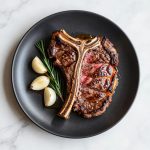
There’s nothing quite like pulling a smoked chuck roast off the smoker after hours of low and slow cooking, watching the bark crackle as you slice into it. This cut transforms from tough and chewy into fall-apart tender meat that absorbs every bit of smoke flavor you throw at it. If you’ve been intimidated by smoking a roast, this guide will walk you through the entire process with confidence.
Whether you’re feeding a crowd or stocking your freezer with leftovers, a smoked chuck roast delivers restaurant-quality results right in your backyard. Let’s break down everything you need to know to nail this recipe every single time.
Why You’ll Love This Recipe
A smoked chuck roast is the ultimate low-maintenance showstopper that practically cooks itself while you relax with friends and family.
- Incredibly forgiving: chuck roast’s marbling means it’s hard to overcook and stays juicy regardless of slight temperature variations
- Minimal hands-on time: once you apply rub and place it on the smoker, you can walk away for hours
- Feeds a crowd: a single roast easily serves 8 to 12 people with room for seconds
- Budget-friendly: chuck roast costs a fraction of brisket or prime rib yet tastes just as impressive
- Freezes beautifully: leftovers keep for months and taste amazing reheated in sandwiches or tacos
My Experience Making This Recipe
I first smoked a chuck roast on a lazy Saturday when I didn’t feel like tending a brisket all day, and I was honestly shocked at how tender and flavorful it turned out. The first bite had that perfect smoke ring and a deep bark that crackled between my teeth, and my skeptical neighbor was back the next week asking for the recipe.
What I love most is how forgiving this cut is compared to leaner meats. I’ve accidentally let the temperature climb a few degrees higher than planned, and the roast still came out buttery and tender rather than dried out.
The smell alone as it smokes is worth the effort, filling your entire yard with this irresistible smoky aroma that has everyone asking when dinner’s ready about three hours into the cook.
Recipe Overview
- Recipe Name: Smoked Chuck Roast
- Servings: 8 to 10
- Prep Time: 15 minutes
- Cook Time: 5 to 6 hours
- Total Time: 5 hours 30 minutes to 6 hours 15 minutes
- Course: Main Dish
- Cuisine: American Barbecue
- Calories per Serving: 380
Equipment You Will Need
- Smoker (offset barrel, kamado, or pellet smoker all work great)
- Meat thermometer (instant-read digital is most reliable)
- Small mixing bowl for rub
- Basting brush
- Aluminum foil
- Cutting board
- Sharp carving knife
- Smoke wood (oak, hickory, or pecan)
Ingredients for Smoked Chuck Roast
- 4 to 5 pound chuck roast, preferably with a fat cap intact
- 3 tablespoons paprika
- 2 tablespoons brown sugar
- 2 tablespoons coarse black pepper
- 2 tablespoons garlic powder
- 1 tablespoon onion powder
- 1 tablespoon kosher salt
- 1 teaspoon cayenne pepper, optional but adds nice heat
- 1/2 teaspoon smoked paprika, amplifies smoke flavor
- 2 tablespoons butter, for basting
- 1/2 cup beef broth, if wrapping in foil during cook
Ingredient Notes and Substitutions
- Chuck roast: This cut has enough intramuscular fat to stay tender through hours of smoking, unlike leaner cuts that dry out. If chuck roast isn’t available, brisket point or beef chuck clod work similarly, though cooking times may shift slightly.
- Paprika: It adds sweetness and color to the bark, creating that signature red hue on smoked meat. Regular or smoked paprika both work; smoked paprika doubles down on the smoke flavor if you prefer it more intense.
- Brown sugar: This creates a caramelized crust on the exterior while helping hold in moisture. White sugar works as a substitute if brown sugar isn’t on hand, though brown sugar adds molasses depth.
- Black pepper: Coarse pepper holds up better under heat than finely ground and creates visible specks on the bark. Fine pepper will work but may burn off faster.
- Salt: Kosher salt penetrates the meat better than table salt because of its larger crystal size. Sea salt is a good alternative at the same ratio.
How to Make Smoked Chuck Roast
Step 1: Prepare Your Smoker
Fire up your smoker about 30 minutes before you plan to cook, bringing the temperature to a steady 250 degrees Fahrenheit. Consistent temperature is what transforms a tough cut into something melt-in-your-mouth tender, so take time to dial in your smoker before adding the roast.
Step 2: Trim and Score the Fat Cap
Pull your chuck roast out of the refrigerator and pat it completely dry with paper towels, since moisture prevents a good bark from forming. Trim any excessive hard fat from the exterior, but leave about a quarter-inch fat cap to protect the meat from drying out and to render into flavor.
Step 3: Apply the Dry Rub
Combine all the rub ingredients in a small bowl, mixing them thoroughly so no clumps of salt or garlic powder remain. Generously coat the entire chuck roast with the rub, working it into crevices and covering all surfaces, then let it sit uncovered at room temperature for 15 minutes so the salt can start pulling moisture from the meat to form a paste.
Step 4: Place on the Smoker
Once your smoker holds steady at 250 degrees, place the rubbed roast on the grates with the fat cap facing up, which allows rendered fat to baste the meat continuously as it cooks. Insert your meat thermometer into the thickest part without touching bone, then close the smoker door and let it work undisturbed for the first two to three hours.
Step 5: Monitor Temperature and Add Smoke
Check your smoker temperature every 45 minutes to ensure it stays between 245 and 255 degrees, adjusting vents as needed. Add fresh smoke wood every hour for the first three hours, using hickory or oak for a bold smoke flavor that won’t overpower the beef.
Step 6: Wrap When Reaching 165 Degrees
Once the internal temperature hits 165 degrees, pull the roast from the smoker and wrap it tightly in aluminum foil with a half-cup of beef broth poured inside the foil. This wrap stage, called the Texas crutch, speeds up cooking in the final hours and keeps the meat moist, though you sacrifice the bark from becoming any darker.
Step 7: Continue Cooking to Target Temperature
Return the wrapped roast to the smoker and continue cooking until the internal temperature reaches 195 to 205 degrees in the thickest part, checking every 30 minutes. This temperature range ensures the collagen has fully broken down into gelatin, giving you that tender, almost creamy texture throughout.
Step 8: Rest Before Slicing
Remove the roast from the smoker and let it rest, still wrapped, for at least 15 minutes at room temperature, which allows the juices to redistribute back into the meat. Rushing the slice after cooking wastes those delicious juices that would otherwise run onto your cutting board.
Step 9: Slice and Serve
Unwrap the roast carefully to avoid steam burns, then slice against the grain into quarter-inch thick slices, which gives you tender bites rather than stringy shreds. Serve immediately while the meat is still warm, letting guests appreciate the bark and smoke ring you’ve worked so hard to create.
Pro Tip: A chuck roast cooked to an internal temperature of 205 degrees will slice cleanly, but if you prefer pulled meat for tacos or sandwiches, cook it to 210 degrees and it will shred apart with minimal effort.
Tips for the Best Smoked Chuck Roast
- Choose a roast with visible marbling throughout and a fat cap on top, which indicates good moisture retention during the long cook. Grass-fed beef often has less marbling, so conventional chuck is your better bet here.
- Keep your smoker temperature as steady as possible by using a quality smoker thermometer, not the built-in dial which is often inaccurate. Temperature swings of more than 10 degrees can extend your cook time unpredictably.
- Don’t rely entirely on cooking time; use a meat thermometer as your guide since factors like roast size, smoker type, and weather all affect duration. A one-degree-per-hour temperature climb is normal; a five-degree jump suggests you need to dial back your heat.
- Baste the roast every two hours during the first phase with melted butter mixed with beef broth, which adds flavor and helps develop a deeper bark. A spray bottle filled with apple juice and butter works beautifully too.
- Use oak or hickory wood rather than lighter woods like apple or cherry, which can be overpowered by a chuck roast’s bold beef flavor. Mesquite works but can turn bitter if you oversmoke, so use sparingly.
Common Mistakes to Avoid
- Starting with a wet roast: moisture on the surface prevents bark formation, so always pat your meat completely dry before applying rub, no matter how lazy you feel.
- Skipping the rest period: slicing immediately after cooking causes all those rendered juices to spill onto your cutting board instead of staying inside the meat where they belong.
- Cooking too hot: many people crank their smoker to 275 or 300 degrees to speed up cooking, but this dries out the exterior before the interior becomes tender. Stick to 250 degrees and be patient.
- Unwrapping too early: wrapping at 165 degrees is crucial for the push to tenderness, so don’t peek or unwrap before hitting 200 degrees internal temperature.
- Using too much smoke: oversmoking creates an acrid, unpleasant flavor that can ruin hours of work. Stick to fresh wood every hour for the first three hours, then stop adding smoke entirely.
Serving Suggestions
Smoked chuck roast tastes incredible on its own, but pairing it with simple sides and sauces elevates the entire meal. Here are some combinations that work perfectly.
- Buttered cornbread and coleslaw with a vinegar-based dressing to cut through the richness
- Soft flour tortillas with salsa, pickled onions, and cilantro for casual pulled roast tacos
- Baked beans and potato salad for a classic barbecue plate that never disappoints
- Crusty rolls or brioche buns with sliced roast for hearty sandwiches with your favorite barbecue sauce
- Simple green salad with vinaigrette to provide brightness and balance the smoky, savory meat
Variations to Try
- Spicy Smoked Chuck Roast: Increase cayenne pepper to two teaspoons and add one teaspoon of chili powder to the rub for a roast with real kick that still respects the smoke flavor.
- Coffee Rubbed Chuck Roast: Replace one tablespoon of brown sugar with one tablespoon of finely ground coffee, which adds depth and a subtle bitter edge that pairs beautifully with smoked beef.
- Wrapped in Bacon Chuck Roast: Wrap the roast in bacon strips before smoking, which adds another layer of smoke and renders pork fat over the beef for extra richness.
- Mustard Basted Chuck Roast: Mix spicy brown mustard with melted butter and use that as your basting liquid instead of plain butter, adding tanginess that cuts through the smoke.
- Garlic and Herb Chuck Roast: Add fresh rosemary and thyme to the rub along with minced fresh garlic, creating an herbaceous profile that feels more elegant than the basic version.
Dietary Adaptations
- Gluten-Free: This recipe is naturally gluten-free since it contains no flour or grain products, making it perfect for anyone avoiding gluten without any modifications needed.
- Dairy-Free: Skip the butter basting or replace it with olive oil mixed with beef broth, which provides moisture and flavor without dairy.
- Low-Carb or Keto: The rub contains brown sugar which adds carbs, so replace it with erythritol or monk fruit sweetener at a one-to-one ratio for the same sweetness without carbs.
- Paleo: Use the low-carb adaptation above and ensure your smoker doesn’t use processed pellets with additives, sticking instead to natural hardwood chunks.
Storage and Reheating
Refrigerator
Store your leftover smoked chuck roast in an airtight container and keep it refrigerated for up to four days. The meat actually tastes better after a day or two as flavors meld together, making this a perfect make-ahead dish.
- Cool the roast completely before wrapping to avoid condensation inside the container
- Store any accumulated pan juices alongside the meat to rehydrate it when reheating
- Stack slices flat rather than piling them, which prevents the bottom slices from getting compressed
Freezer
Smoked chuck roast freezes beautifully for up to three months without losing quality, making it perfect to stock away for easy meals later. Wrap the meat tightly in plastic wrap then foil to prevent freezer burn, or store slices in a freezer bag with as much air removed as possible.
- Freeze in portions so you can thaw only what you need
- Label your container with the date so you remember when you froze it
- Include some of the pan juices in your freezer package for better reheating results
Reheating
The best way to reheat smoked chuck roast is low and slow to prevent it from drying out. Wrap the slices in foil with a bit of the pan juices and warm them in a 275-degree oven for about 20 minutes until heated through, or reheat in a skillet over medium-low heat covered with a lid.
- Never use high heat or a microwave, which will toughen the meat
- Add extra broth or juices if the meat seems dry during reheating
- Pulled roast reheats beautifully in barbecue sauce in a slow cooker on low for two to three hours
Nutrition Information
| Nutrient | Amount |
|---|---|
| Calories | 380 |
| Total Fat | 22g |
| Saturated Fat | 9g |
| Cholesterol | 95mg |
| Sodium | 620mg |
| Carbohydrates | 4g |
| Fiber | 0g |
| Sugar | 2g |
| Protein | 42g |
These values are estimates based on a 4.5-pound roast serving 9 people, with calculation accounting for beef chuck roast at 250 degrees for approximately 5.5 hours. Individual nutritional content may vary based on the specific cut of meat and cooking method used.
Frequently Asked Questions
Can I smoke a chuck roast at a higher temperature to speed up cooking?
You can smoke at 275 to 300 degrees, which will cut your cook time down to three to four hours, but the meat often comes out drier and less tender than low-and-slow smoking at 250 degrees. If you’re in a hurry, it’s better to choose a faster-cooking cut like steak than to rush a chuck roast.
What’s the difference between chuck roast and chuck steak?
Chuck roast is a larger hunk of meat from the shoulder that comes in the four to five pound range, while chuck steak is cut thinner from the same area. Roasts are better for smoking because they have more consistent thickness and maintain moisture better throughout the long cook.
Do I have to wrap the roast in foil, or can I smoke it unwrapped the entire time?
You can smoke unwrapped the entire time if you prefer a thicker bark on all sides, which takes about six to seven hours instead of five to six. Wrapping helps speed things up and keeps the meat more moist, but an all-smoke cook produces a chewier, darker bark if that appeals to you.
Why is my chuck roast turning out tough instead of tender?
Tough roast usually means it didn’t reach a high enough internal temperature; aim for at least 200 degrees and ideally 205 degrees where all the collagen breaks down into gelatin. If you’re hitting those temperatures and it’s still tough, you may have a particularly lean roast, in which case choosing a different package next time helps.
Can I use a pellet smoker or charcoal smoker, or do I need an offset smoker?
Any type of smoker will work for this recipe as long as you can maintain a consistent 250°F. Pellet smokers offer set-and-forget convenience, charcoal smokers deliver a classic flavor, and offset smokers give you ultimate control over the smoke profile. Use whatever cooker you have, focusing on temperature stability above all.
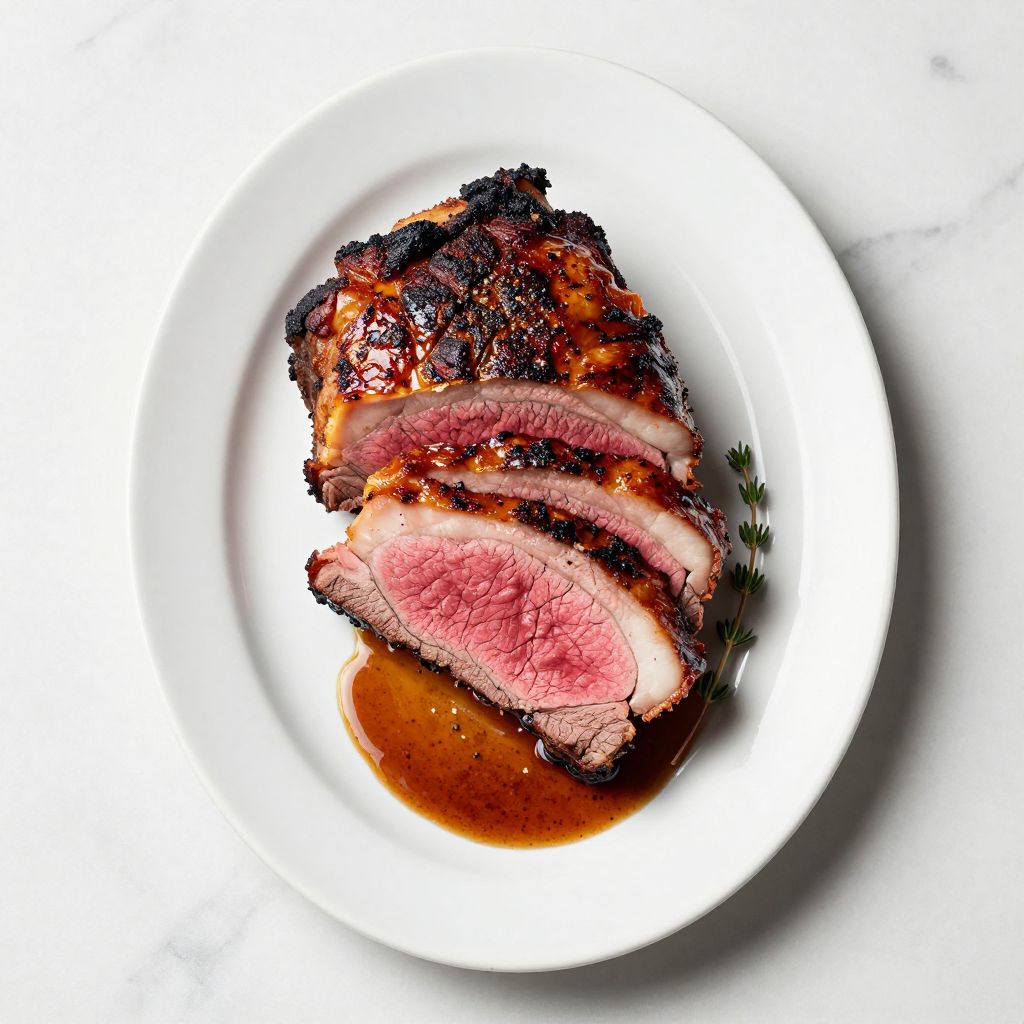
Smoked Chuck Roast
Ingredients
Equipment
Method
- Preheat the smoker to a steady 250°F (120°C) about 30 minutes before cooking.
- Pat the chuck roast dry with paper towels and trim excess hard fat, leaving a 1/4-inch fat cap.
- In a small bowl, combine paprika, brown sugar, black pepper, garlic powder, onion powder, kosher salt, cayenne pepper, and smoked paprika to make the dry rub.
- Coat the roast generously with the rub on all sides and let it sit at room temperature for 15 minutes.
- Place the roast on the smoker grates fat-cap side up. Insert a meat thermometer probe into the thickest part, close the smoker, and cook undisturbed for 2–3 hours.
- Maintain smoker temperature between 245°F and 255°F (118°C–124°C), adding hickory, oak, or pecan wood every hour during the first 3 hours.
- When the internal temperature reaches 165°F (74°C), remove the roast, place it on a double layer of aluminum foil, pour 1/2 cup beef broth over the meat, wrap tightly, and return to the smoker.
- Continue smoking until the internal temperature reaches 195°F–205°F (90°C–96°C), approximately 2–3 additional hours. Baste with melted butter every 2 hours before the wrap stage if desired.
- Remove the wrapped roast from the smoker and let it rest for at least 15 minutes. Unwrap carefully, slice against the grain into 1/4-inch slices, and serve hot.