Pork Chop Supreme is a restaurant-quality dish that lands on your dinner table in under an hour, combining juicy pork chops with a savory pan sauce that makes you wonder why you don’t cook this every week. This recipe pairs thick-cut pork with a rich, aromatic sauce built from pan drippings, garlic, and herbs that cling to every bite.
What makes this dish truly supreme is how simple ingredients transform into something elegant enough for company yet easy enough for a weeknight win. Let’s explore how to nail this classic at home.
Why You’ll Love This Recipe
This dish delivers restaurant flavor without the restaurant price tag or complexity. The pork stays tender and juicy while the sauce adds serious depth to every plate.
- Ready in 40 minutes from start to finish.
- Uses just one pan, making cleanup a breeze.
- Impressive enough to serve to guests, casual enough for family dinner.
- Accommodates various dietary needs with easy swaps.
- Leftovers taste even better the next day.
My Experience Making This Recipe
The first time I made Pork Chop Supreme, I was skeptical that such a simple process could yield something so restaurant-quality. Then I took that first bite and understood why this dish has stayed in my rotation for years.
My family gobbles these up faster than I can plate them, and guests always ask for the recipe afterward. The aroma alone fills your kitchen with something that smells like real cooking, the kind that makes people linger at the dinner table.
What I love most is the flexibility: some nights I’m in a hurry and use canned broth with fresh herbs, other times I simmer that sauce longer and add mushrooms or caramelized onions. The core technique stays foolproof every single time.
Recipe Overview
- Recipe Name: Pork Chop Supreme
- Servings: 4
- Prep Time: 10 minutes
- Cook Time: 30 minutes
- Total Time: 40 minutes
- Course: Main Course
- Cuisine: American
- Calories per Serving: 385
Equipment You Will Need
- Large stainless steel or cast-iron skillet (12-inch preferred)
- Instant-read meat thermometer
- Tongs
- Cutting board
- Chef’s knife
- Wooden spoon for stirring
- Measuring cups and spoons
- Small bowl for mixing
Ingredients for Pork Chop Supreme
- 4 bone-in pork chops, 1.5 inches thick (about 8 ounces each)
- 1 teaspoon kosher salt
- 1/2 teaspoon black pepper
- 2 tablespoons olive oil
- 4 cloves garlic, minced
- 1 cup chicken or vegetable broth
- 1/2 cup heavy cream
- 2 tablespoons Dijon mustard
- 1 tablespoon fresh thyme (or 1 teaspoon dried)
- 1 tablespoon fresh rosemary (or 1 teaspoon dried)
- 2 tablespoons unsalted butter
- 1/2 teaspoon smoked paprika
Ingredient Notes and Substitutions
- Bone-in pork chops stay more tender during cooking than boneless because the bone conducts heat slowly and protects the meat. You can substitute boneless chops, but reduce cooking time by 3-4 minutes and watch carefully to avoid drying them out.
- Heavy cream creates that luxurious sauce, but sour cream or Greek yogurt works as a substitute if you add it off-heat to prevent curdling. This changes the flavor slightly toward tanginess, which some prefer.
- Dijon mustard brings complexity and slight tang that deepens the sauce’s flavor profile. Whole grain mustard works as a substitute and adds texture, while yellow mustard gives a milder, sweeter note.
- Fresh herbs taste noticeably brighter than dried, but dried herbs work fine and actually concentrate flavors more. Use one-third the amount of dried herbs compared to fresh.
- Smoked paprika adds warmth and subtle smokiness, but regular paprika or Spanish paprika works if that’s what you have. The smoke adds dimension but isn’t absolutely critical to success.
How to Make Pork Chop Supreme
Step 1: Bring Pork to Room Temperature
Remove pork chops from the refrigerator 15-20 minutes before cooking and let them sit on the counter. This allows them to cook evenly throughout rather than developing a gray band between the outside and center.
Step 2: Season the Pork Chops
Pat the pork chops dry with paper towels, then season both sides generously with kosher salt, black pepper, and smoked paprika. Dry meat browns better and seasons more effectively than wet meat, creating that golden crust that locks in juices.
Step 3: Heat Your Skillet
Place your skillet over medium-high heat and add olive oil, letting it shimmer and almost smoke slightly. A properly preheated pan creates the ideal searing environment and prevents sticking.
Step 4: Sear the Pork Chops
Carefully place each pork chop in the hot skillet and resist the urge to move them for 4-5 minutes on the first side. This undisturbed time builds flavor through the Maillard reaction, creating a brown, crusty exterior that tastes incredible.
Flip the chops once and cook 3-4 minutes on the second side until they reach an internal temperature of 145 degrees Fahrenheit. The residual heat carries them to 150 degrees as they rest, which is perfectly moist but fully cooked.
Step 5: Rest the Pork Chops
Transfer the cooked pork chops to a warm plate and tent loosely with aluminum foil. Resting for 5 minutes allows carryover cooking to finish gently while the muscle fibers relax and reabsorb juices, keeping them tender.
Step 6: Build the Pan Sauce Base
Without removing the skillet from heat, add minced garlic and cook for 30 seconds until fragrant, stirring constantly. Fresh garlic burned in a hot pan tastes bitter, so this quick bloom releases its flavor without overdoing it.
Step 7: Create the Sauce
Pour in the broth and scrape the bottom of the pan with a wooden spoon, releasing all those caramelized bits stuck to the surface. These browned particles, called fond, contain concentrated flavor and make the difference between a flat sauce and one with depth.
Stir in the Dijon mustard, fresh thyme, and fresh rosemary, bringing the mixture to a gentle simmer. Let it bubble quietly for 3-4 minutes, reducing slightly and allowing flavors to meld together.
Step 8: Finish with Cream and Butter
Remove the skillet from heat and stir in the heavy cream and unsalted butter until fully combined. Taking the pan off heat first prevents the cream from curdling, which happens when added directly to a boiling liquid.
Return to low heat if needed and warm through gently for 1-2 minutes, stirring occasionally. The butter emulsifies into the sauce, creating a silky, rich texture that coats each ingredient beautifully.
Step 9: Plate and Serve
Arrange each pork chop on a dinner plate and pour the pan sauce over the top, making sure each plate gets some of those tender herbs and garlic pieces. The sauce should coat the meat and pool slightly on the plate, adding both flavor and visual appeal.
Pro Tip: Don’t skip the resting period after searing. Those 5 minutes make the difference between a dry, disappointing chop and one that stays juicy and tender through the entire meal.
Tips for the Best Pork Chop Supreme
- Use a meat thermometer rather than guessing doneness by touch or cut. Pork is safe at 145 degrees Fahrenheit, and a thermometer removes all guesswork and prevents both undercooked and overcooked results.
- Choose pork chops that are all roughly the same thickness so they cook evenly in the same amount of time. If they vary, pound thicker ones slightly before cooking.
- Don’t walk away once the chops hit the pan. The first side needs uninterrupted contact with heat to develop that golden crust, which takes exactly 4-5 minutes.
- Fresh herbs make a noticeably better sauce than dried herbs alone, but combining both gives you depth plus brightness. Fresh herbs added at the end stay vibrant, while dried herbs added earlier meld into the sauce.
- Let the sauce reduce by about one-quarter before adding cream, which concentrates flavors and prevents the sauce from tasting watered-down.
- Taste the sauce before serving and adjust seasoning with a pinch of salt or a squeeze of fresh lemon juice to brighten flavors.
Common Mistakes to Avoid
- Cooking from cold: Pork chops straight from the refrigerator cook unevenly, with the exterior overdone before the center reaches proper temperature. Always let them sit at room temperature for 15-20 minutes first.
- Flipping too early: Turning chops before they’ve developed a crust wastes that valuable browning time and creates a pale, less flavorful exterior. Resist the urge to fuss and let them sit undisturbed.
- Overcooking past 145 degrees: Many people cook pork to 160 degrees out of caution, but modern pork is safe at 145 degrees and stays far more tender and juicy at that temperature. A thermometer takes the guesswork out entirely.
- Skipping the fond: That stuck-on brown layer on the pan bottom tastes amazing and takes 30 seconds to release with broth and a spoon. Ignoring it means missing the deepest flavor in the entire dish.
- Adding cream to boiling liquid: Cream curdles and separates if added to a rolling boil, creating a broken, unappealing sauce. Always remove from heat first, then add cream, then warm gently if needed.
Serving Suggestions
This pork pairs beautifully with sides that either balance the richness or complement the savory sauce. Choose one or two sides depending on your appetite and what you have on hand.
- Creamy mashed potatoes soak up every drop of sauce and add comfort-food appeal.
- Roasted asparagus or green beans provide bright, fresh contrast to the rich, savory chop.
- Wild rice pilaf adds nuttiness and texture that stands up to the creamy sauce.
- A crisp green salad with vinaigrette cuts through the richness beautifully.
- Buttered egg noodles create a classic pairing that feels restaurant-quality yet simple.
Variations to Try
- Mushroom Pork Chop Supreme: Slice 8 ounces of mushrooms and sauté them in the pan before adding garlic, then proceed as normal. The earthy mushrooms add umami depth and make the dish feel even more luxurious.
- Apple and Sage Version: Swap rosemary for sage and add 1/2 cup diced apple during the sauce reduction stage. The sweetness balances the mustard and creates a slightly brighter flavor profile.
- Wine-Based Sauce: Replace half the broth with dry white wine and add 1 tablespoon of capers for a more sophisticated twist. The acidity from wine brightens the sauce considerably.
- Dijon and Tarragon: Use fresh tarragon instead of thyme and rosemary, and increase mustard to 3 tablespoons for a more French-inspired flavor. This version feels lighter and more herbaceous.
- Crispy Shallot Topping: Thinly slice shallots and fry them separately in butter until golden, then scatter over the plated dish. This adds textural contrast and a sweet, caramelized note.
Dietary Adaptations
- Gluten-free: This recipe is naturally gluten-free, but verify your broth and mustard labels for hidden gluten. All other ingredients are inherently gluten-free.
- Dairy-free: Substitute heavy cream with full-fat coconut milk or cashew cream, and use dairy-free butter or ghee instead of unsalted butter. The sauce stays creamy but tastes slightly different, with coconut adding subtle sweetness.
- Vegan: Replace pork chops with thick-cut portobello mushrooms or hearty plant-based steaks, and use vegetable broth with coconut milk plus olive oil instead of butter. The cooking time decreases slightly since mushrooms cook faster than meat.
- Low-carb/Keto: This recipe fits perfectly into keto eating as-is, with zero carbs from the main components. Pair with cauliflower mash or zucchini noodles instead of potatoes for a complete keto-friendly meal.
Storage and Reheating
Refrigerator
Store pork chops and sauce separately in airtight containers for up to 3 days. Separating them prevents the pork from absorbing too much liquid and becoming mushy.
- Keep in the coldest part of your refrigerator on the bottom shelf.
- Reheat gently over low heat on the stovetop rather than microwaving to preserve texture.
Freezer
Freeze cooked pork chops with sauce together in a freezer-safe container for up to 2 months. The sauce acts as a protective barrier and keeps the meat from drying out during freezing.
- Thaw overnight in the refrigerator before reheating.
- Frozen pork chops lose some texture quality, so eat within 2 months for best results.
Reheating
Place pork chops in a skillet over low to medium-low heat with a splash of broth if the sauce seems thick. Heat gently for 5-8 minutes until warmed through, stirring the sauce occasionally.
- Do not use high heat, which will toughen the pork further and potentially break the cream-based sauce.
- A microwave works in a pinch, but results in less even heating and loss of texture.
Nutrition Information
| Nutrient | Amount |
|---|---|
| Calories | 385 |
| Total Fat | 24g |
| Saturated Fat | 11g |
| Carbohydrates | 3g |
| Fiber | 0g |
| Sugar | 1g |
| Protein | 38g |
| Sodium | 720mg |
| Cholesterol | 125mg |
These values are calculated using USDA nutrient data and may vary slightly based on specific brands and portion sizes used.
Frequently Asked Questions
Can I use boneless pork chops instead?
Yes, boneless chops work but cook about 3-4 minutes faster since they’re thinner. Watch them carefully with a meat thermometer to avoid overcooking, as they dry out more easily without the bone’s insulating protection.
Can I make this dish ahead of time?
You can cook the pork chops and sauce ahead, then reheat gently over low heat before serving. For best results, store them separately so the pork doesn’t absorb too much liquid and become mushy.
Why is my sauce breaking or separating?
A broken sauce usually means the cream was added to boiling liquid or the pan was too hot when the cream went in. Always remove from heat before adding cream and warm very gently afterward.
How do I know when the pork is fully cooked?
Use an instant-read thermometer inserted into the thickest part of the chop without touching bone. Pork is safely cooked at 145 degrees Fahrenheit, at which point it’s still juicy and tender.
Can I use different herbs besides thyme and rosemary?
Absolutely. Sage, tarragon, oregano, or even fresh dill all work beautifully in this sauce. Use about 1 tablespoon of fresh herbs or 1 teaspoon dried, and swap based on what you enjoy or have available.
What if my pork chops are thinner than 1.5 inches?
Thinner chops cook in about 3 minutes per side instead of 4-5, so check the internal temperature earlier to avoid overcooking. Pounding them to even thickness before cooking helps them cook more uniformly.
Final Thoughts
Pork Chop Supreme delivers the kind of meal that makes your home smell like a fancy restaurant while keeping your actual effort minimal. Once you master the basic technique, you’ll find yourself making variations constantly because the foundation is so solid.
This dish proves that you don’t need complicated recipes or fancy ingredients to impress people or satisfy yourself. Try it this week and watch how something so simple becomes your go-to dinner solution.
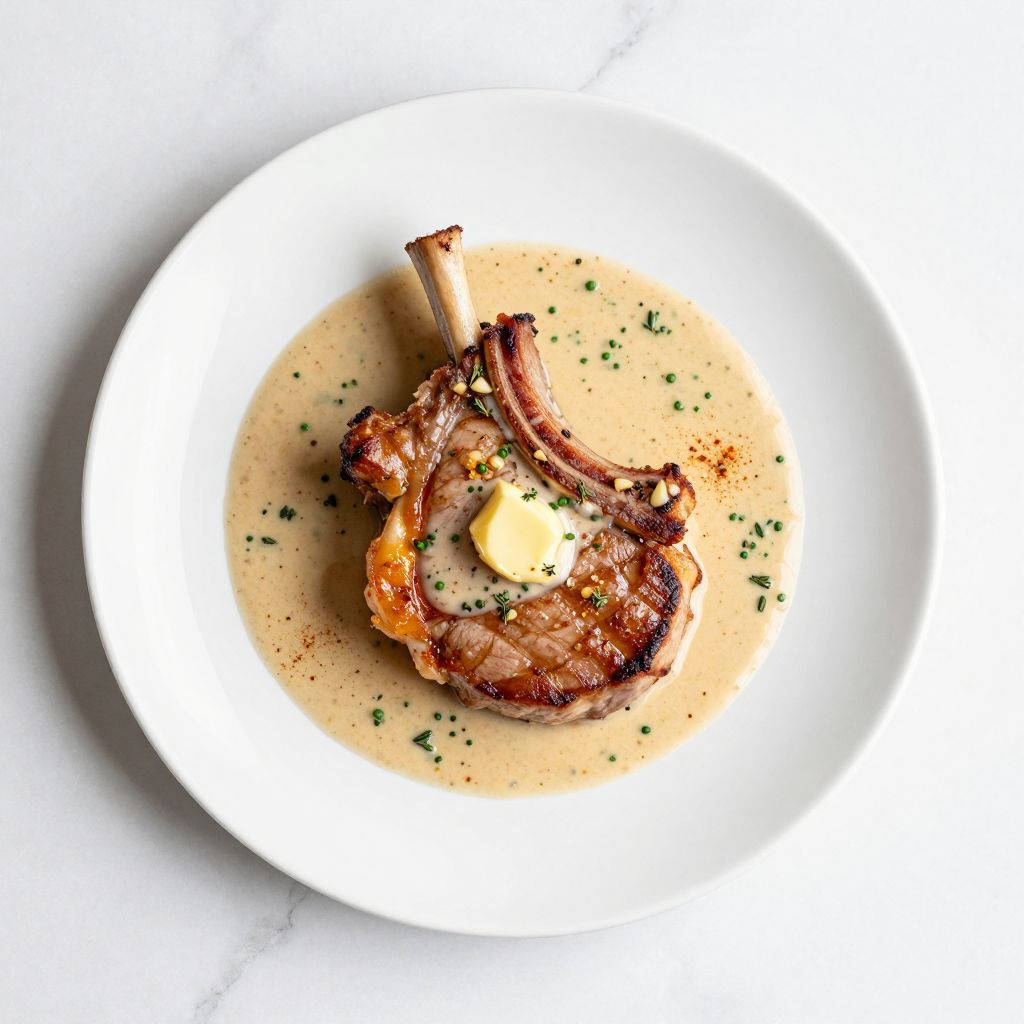
Pork Chop Supreme
Ingredients
Equipment
Method
- Remove pork chops from the refrigerator and let stand at room temperature for 15–20 minutes.
- Pat pork chops dry with paper towels; season both sides with kosher salt, black pepper, and smoked paprika.
- Heat a 12-inch skillet over medium-high heat; add olive oil until shimmering.
- Place pork chops in the hot skillet; sear without moving for 4–5 minutes until a deep golden crust forms.
- Flip chops and cook another 3–4 minutes, or until an instant-read thermometer registers 145°F in the thickest part.
- Transfer chops to a warm plate; tent loosely with foil and rest for 5 minutes.
- Add minced garlic to the skillet; cook 30 seconds, stirring constantly, until fragrant.
- Pour in broth, scraping up browned bits; stir in Dijon mustard, thyme, and rosemary. Simmer 3–4 minutes to reduce slightly.
- Remove skillet from heat; whisk in heavy cream and butter until smooth. Return to low heat for 1–2 minutes to thicken gently.
- Return pork chops to the skillet or plate chops and spoon sauce over each. Serve immediately.