French toast for 1 is the ultimate single-serving breakfast that transforms a couple of simple ingredients into something genuinely special.
This recipe delivers crispy, golden edges with a custardy center in about 10 minutes, making it perfect for a quiet morning or a quick date night breakfast at home.
You’ll learn the exact technique to get restaurant-quality results every time, plus how to customize it to match your mood.
Why You’ll Love This Recipe
Making French toast for just yourself means no waste, no fuss, and total control over how decadent you want to go.
- Ready in under 15 minutes from start to finish.
- Uses ingredients you likely have on hand right now.
- Scales perfectly if you suddenly need to feed two people instead of one.
- Works with any bread type, from challah to day-old sourdough.
- Endlessly customizable with toppings and flavor additions.
My Experience Making This Recipe
I started making single-serving French toast on lazy Sunday mornings when I realized cooking a full batch felt wasteful for just me. The first time I nailed the custard ratio, I got that perfect wobble in the center and heard the sizzle of the butter hitting a hot pan just right, and I was hooked.
What surprised me most was how the quality of the bread actually matters here. Using thick slices of day-old challah instead of fresh white bread completely changed the game, giving me that ideal contrast between the crispy exterior and the custardy inside.
My friends have started asking me to make this for them during brunch visits, which tells you everything you need to know about how impressive a simple technique executed well can be.
Recipe Overview
- Recipe Name: French Toast for 1
- Servings: 1
- Prep Time: 5 minutes
- Cook Time: 6 minutes
- Total Time: 11 minutes
- Course: Breakfast
- Cuisine: American/French
- Calories per Serving: 320
Equipment You Will Need
- Small shallow bowl or plate
- Fork or whisk
- 8-inch or 10-inch nonstick skillet or cast iron pan
- Spatula
- Plate for serving
Ingredients for French Toast for 1
- 2 slices of bread (1/2 to 3/4 inch thick)
- 1 large egg
- 3 tablespoons milk (whole or 2%)
- 1/2 teaspoon vanilla extract
- 1/4 teaspoon ground cinnamon
- Pinch of nutmeg (optional)
- Pinch of sea salt
- 1 tablespoon butter
- Optional: 1/4 teaspoon maple extract or 1/2 teaspoon honey
Ingredient Notes and Substitutions
- Egg: The egg is your binder and gives the custard its structure and richness. If you need a vegan option, use 3 tablespoons aquafaba (chickpea liquid) mixed with 1/2 teaspoon cornstarch instead, though the texture will be slightly less creamy.
- Milk: Whole milk creates the richest custard with the best texture. Almond or oat milk works if you’re dairy-free, but reduce the amount slightly to 2.5 tablespoons since plant-based milks are thinner.
- Bread: Day-old challah, brioche, or thick-cut white bread are ideal because they absorb the custard without falling apart. Thin sandwich bread will turn mushy, while thin sourdough may resist absorbing the mixture.
- Butter: Use real butter for flavor and browning power. Coconut oil works but gives a different taste that some people love and others find distracting.
- Cinnamon: Ground cinnamon is standard, but you could swap in pumpkin pie spice if you want extra warmth or omit it entirely for a more custard-forward flavor.
How to Make French Toast for 1
Step 1: Gather and Prepare Your Station
Pull out your shallow bowl, bread, egg, milk, and spices before you turn on any heat. Having everything ready means you can work quickly once the pan is hot, which prevents the bread from soaking too long and becoming soggy.
Step 2: Make the Custard Mixture
Crack your egg into the shallow bowl and whisk it together with the milk, vanilla extract, cinnamon, salt, and nutmeg if using. Whisk for about 30 seconds until the mixture is uniform and slightly pale, which means the egg is fully incorporated and will cook evenly.
Step 3: Heat the Pan and Butter
Place your skillet over medium heat and let it warm for 1 to 2 minutes. Once hot, add the butter and swirl it around the pan until it foams, which signals that the pan is the right temperature and ready to cook without sticking.
Step 4: Prepare the Bread
While the butter melts, place your bread slices on the counter. Make sure they’re at least 1/2 inch thick so they can soak up the custard without falling apart.
Step 5: Coat the Bread in Custard
Dip the first slice of bread into the custard mixture and let it sit for just 2 to 3 seconds on each side. The key here is speed: you want the bread to absorb the custard, not swim in it, so don’t oversoak or you’ll end up with a soggy, falling-apart mess.
Step 6: Cook the First Slice
Place the coated bread into the foaming butter immediately and cook for 2.5 to 3 minutes until the bottom is golden brown and slightly crispy. Resist the urge to move it around, which prevents a proper crust from forming and gives you those crispy edges you’re after.
Step 7: Flip and Cook the Second Side
Flip the bread gently using your spatula and cook the other side for 2 to 2.5 minutes until it matches the first side in color and crispness. You’ll notice the pan might need a bit of extra butter now, so add a tiny knob if the pan looks dry.
Step 8: Coat and Cook the Second Slice
While the first slice finishes cooking, dip the second slice into the remaining custard mixture using the same quick 2 to 3 second dipping method. Once the first slice is done, transfer it to your plate and immediately add the second slice to the hot pan with the remaining butter.
Step 9: Finish the Second Slice
Cook this slice for 2.5 to 3 minutes per side, using the same golden-brown rule as before. Once both slices are done, transfer them to your plate immediately so they don’t continue cooking on the residual heat.
Pro Tip: The difference between soggy and perfect French toast comes down to dipping time and pan temperature; quick dips in a hot pan create that signature contrast every single time.
Tips for the Best French Toast for 1
- Use day-old bread whenever possible because fresh bread absorbs too much custard and becomes mushy rather than custardy inside.
- Keep your pan at medium heat, not high, which prevents the outside from burning before the inside cooks through properly.
- Whisk your custard mixture well so the egg is evenly distributed, otherwise some spots will taste more eggy than others.
- Don’t skip the salt in the custard mixture; a tiny pinch brings out the sweetness of the egg and cinnamon in a way that makes people ask what your secret ingredient is.
- Let the butter foam before adding the bread so you get that nutty brown color that separates good French toast from mediocre.
- Serve immediately while the edges are still crispy because French toast cools and softens within a few minutes.
Common Mistakes to Avoid
- Over-soaking the bread will turn it into a wet sponge instead of a custardy centerpiece. Stick to 2 to 3 seconds per side maximum.
- Flipping too early or too many times prevents the bread from developing that golden crust you want and makes it stick to the pan.
- Using fresh, soft bread instead of day-old bread results in a mushy texture because the bread absorbs the custard unevenly and falls apart easily.
- Cooking on too high heat causes the outside to burn dark brown while the inside stays raw and eggy tasting.
- Adding toppings before serving means the heat from the French toast will melt them into a sad puddle instead of keeping them fresh and distinct.
Serving Suggestions
French toast for 1 is humble on its own but transforms with the right toppings served hot and fresh.
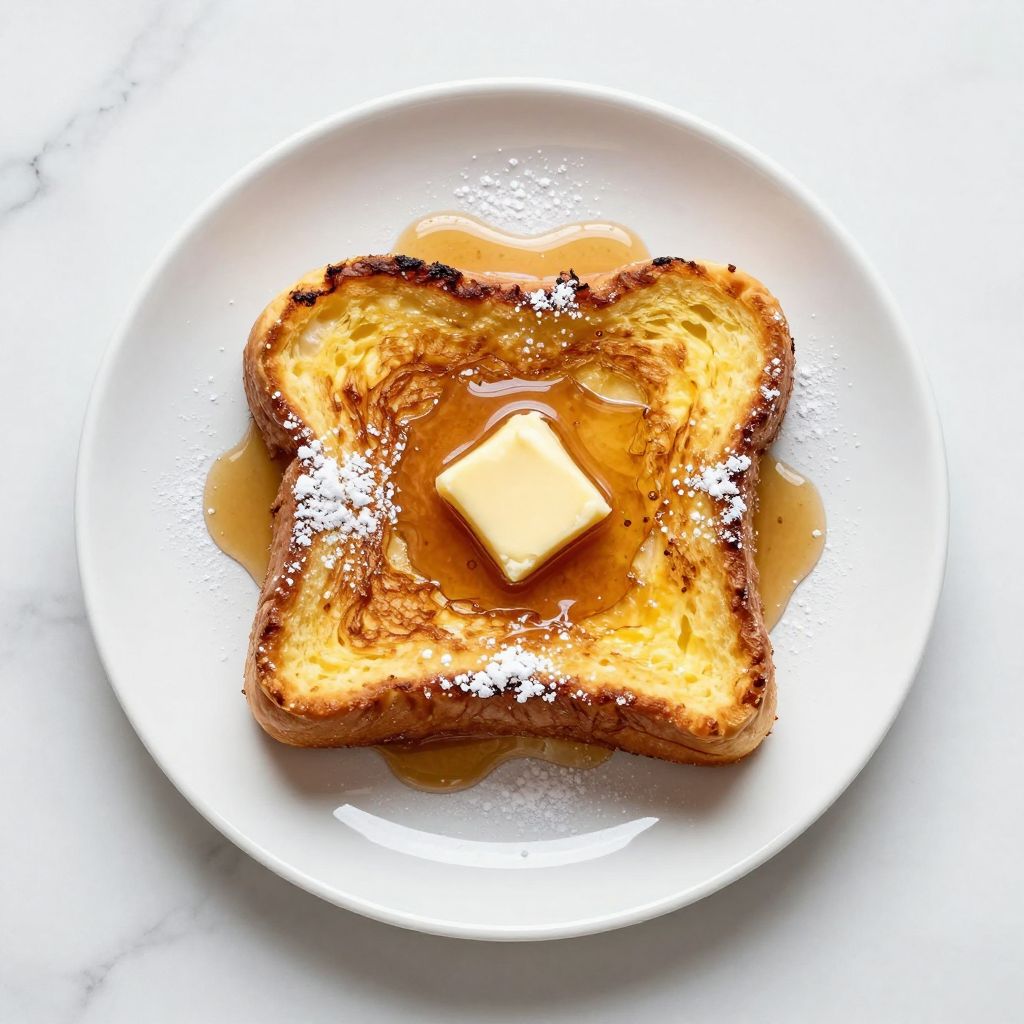
- Classic maple syrup with a pat of butter melting into the warm toast.
- Fresh berries, whipped cream, and a dusting of powdered sugar.
- Nutella and sliced bananas for a decadent chocolate-hazelnut version.
- Greek yogurt and granola for a protein-packed breakfast with a crunchy contrast.
- Cinnamon sugar and a drizzle of honey for extra warmth and sweetness.
Variations to Try
- Eggnog French Toast: Replace the milk with eggnog and omit the vanilla extract since eggnog already has vanilla. This version tastes like dessert for breakfast and works especially well during the holidays.
- Stuffed French Toast: Spread cream cheese and jam between two slices before dipping in custard, then cook as normal. The filling gets warm and gooey inside, giving you a pastry-like experience in a pan.
- Brown Butter French Toast: Let your butter brown in the pan for an extra minute before adding the bread so you get deeper, nuttier flavors.
- Pumpkin Spice Version: Add 1/4 teaspoon pumpkin pie spice and 1/2 teaspoon pumpkin puree to your custard for an autumn-inspired version that hits different in fall.
- Banana Foster French Toast: Caramelize a sliced banana in butter and brown sugar for 2 minutes, then serve it over your finished toast for an elegant upgrade.
Dietary Adaptations
- Gluten-Free: Use any gluten-free bread that’s sturdy enough to hold together when dipped, such as a thick-cut gluten-free brioche. The cooking time stays the same since the custard coating is what matters most.
- Dairy-Free: Replace milk with oat or almond milk and use dairy-free butter or coconut oil instead of regular butter. The texture will be slightly lighter, but the dish still works beautifully.
- Vegan: Substitute the egg with 3 tablespoons aquafaba mixed with 1/2 teaspoon cornstarch, use plant-based milk, and swap butter for coconut oil. The result is less rich but still delicious and satisfying.
- Low-Carb/Keto: Use keto bread or thick-cut zucchini slices instead of traditional bread, and add a sugar substitute like erythritol to your custard. Expect a different texture since the bread structure changes entirely, but it scratches the French toast itch.
Storage and Reheating
Refrigerator
French toast keeps in an airtight container for up to 3 days, though it’s best eaten within 24 hours while the interior stays custardy.
- Let it cool completely before storing to prevent condensation.
- Stack slices with parchment paper between them so they don’t stick together.
Freezer
You can freeze French toast for up to 2 months if you prepare it correctly.
- Freeze slices on a baking sheet before transferring to a freezer bag so they don’t stick together.
- Thaw overnight in the refrigerator before reheating.
Reheating
Reheat French toast in a 350 degree oven for 5 to 8 minutes until warmed through without drying out the custard center.
- A toaster oven on medium setting also works well for small portions.
- Avoid the microwave since it makes the texture rubbery and steamy rather than maintaining that crispy-custardy contrast.
Nutrition Information
| Nutrient | Amount |
|---|---|
| Calories | 320 |
| Total Fat | 16g |
| Saturated Fat | 8g |
| Carbohydrates | 35g |
| Fiber | 1g |
| Sugar | 8g |
| Protein | 8g |
| Sodium | 420mg |
| Cholesterol | 185mg |
These values are estimates based on standard ingredient quantities and may vary depending on your specific bread choice and cooking method.
Frequently Asked Questions
Can I make French toast for 1 the night before?
Yes, you can prepare it up to 24 hours ahead and reheat it in a 350 degree oven for 5 minutes. The custard center won’t be quite as soft as freshly made, but it still tastes excellent and saves you time in the morning.
What type of bread works best for French toast for 1?
Day-old challah, brioche, or thick-cut white bread are your best bets because they have enough structure to absorb the custard without disintegrating. Thin sandwich bread becomes mushy while dense breads like sourdough resist absorption.
Can I double this recipe easily?
Absolutely, simply double all the ingredient amounts and cook both slices together in the same pan if it’s large enough, or cook them in batches. The timing stays almost identical since you’re just cooking more bread in the same hot butter.
Why is my French toast coming out soggy instead of custardy?
You’re likely soaking the bread too long in the custard mixture or using pan heat that’s too low. Aim for 2 to 3 seconds per side in the custard and keep your pan at medium heat so it crisps properly.
Can I make the custard mixture ahead of time?
Yes, you can whisk it together up to 2 hours before cooking and store it in a small bowl in the refrigerator. Let it come back to room temperature for 5 minutes before dipping your bread so the temperature is consistent.
What’s the difference between French toast and eggy bread?
French toast relies on a custardy mixture with milk and vanilla extract that creates sweetness and richness, while eggy bread is typically just egg and bread. French toast tastes indulgent and dessert-like, whereas eggy bread is more savory and straightforward.
Final Thoughts
Making French toast for 1 taught me that the best cooking happens when you slow down and focus on technique rather than quantity. This recipe proves that cooking just for yourself isn’t a limitation, it’s an invitation to get the details right and actually enjoy the process.
Your next weekend morning is the perfect time to give this a try and see for yourself how a simple technique executed well transforms basic ingredients into something truly special. You’ll be amazed at how restaurant-quality this tastes once you nail that golden crust and custardy center.
French Toast for 1
Ingredients
Equipment
Method
- 1. Gather all ingredients and equipment before heating the pan to ensure a smooth workflow.
- 2. In a shallow bowl, whisk together the egg, milk, vanilla extract, ground cinnamon, sea salt, and nutmeg for about 30 seconds until fully combined.
- 3. Place an 8-inch skillet over medium heat for 1–2 minutes, then add the butter and swirl until it foams.
- 4. While the butter melts, position the bread slices nearby; use bread that is at least 1/2 inch thick.
- 5. Dip the first slice of bread into the custard for 2–3 seconds per side, allowing it to absorb without becoming soggy.
- 6. Immediately transfer the coated bread to the foaming butter and cook for 2.5–3 minutes, undisturbed, until the bottom is golden brown.
- 7. Flip the bread and cook the second side for 2–2.5 minutes until equally golden; add a small knob of butter if the pan becomes dry.
- 8. While the first slice finishes, dip the second slice in the remaining custard for 2–3 seconds per side, then cook it in the pan for 2.5–3 minutes per side.
- 9. Serve both slices immediately with your choice of toppings such as maple syrup, fresh berries, or powdered sugar.