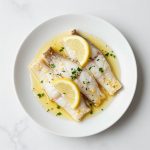
Monkfish is often called the “poor man’s lobster” for good reason: its sweet, firm flesh delivers luxury flavors without the luxury price tag. This recipe shows you how to cook monkfish to perfection, whether you’re pan-searing it, roasting it, or preparing it in a simple sauce. If you’ve never worked with this underrated fish before, you’re in for a treat.
Monkfish has a meaty texture that holds up beautifully to bold seasonings and cooking methods that would fall apart other white fish. Keep reading to discover why this recipe works, how to avoid common pitfalls, and how to serve your monkfish like a restaurant chef.
Why You’ll Love This Recipe
This monkfish recipe delivers restaurant-quality results in under 30 minutes with minimal fuss. The fish stays moist and flavorful, and the technique works for weeknight dinners or impressing guests.
- Quick cooking time: ready in 20 to 25 minutes from start to finish
- Minimal ingredients: just monkfish, butter, lemon, garlic, and aromatics
- Impressive plating: looks fancy but tastes even better
- Versatile: pair with any sides you love, from vegetables to grains
- Budget-friendly: costs less than lobster but tastes equally indulgent
My Experience Making This Recipe
I first cooked monkfish at a small French restaurant years ago and was hooked instantly. The chef showed me that monkfish’s dense texture means you can’t overcook it the way you might accidentally do with cod or sole.
When I made this at home, my partner asked if I’d ordered takeout because the aroma filled the entire kitchen with this incredible garlic and lemon perfume. The fish flaked perfectly, each piece tender and buttery, and the pan sauce clung to every morsel.
Since then, I’ve made it dozens of times and never once had a dud. The recipe is forgiving, the results are consistent, and it’s become my go-to when I want to feel fancy without spending two hours in the kitchen.
Recipe Overview
- Recipe Name: Pan-Seared Monkfish with Garlic Butter Sauce
- Servings: 4
- Prep Time: 10 minutes
- Cook Time: 15 minutes
- Total Time: 25 minutes
- Course: Main Course
- Cuisine: French-inspired
- Calories per Serving: 280
Equipment You Will Need
- Large stainless steel or cast iron skillet (12 inches)
- Instant-read meat thermometer
- Paper towels
- Tongs or a fish spatula
- Small saucepan for the pan sauce
- Cutting board and sharp knife
- Measuring spoons and cups
- Garlic press or mincer (optional)
Ingredients for Pan-Seared Monkfish
- Monkfish fillets: 1.5 pounds, patted dry
- Sea salt: 1 teaspoon
- Black pepper: 1/2 teaspoon, freshly ground
- Olive oil: 2 tablespoons
- Unsalted butter: 4 tablespoons, divided
- Garlic: 4 cloves, minced
- Fresh lemon juice: 3 tablespoons
- Dry white wine: 1/4 cup (optional but recommended)
- Fresh parsley: 2 tablespoons, chopped
- Thyme sprigs: 3 to 4
Ingredient Notes and Substitutions
- Monkfish fillets: Look for firm, pinkish-white flesh with no dark spots. If monkfish is unavailable, halibut or sea bass works as a substitute, though the texture will be slightly more delicate and cook time may need adjustment.
- Sea salt: Fine sea salt dissolves evenly and seasons more efficiently than table salt. Kosher salt is a fine substitute but use about 1.5 teaspoons since grains are larger and less dense.
- Olive oil: Use a light or regular olive oil that can handle heat, not extra virgin, which has a lower smoke point. Avocado oil or grapeseed oil work equally well.
- Unsalted butter: Unsalted butter gives you control over the final salt level and prevents the sauce from tasting too salty. Salted butter works but reduce the salt in step 1 to 1/2 teaspoon.
- Dry white wine: Sauvignon Blanc or Pinot Grigio add acidity and depth, but chicken or vegetable stock works if you skip the wine entirely.
- Fresh lemon juice: Fresh lemon brightens the dish and balances the butter; bottled juice will work but tastes slightly metallic by comparison.
How to Make Pan-Seared Monkfish
Step 1: Prepare the Monkfish
Remove your monkfish from the refrigerator 15 minutes before cooking so it reaches room temperature evenly. Pat each fillet completely dry with paper towels and season both sides generously with sea salt and freshly ground black pepper, making sure the seasoning adheres to the entire surface since it won’t stick to a wet fish.
Step 2: Heat the Skillet
Place your large skillet over medium-high heat and let it warm for 2 to 3 minutes. You’ll know it’s ready when a drop of water sizzles and evaporates immediately, which means the surface is hot enough to create a golden crust without sticking.
Step 3: Add Oil and Begin Searing
Add 2 tablespoons of olive oil to the hot skillet and swirl to coat the bottom evenly. Once the oil shimmers and moves quickly across the pan, gently lay the monkfish fillets away from your body to avoid splattering, then leave them untouched for 4 to 5 minutes so the bottom develops a beautiful golden crust.
Step 4: Sear the Second Side
Using tongs or a fish spatula, carefully flip each fillet and cook the other side for 3 to 4 minutes until it’s equally golden and the fish is cooked through. The monkfish is done when an instant-read thermometer inserted into the thickest part reads 145 degrees Fahrenheit, which is the safe internal temperature for fish.
Step 5: Remove the Monkfish and Make the Pan Sauce
Transfer the cooked monkfish to a clean plate and tent it loosely with foil to keep warm while you build the sauce. Return the skillet to medium heat and add 1 tablespoon of butter along with the minced garlic, stirring constantly for about 1 minute until the garlic becomes fragrant and softens slightly.
Step 6: Deglaze with Wine
Pour the white wine (or stock) into the skillet and use a wooden spoon to scrape up the browned bits stuck to the bottom, which is where all the deep, savory flavor lives. Let the liquid simmer for 2 minutes until it reduces by about half and the alcohol cooks off, concentrating the flavors.
Step 7: Finish the Sauce with Butter and Lemon
Remove the skillet from heat and whisk in the remaining 3 tablespoons of cold butter one piece at a time, which creates an emulsified, silky sauce instead of a greasy one. Stir in the fresh lemon juice and chopped parsley, then taste and adjust the salt and pepper as needed since the reduction may have intensified the flavors.
Step 8: Plate and Serve
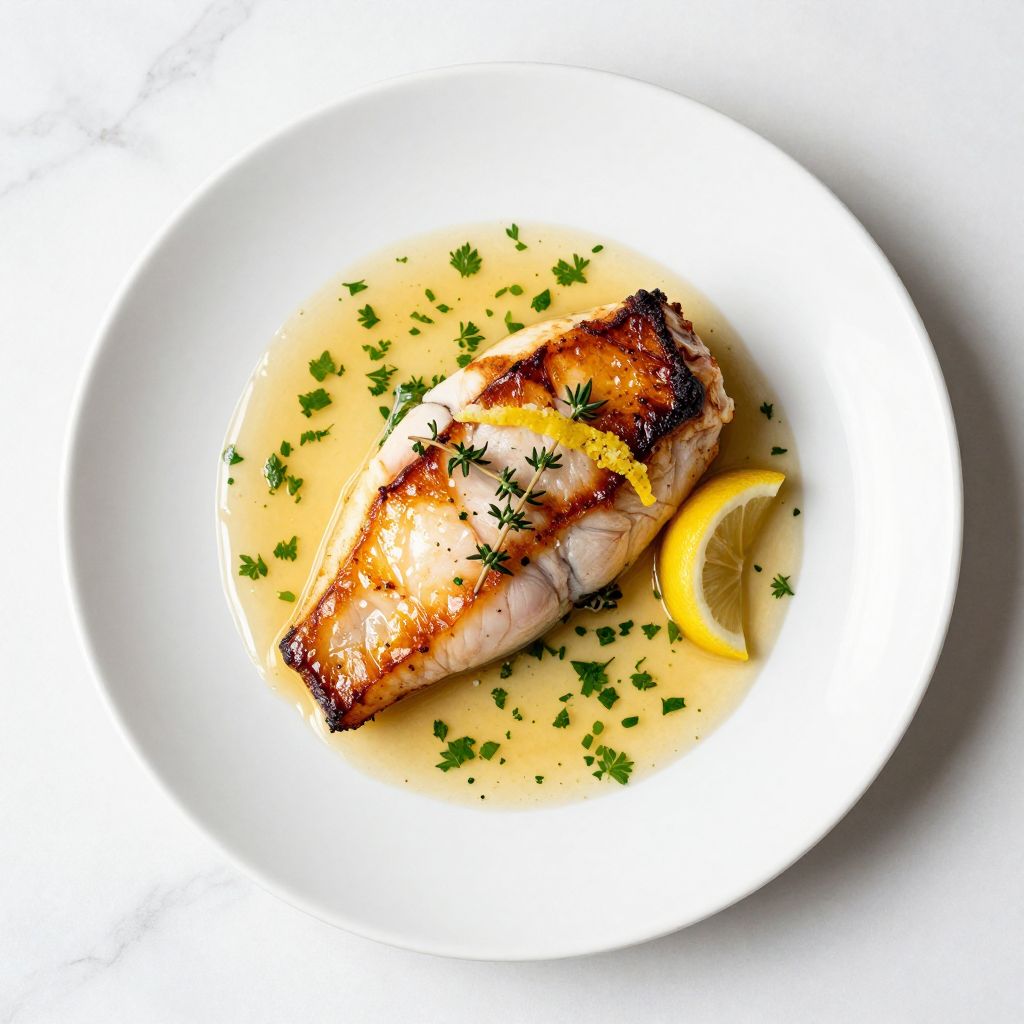
Divide the monkfish fillets among serving plates and spoon the garlic butter sauce generously over the top. Garnish with fresh thyme sprigs and a squeeze of additional lemon if you like, then serve immediately while the fish is hot and the sauce is glossy.
Pro Tip: Pat your monkfish completely dry before cooking; any moisture on the surface prevents browning and creates steam instead of that golden, caramelized crust you’re after.
Tips for the Best Pan-Seared Monkfish
- Use a meat thermometer to check doneness since monkfish’s meaty texture can fool you into thinking it’s not cooked when it actually is. Aim for exactly 145 degrees Fahrenheit in the thickest part.
- Don’t move the fillets around in the pan while they sear; resist the urge to poke and flip constantly since this breaks the crust. Leave them alone for 4 to 5 minutes per side and you’ll get restaurant results.
- Slice monkfish against the grain once it’s cooked if pieces seem tough; monkfish has a grain similar to meat and slicing against it makes each bite more tender.
- Make the sauce in the same pan where you seared the fish so all those browned bits dissolve and flavor the sauce. This technique is called deglazing and it’s the secret to restaurant-quality pan sauces.
- Add the cold butter off heat and whisk it in slowly so it emulsifies into a silky sauce instead of separating into greasy puddles. If your sauce breaks, whisk in 1 tablespoon of cold cream or stock to bring it back together.
- Taste the sauce before plating and adjust acidity and salt to your preference since every stove and pan cooks differently. A pinch more lemon or salt can make the difference between good and unforgettable.
Common Mistakes to Avoid
- Cooking monkfish straight from the fridge: cold fish cooks unevenly on the outside while the center stays cool. Let it sit at room temperature for 15 minutes so heat penetrates evenly.
- Skipping the drying step: wet fish steams instead of sears, and you’ll end up with pale, soggy results instead of a golden crust. Paper towels are your friend here.
- Overcrowding the pan: if you’re cooking more than two fillets, use two skillets or work in batches so each piece has room to sear. A crowded pan drops the temperature and creates steam rather than browning.
- Cooking the fish past 145 degrees: monkfish gets rubbery and dry if you push it beyond that point, so use a thermometer to be sure. Even 5 degrees over and you’ll notice a difference in texture.
- Ignoring the pan drippings: those browned bits are liquid gold for flavor, so always deglaze the pan and incorporate them into your sauce. They transform a simple butter sauce into something memorable.
Serving Suggestions
Monkfish pairs beautifully with bright, fresh sides that cut through the richness of the butter sauce. Think vegetables, grains, and light starches that let the fish shine without weighing down the plate.
- Roasted asparagus or green beans with a sprinkle of sea salt
- Creamy polenta or soft mashed potatoes to soak up the pan sauce
- Wild rice or farro pilaf with herbs
- Steamed baby potatoes dressed with herbs and a touch of olive oil
- A simple green salad dressed with lemon vinaigrette to add acidity and freshness
Variations to Try
- Mediterranean style: Add diced tomatoes, Kalamata olives, and capers to the pan sauce instead of wine and lemon for a brighter, saltier profile that feels like a trip to the Greek islands.
- Asian-inspired: Replace the wine with soy sauce and ginger, swap the parsley for cilantro, and add a squeeze of lime juice for an umami-rich sauce that transforms the dish completely.
- Herb-crusted: Mix panko breadcrumbs with fresh herbs, minced garlic, and lemon zest, press the mixture onto the fillets before searing, and finish in a 400-degree oven for 5 minutes for a crunchy exterior that contrasts with the tender fish.
- Lighter option: Skip the butter entirely and make a simple sauce with white wine, lemon, and fresh herbs like dill or tarragon for fewer calories without sacrificing flavor or sophistication.
- Rich and decadent: Stir a splash of heavy cream into the pan sauce after deglazing for a luxurious coating that makes this feel like a special occasion dinner.
Dietary Adaptations
- Gluten-free: This recipe is naturally gluten-free as written since monkfish contains no gluten and you’re not using any flour or breading. Just verify that any stock or wine you use doesn’t contain hidden gluten.
- Dairy-free: Replace the butter with olive oil or coconut oil in equal amounts and skip the final butter enrichment step; the sauce will be thinner but still delicious and the lemon-wine reduction provides plenty of flavor.
- Vegan: Substitute monkfish with firm tofu pressed and seared the same way, though cooking time drops to 2 to 3 minutes per side; use olive oil and plant-based butter or coconut oil for the sauce.
- Low-carb and keto: This recipe fits perfectly into both diets since monkfish is pure protein and fat with zero carbs; serve with roasted vegetables or cauliflower rice instead of starches.
Storage and Reheating
Refrigerator
Store leftover monkfish in an airtight container on the coldest shelf of your refrigerator for up to 2 days. The fish and sauce keep separately if you prefer; just store them in the same container to save space.
- Let the fish cool to room temperature before refrigerating so condensation doesn’t make it soggy
- Consume within 2 days for best quality and food safety
Freezer
Monkfish freezes well for up to 3 months if stored properly in an airtight, freezer-safe container. Freeze the fish and sauce together or separately depending on how you plan to use them later.
- Cool completely before freezing
- Use within 3 months for best texture
Reheating
Reheat gently in a 350-degree oven for 8 to 10 minutes covered with foil, which warms the fish evenly without drying it out. Alternatively, reheat in a skillet over low heat with a splash of water or stock for 5 to 6 minutes, stirring occasionally.
- Avoid the microwave since it tends to overcook fish and make it rubbery
- Add a splash of water or stock if the sauce seems dry after reheating
Nutrition Information
| Nutrient | Amount |
|---|---|
| Calories | 280 |
| Total Fat | 14 grams |
| Saturated Fat | 7 grams |
| Carbohydrates | 2 grams |
| Fiber | 0 grams |
| Sugar | 0 grams |
| Protein | 34 grams |
| Sodium | 520 milligrams |
| Cholesterol | 42 milligrams |
The nutrition values above are estimates based on standard ingredients and serving sizes. Individual results may vary depending on specific brands and preparation methods used in your kitchen.
Frequently Asked Questions
Where can I buy monkfish and how do I select the best fillets?
Look for monkfish at specialty seafood counters or well-stocked grocery stores; ask your fishmonger to remove the membrane that covers the fillets since it’s tough and unpleasant to eat. Choose fillets that are firm, pinkish-white, and smell like fresh ocean without any fishy or ammonia odor.
Can I make this recipe ahead of time?
You can prepare all the ingredients up to 4 hours ahead and store them separately, but cook the monkfish just before serving since it’s best enjoyed hot and fresh. The pan sauce can be made 30 minutes ahead and reheated gently before serving.
What should I do if I can’t find monkfish at my store?
Halibut, sea bass, or mahi-mahi are the best substitutes since they have similarly firm flesh that holds up to searing and sauces. Cooking time may be slightly shorter for thinner fillets, so check doneness at the lower end of the time range.
Why is my pan sauce breaking or looking greasy?
This happens when you add cold butter too quickly or the pan is too hot; always whisk in cold butter off heat and do it slowly for a silky emulsion. If it does break, whisk in 1 tablespoon of cold cream or stock to bring it back together.
Can I grill monkfish instead of pan-searing it?
Yes, monkfish’s firm texture makes it excellent for grilling; preheat your grill to medium-high, oil the grates well, and cook for 4 to 5 minutes per side. You can still make the pan sauce on the stovetop using the same technique, just deglaze a skillet instead of your grill.
How do I know for certain when monkfish is done cooking?
An instant-read thermometer inserted into the thickest part should read 145°F. This ensures the fish is cooked through while staying moist and tender.
Pan-Seared Monkfish with Garlic Butter Sauce
Ingredients
Equipment
Method
- Remove monkfish from the refrigerator 15 minutes before cooking. Pat completely dry with paper towels and season both sides with sea salt and black pepper.
- Place a 12-inch skillet over medium-high heat for 2–3 minutes until a drop of water sizzles instantly.
- Add olive oil and swirl to coat. When the oil shimmers, lay the seasoned monkfish fillets in the pan, presentation-side down, away from you.
- Sear undisturbed for 4–5 minutes until the underside is deep golden brown.
- Flip the fillets with tongs or a fish spatula and cook the second side 3–4 minutes, or until an instant-read thermometer in the thickest part registers 145 °F.
- Transfer monkfish to a plate and tent loosely with foil.
- Reduce heat to medium. Add 1 tablespoon butter to the skillet followed by minced garlic; sauté 1 minute until fragrant, stirring constantly.
- Pour in white wine (or stock) and scrape up browned bits. Simmer 2 minutes until reduced by half.
- Remove skillet from heat. Whisk in the remaining 3 tablespoons cold butter, one piece at a time, to emulsify. Stir in lemon juice and chopped parsley; taste and adjust seasoning.
- Plate monkfish, spoon garlic-butter sauce over each fillet, garnish with thyme sprigs and an extra squeeze of lemon, and serve immediately.