Creme fraiche recipe yields a luxurious, tangy French cream that transforms everything from desserts to savory dishes in minutes. Making it at home costs a fraction of store prices and tastes infinitely fresher than anything shelf-stable.
You need just two ingredients and patience to craft this silky, spoonable magic.
Why You’ll Love This Recipe
Homemade creme fraiche outshines store-bought versions with its velvety texture and bright, complex flavor. You control the tang level, save money, and avoid weird additives or stabilizers.
- Takes only five minutes of hands-on work, then rests overnight.
- Two ingredients you probably already have in your kitchen.
- Costs roughly one-third the price of premium store brands.
- Stays fresh in your fridge for up to three weeks.
- Perfect for topping soups, baked potatoes, berries, or cakes with elegance.
My Experience Making This Recipe
I first made creme fraiche on a whim after reading about it in a French cookbook, skeptical that something so good could come from sitting cream on a counter. Twenty-four hours later, I tasted the result and felt foolish for ever buying the expensive jar version.
My friends stopped asking what I was serving on my baked potatoes because the answer became obviously not sour cream. The subtle tang and luxurious mouthfeel changed how I thought about simple toppings forever.
Now I keep a jar perpetually cycling through my fridge, using it faster than I can make it. I’ve stopped buying commercial versions entirely.
Recipe Overview
- Recipe Name: Creme Fraiche
- Servings: Makes 1 cup
- Prep Time: 5 minutes
- Rest Time: 8 to 24 hours
- Total Time: 8 to 24 hours
- Course: Condiment
- Cuisine: French
- Calories per Serving: 48 calories per tablespoon
Equipment You Will Need
- One clean glass jar with a tight-fitting lid
- One kitchen thermometer (optional but helpful)
- One whisk or spoon for stirring
- Cheesecloth or fine mesh strainer (optional, for thickening)
Ingredients for Creme Fraiche Recipe
- 1 cup heavy cream (preferably not ultra-pasteurized)
- 2 tablespoons buttermilk or fresh lemon juice or sour cream
Ingredient Notes and Substitutions
- Heavy cream forms the base and provides the fat needed for that silky texture; heavy whipping cream works identically. If you only find ultra-pasteurized cream, the fermentation may be slower, so add a touch more buttermilk to speed things along.
- Buttermilk contains live cultures that kickstart fermentation and create tang; sour cream or fresh lemon juice substitute well if you lack buttermilk. Lemon juice will taste sharper and less complex than the cultured versions, but still yields a delicious result.
How to Make Creme Fraiche Recipe
Step 1: Choose Your Cream
Pour one cup of heavy cream into a clean glass jar, avoiding ultra-pasteurized versions if possible. Ultra-pasteurized cream has been heated to such high temperatures that the beneficial bacteria struggle to ferment it, though it still works with patience.
Step 2: Add the Culturing Agent
Stir in two tablespoons of buttermilk, fresh lemon juice, or sour cream directly into the cream. Mix thoroughly for about one minute to distribute the cultures evenly throughout the cream.
Step 3: Cover and Rest
Screw the lid onto the jar loosely, leaving it slightly ajar to allow air circulation. Place the jar on your kitchen counter away from direct sunlight and drafts.
Step 4: Let Fermentation Begin
Leave the jar undisturbed at room temperature (ideally between 68 and 72 degrees Fahrenheit) for eight to twenty-four hours. Warmer kitchens ferment faster, while cooler ones need more time.
Step 5: Check for Readiness
After eight hours, tilt the jar gently to see if the cream has thickened noticeably. The mixture should coat the sides of the jar slightly and move slowly when tilted, like thick pudding.
Step 6: Taste for Tanginess
Dip a clean spoon into the mixture and taste a small amount to check the tang level. If you prefer sharper flavor, let it sit another four to eight hours; stop when it reaches your preference.
Step 7: Stir One Final Time
Give the creme fraiche a gentle stir with a whisk to distribute any liquid that may have separated on top. This step creates a uniform, creamy texture.
Step 8: Seal and Refrigerate
Screw the lid on tightly and move the jar to your refrigerator immediately once fermentation reaches your desired level. The cold stops fermentation and the creme fraiche continues to thicken slightly over the next few days.
Pro Tip: Room temperature matters more than time; a warmer kitchen yields creme fraiche in eight hours, while a chilly kitchen may need the full twenty-four hours, so trust visual and taste cues over the clock.
Tips for the Best Creme Fraiche Recipe
- Use non-ultra-pasteurized cream whenever possible for faster, more reliable fermentation with complex flavor. If only ultra-pasteurized is available, add an extra tablespoon of buttermilk to boost the culturing power.
- Keep your jar and spoon scrupulously clean before starting to prevent unwanted bacteria from competing with your cultures. A quick rinse with hot water works fine since you will not be eating the jar.
- Room temperature consistency matters far more than exact timing. Colder kitchens take longer, so be patient rather than forcing fermentation with heating methods.
- Taste it daily after hour eight to catch your preferred level of tang. Stop fermentation the moment it hits your target, then refrigerate immediately.
- If liquid separates on top after fermentation, whisk it back in or drain it off depending on how thick you want your final product. Some people prefer thinner creme fraiche for pouring over soup.
- Store your finished creme fraiche in the original jar with the lid sealed tight to maximize freshness and minimize contamination from air exposure.
Common Mistakes to Avoid
- Using ultra-pasteurized cream without extra buttermilk will slow fermentation dramatically or stop it entirely. The high heat kills most beneficial bacteria, so boost the culture addition if that is your only option.
- Fermenting in a location that is too warm accelerates the process beyond your control and can create off-flavors or curdling. Stick to a normal kitchen counter temperature between 68 and 72 degrees.
- Failing to keep equipment clean invites unwanted molds or bacteria that spoil your batch before fermentation finishes. Take thirty seconds to rinse your jar and spoon with hot water before using.
- Refrigerating too early stops fermentation and leaves you with slightly thin, less tangy creme fraiche. Wait until you reach your preferred flavor level, then chill immediately.
- Sealing the jar completely during fermentation can trap gases and create pressure that forces the lid off. Keep the lid slightly loose until fermentation finishes, then tighten it before refrigerating.
Serving Suggestions
Creme fraiche elevates simple foods into restaurant-quality dishes without much effort. Spoon it generously over anything from baked potatoes to chocolate cake.
- Dollop onto hot baked potatoes with chives and crispy bacon for a diner-style feast.
- Top fresh berries or stone fruit with a spoonful and a sprinkle of brown sugar for an instant dessert.
- Swirl into creamy soups like tomato bisque or mushroom soup just before serving for richness and tang.
- Spread on warm pancakes or waffles as a sophisticated alternative to whipped cream or sour cream.
- Serve alongside smoked salmon and bagels with fresh dill for an elegant breakfast or brunch.
Variations to Try
- Herb creme fraiche: Fold fresh chives, dill, tarragon, or parsley into finished creme fraiche for a savory topping perfect with roasted vegetables or fish. The herbs add freshness and visual appeal without changing the fermentation process.
- Honey sweetened version: Swirl raw honey or maple syrup into creme fraiche just before serving for a dessert topping that works beautifully over berries or warm pie. The sweetness balances the tang perfectly.
- Lemon or lime creme fraiche: Add fresh lemon or lime zest and a squeeze of juice after fermentation completes for a bright, citrusy version. This pairing works especially well with chocolate desserts or fresh fruit.
- Spiced creme fraiche: Stir in cinnamon, cardamom, or nutmeg for a warming variation perfect over apple crisps or pumpkin desserts. Start with a quarter teaspoon of spice and taste before adding more.
- Vanilla bean creme fraiche: Split a vanilla bean, scrape the seeds, and fold them into finished creme fraiche for an elegant dessert topping. The flecks look beautiful and the vanilla adds subtle sweetness.
Dietary Adaptations
- Gluten-free: Creme fraiche is naturally gluten-free since it contains only cream and buttermilk or lemon juice. Always verify that your buttermilk brand is certified gluten-free if you have celiac disease.
- Dairy-free: This recipe cannot easily be made without dairy since fermented cream is inherently a dairy product. Coconut cream fermentation exists but produces a different texture and flavor, not a true creme fraiche substitute.
- Vegan: Coconut cream fermented with vegan yogurt starter or probiotic powder creates a similar tangy product, though the texture and flavor differ from dairy creme fraiche. The coconut version works well for baking but tastes distinctly different in savory applications.
- Low-carb and keto: Creme fraiche contains minimal carbohydrates and fits perfectly into low-carb or keto diets as a rich, satisfying topping. One tablespoon contains less than one gram of carbs, making it an excellent choice for these eating patterns.
Storage and Reheating
Refrigerator
Store finished creme fraiche in a sealed glass jar on a shelf in your refrigerator, not on the door where temperature fluctuates. Properly stored creme fraiche keeps fresh for up to three weeks, developing slightly deeper tang as days pass.
- Keep the jar sealed tightly between uses to prevent contamination.
- Do not dip a wet spoon into the jar, as water introduces bacteria and reduces shelf life.
- Discard immediately if you notice any pink, green, or fuzzy growth, which indicates unwanted mold.
Freezer
Creme fraiche freezes reasonably well for up to three months, though the texture separates slightly upon thawing. Freezing works best for creme fraiche you plan to cook with rather than serve as a topping.
- Freeze in ice cube trays first, then transfer cubes to a freezer bag for easy portioning.
- Expect some separation of liquid from cream after thawing, so whisk well before using.
- Thaw in the refrigerator overnight rather than at room temperature to maintain food safety.
Reheating
Creme fraiche is not traditionally heated, but you can warm it gently in a saucepan over low heat if needed for cooking. Never boil creme fraiche, as high heat causes curdling and breaks the creamy texture irreversibly.
- Stir constantly if warming for a sauce or soup to distribute heat evenly.
- Add creme fraiche at the very end of cooking, after removing the pan from heat, for maximum flavor preservation.
- Cold creme fraiche works best for topping hot dishes, creating beautiful temperature contrast and texture appeal.
Nutrition Information
| Nutrient | Amount |
|---|---|
| Calories | 48 per tablespoon |
| Total Fat | 5 grams |
| Saturated Fat | 3.5 grams |
| Carbohydrates | 0.5 grams |
| Fiber | 0 grams |
| Sugar | 0.5 grams |
| Protein | 0.3 grams |
| Sodium | 5 milligrams |
| Cholesterol | 20 milligrams |
Nutrition values are approximate and based on standard heavy cream and buttermilk, varying slightly by brand and fermentation time. Homemade creme fraiche contains no added stabilizers, thickeners, or preservatives found in commercial versions.
Frequently Asked Questions
Can I use sour cream instead of buttermilk to culture my creme fraiche?
Yes, sour cream works well since it contains the same lactic acid bacteria that ferment cream. You will get slightly different flavor notes but a successful batch.
How do I know when my creme fraiche is done fermenting?
Tilt the jar gently and watch how the mixture moves. It should coat the sides thickly and move slowly, coating like pudding rather than flowing like cream, and taste pleasantly tangy rather than neutral.
What if my creme fraiche never thickens?
Ultra-pasteurized cream lacks enough living bacteria to ferment reliably. Try again with regular pasteurized cream or add extra buttermilk to boost the culture strength next time.
Can I culture creme fraiche in the refrigerator instead of on the counter?
Fermentation requires warm temperatures to occur at a reasonable pace, so refrigerating will halt the process entirely. Keep it on your counter at room temperature for proper fermentation.
Is homemade creme fraiche safe to eat if I leave it at room temperature during fermentation?
Yes, creme fraiche is cultured, meaning the beneficial bacteria create an acidic environment that prevents harmful pathogens from growing. This is why it is safe to ferment on the counter and why it keeps so long refrigerated.
Can I make creme fraiche with light cream instead of heavy cream?
Light cream contains less fat and produces a thinner result that never reaches the silky texture of traditional creme fraiche. Use heavy cream for the best outcome, though light cream will still ferment into something usable.
Why does my creme fraiche taste sour or vinegary?
Over-fermentation creates excessive lactic acid, which tastes sharp and unpleasant. Stop fermentation earlier next time by refrigerating after twelve hours rather than waiting the full twenty-four.
Final Thoughts
Making creme fraiche at home ranks among the easiest kitchen projects that yields the most impressive results. You will wonder why you spent years buying expensive jars when such magic happens on your counter with two ingredients and patience.
Start a batch tonight and taste the difference fresh, homemade creme fraiche brings to your everyday meals. Your baked potatoes, berries, and soups will never taste quite the same.
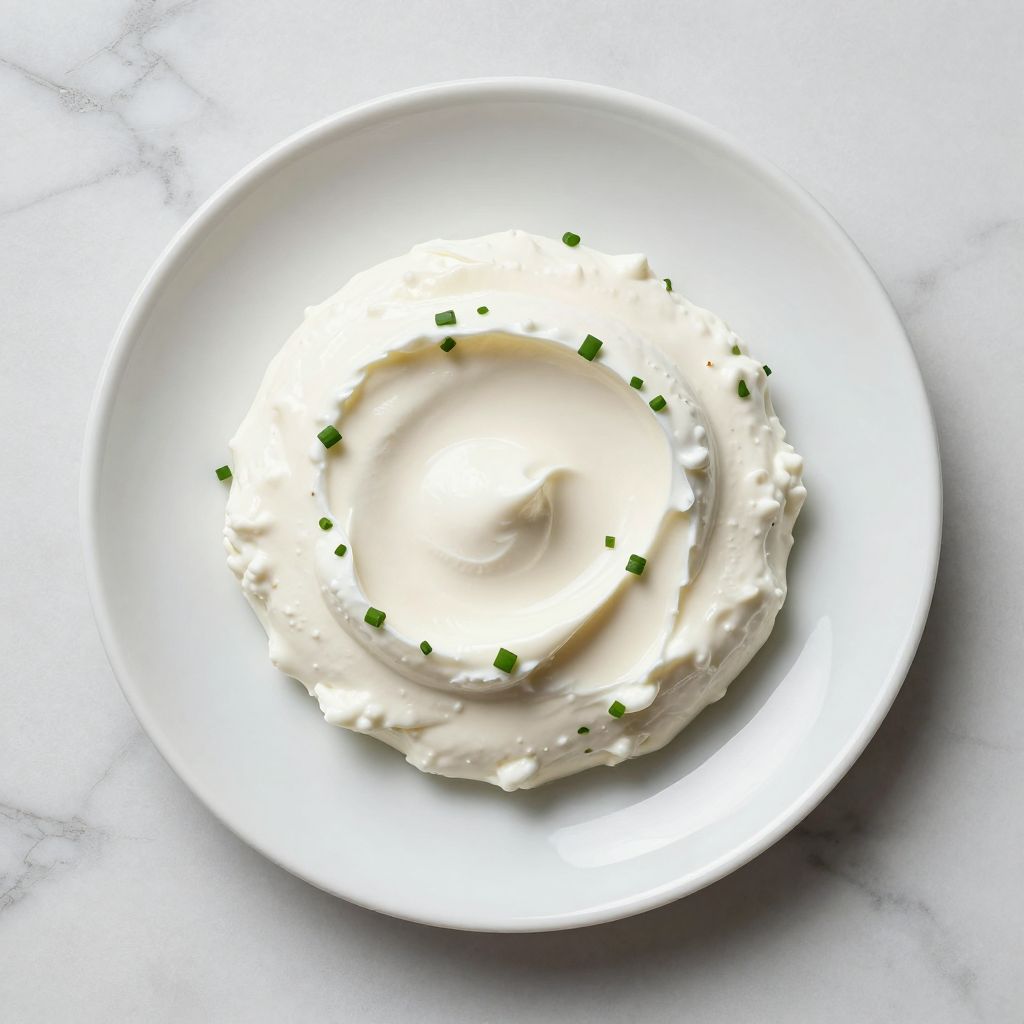
Creme Fraiche
Ingredients
Equipment
Method
- Pour the heavy cream into a clean glass jar.
- Add the buttermilk (or lemon juice or sour cream) to the jar.
- Whisk or stir for about 1 minute until fully combined.
- Loosely place the lid on the jar to allow air circulation.
- Leave the jar at room temperature (68–72°F) undisturbed for 8–24 hours until the mixture thickens to a pudding-like consistency.
- Taste for desired tang; once satisfied, stir gently to even out the texture.
- Tighten the lid and refrigerate immediately. The creme fraiche will thicken slightly more as it chills.