Ginger bug is a traditional fermented ginger syrup that transforms into a fizzy, spiced drink when mixed with sparkling water or used in cocktails. This naturally carbonated concentrate bursts with fresh ginger heat, warm spices, and a tangy fermented complexity that store-bought ginger ale can’t match.
Making ginger bug at home takes just five days and requires only basic pantry ingredients, no special equipment, and zero advanced fermentation knowledge. The result is a versatile, probiotic-rich syrup that lasts for weeks in your fridge.
Why You’ll Love This Recipe
Ginger bug delivers authentic flavor, live cultures, and the satisfaction of creating something genuinely special in your own kitchen. Once you’ve made it once, you’ll keep a batch going year-round.
- No special equipment needed beyond a glass jar and cheesecloth.
- Ready in five days with just five minutes of hands-on work per day.
- Creates live fermented cultures that support digestion and gut health.
- One batch makes enough syrup for 10 to 15 drinks, so it’s incredibly economical.
- Completely customizable: add turmeric, cardamom, or star anise to shift the flavor profile.
My Experience Making This Recipe
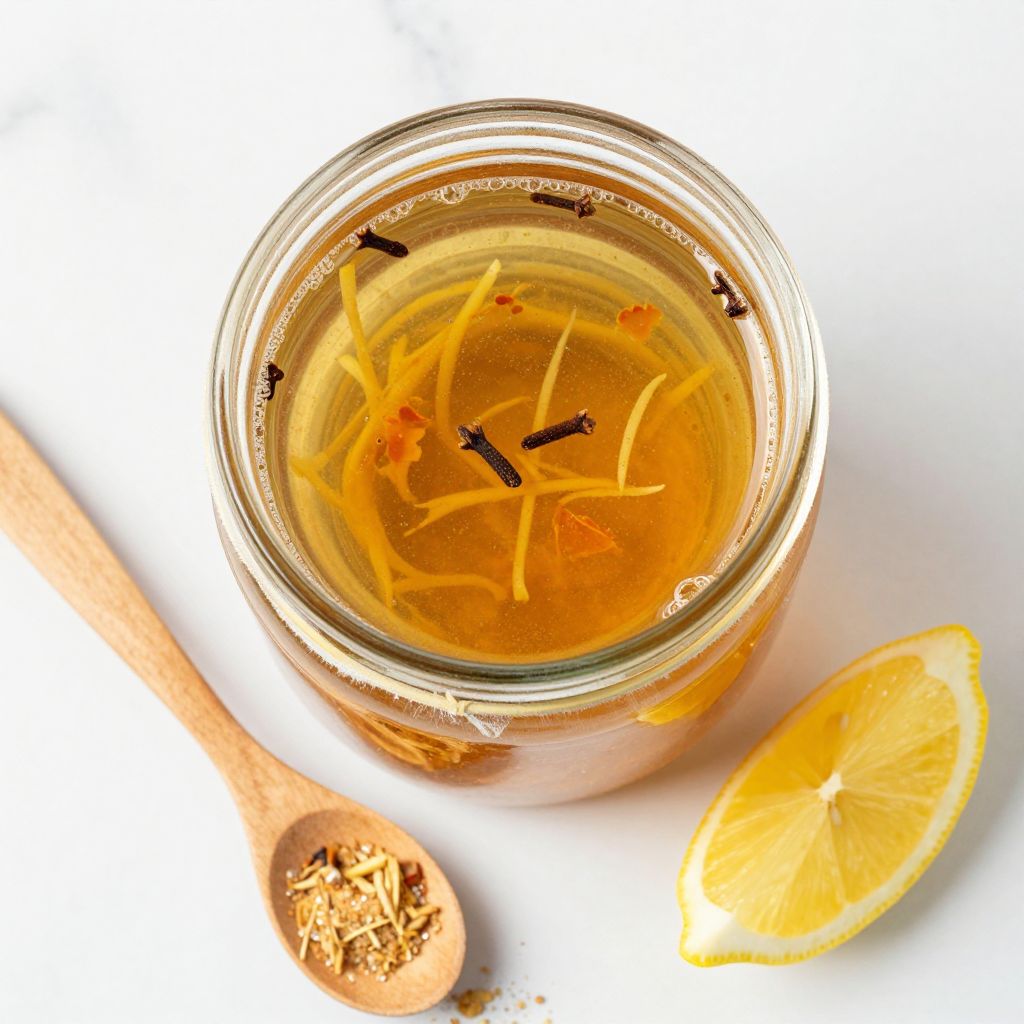
I first made ginger bug on a whim during a particularly cold winter, thinking I’d created some weird kitchen science experiment. By day three, when I peeked under the cheesecloth and saw vigorous bubbling and a light film forming on top, I realized I’d accidentally trapped living fermentation happening right before my eyes.
The smell was intoxicating: funky, spicy, and alive in a way that felt almost mystical. When I finally strained it and mixed a spoonful with sparkling water, the fizz was immediate and genuinely exciting, like I’d bottled lightning.
Friends who tried it were amazed that something so refreshing and complex came from my kitchen rather than a craft soda brand. Now I make it in batches and gift small bottles to people who appreciate food that has actual personality and history behind it.
Recipe Overview
- Recipe Name: Ginger Bug
- Servings: Makes approximately 1 cup of concentrate (10 to 15 servings as a drink)
- Prep Time: 15 minutes
- Fermentation Time: 5 days
- Total Time: 5 days and 15 minutes
- Course: Beverage
- Cuisine: Colonial/British
- Calories per Serving: 15 (syrup only, before dilution)
Equipment You Will Need
- One quart-sized glass jar (or similar, around 32 ounces).
- Cheesecloth or coffee filter.
- Rubber band or jar ring to secure the cloth.
- Wooden or plastic spoon for stirring (avoid metal, which can react with fermentation).
- Fine-mesh strainer or sieve.
- Microplane grater or box grater for fresh ginger.
- Measuring spoons and cups.
- Small glass bottles for storage (optional but handy).
Ingredients for Ginger Bug
For the Base Ferment
- Fresh ginger root: 3 tablespoons, grated (about 1.5 ounces unpeeled)
- Organic sugar: 3 tablespoons
- Fresh lemon juice: 3 tablespoons (about half a lemon)
- Filtered or dechlorinated water: 2 cups (chlorine inhibits fermentation)
- Whole spices: 1/4 teaspoon each of ground turmeric, dried ginger, and cloves (optional but recommended)
Daily Feedings (Days 2 Through 5)
- Fresh ginger root: 1 tablespoon grated per day
- Organic sugar: 1 tablespoon per day
Ingredient Notes and Substitutions
- Fresh ginger root: Provides enzymes and flavor compounds that activate fermentation. Dried or powdered ginger lacks the living cultures needed, so fresh is non-negotiable for this recipe.
- Organic sugar: Feeds beneficial bacteria while remaining neutral in flavor. White cane sugar works identically; brown sugar will darken the final product but won’t harm fermentation.
- Fresh lemon juice: Creates the acidity needed to inhibit harmful bacteria while supporting good ferments. Bottled lemon juice (without preservatives) works, though fresh tastes brighter.
- Filtered or dechlorinated water: Chlorine kills the wild yeasts and bacteria you’re trying to cultivate. Tap water that’s been left uncovered for 24 hours works if you lack a filter.
- Whole spices: Add warmth and complexity, though you can omit them for a pure ginger flavor or swap in cinnamon sticks, star anise, or cardamom pods.
How to Make Ginger Bug
Step 1: Combine Base Ingredients
Add the 2 cups of filtered water to your glass jar, then stir in the 3 tablespoons of grated ginger, 3 tablespoons of sugar, and 3 tablespoons of lemon juice. If using whole spices, add them now.
This mixture needs to be thoroughly combined so the sugar dissolves completely and the ginger is evenly distributed. Stir well for about 30 seconds with your wooden or plastic spoon.
Step 2: Cover and Rest
Drape cheesecloth or a coffee filter over the top of the jar and secure it with a rubber band or jar ring. The cloth lets oxygen and wild yeasts reach your mixture while keeping dust and debris out.
Leave the jar on your kitchen counter at room temperature (ideally between 68°F and 75°F). Avoid direct sunlight, which can slow fermentation or create off-flavors.
Step 3: First Feed (Day 2)
On the morning of day two, stir the mixture vigorously for about 30 seconds to aerate it. You may see small bubbles or a slight cloudiness, which are signs fermentation has begun.
Add 1 tablespoon of fresh grated ginger and 1 tablespoon of sugar to the jar. Stir well, re-cover with cheesecloth, and return to the counter.
Step 4: Continue Daily Feedings (Days 3 and 4)
Repeat the process from step 3 on days 3 and 4: stir vigorously in the morning, add 1 tablespoon each of ginger and sugar, stir, and cover again. By day 3, you should notice distinct bubbling and possibly a light, cloudy film on the surface (called a pellicle), which indicates healthy fermentation.
The aroma should smell pleasantly funky, spicy, and yeasty. If you detect any mold (fuzzy growth) or strong vinegar smell, discard the batch and start fresh, as something went wrong.
Step 5: Final Feed and Taste Test (Day 5)
On the morning of day 5, stir vigorously one final time. Taste a tiny spoonful mixed with a bit of water to check the flavor and carbonation level.
The liquid should taste effervescent, spicy, slightly tangy, and slightly sweet. If it tastes flat, let it ferment for another day or two before moving to the next step.
Step 6: Strain the Ferment
Place your fine-mesh strainer over a clean glass bowl or measuring cup. Pour the entire contents of the jar slowly through the strainer, using the back of your wooden spoon to gently press the ginger solids and release any remaining liquid.
Do not squeeze aggressively, as this can push sediment through and cloud your final syrup. The liquid that collects in the bowl is your finished ginger bug.
Step 7: Bottle and Store
Pour the strained ginger bug into clean glass bottles with tight-sealing lids. Glass bottles with flip caps or swing-top closures work beautifully and keep the carbonation intact longer.
Label the bottles with the date so you remember when you made them. Refrigerate immediately, which slows fermentation and preserves the carbonation.
Step 8: Use and Enjoy
To make a fizzy drink, mix 1 to 2 tablespoons of ginger bug syrup with 8 ounces of chilled sparkling water or club soda. Stir gently and drink immediately for maximum fizz, or let it sit for a few minutes to meld flavors.
For cocktails, use the same ratio but top with sparkling water and ice for a spiced ginger cocktail base. You can also mix ginger bug into still water for a gentler, less-sweet beverage.
Pro Tip: Don’t discard the ginger solids after straining. Blend them with a splash of water and a bit of honey to make a concentrated ginger paste, perfect for tea or to stir into yogurt for an instant probiotic boost.
Tips for the Best Ginger Bug
- Use truly fresh ginger with smooth, unblemished skin and a spicy aroma. Old, dried-out ginger has fewer active enzymes and will ferment more slowly or not at all.
- Keep your jar in a consistent temperature zone between 68°F and 75°F. Cooler kitchens slow fermentation dramatically, while warmer spots (above 80°F) can encourage unwanted molds.
- Aerate your mixture by stirring vigorously every time you feed it. This introduces oxygen that wild yeasts need to multiply and produce carbonation.
- Don’t skip the daily feedings. Each addition of sugar and ginger keeps the beneficial cultures thriving and ensures a consistently fizzy, flavorful result.
- Taste your ginger bug on day 4 or 5 to decide if it needs another day. Some kitchens ferment faster than others, and you want to catch it at peak fizz and flavor.
- Once strained and refrigerated, your ginger bug stays fresh and carbonated for three to four weeks. The carbonation gradually decreases over time, but the flavor remains vibrant.
Common Mistakes to Avoid
- Using chlorinated tap water without letting it sit first slows fermentation by killing the wild yeasts you need. Always filter or dechlorinate your water before starting.
- Using old or powdered ginger instead of fresh won’t activate fermentation properly. Fresh ginger is the only source of the live cultures that make ginger bug work.
- Covering the jar too tightly traps carbon dioxide and creates pressure, which can crack the jar or cause the lid to pop off suddenly. Cheesecloth ventilation is essential.
- Forgetting to stir daily or skipping feedings weakens the ferment and results in a flat, unpleasantly vinegary final product. Consistency matters here more than perfection.
- Waiting longer than five to six days to strain allows the ferment to become overly acidic and unpleasantly sour. Trust your taste and nose to tell you when it’s ready.
Serving Suggestions
Ginger bug shines as a mixer for sparkling drinks, but it’s also an elegant addition to cocktails and mocktails. One tablespoon transforms any bland beverage into something with real personality and probiotic benefit.
- Mix 1 tablespoon ginger bug with 8 ounces of sparkling water and ice for a refreshing afternoon pick-me-up.
- Combine 1 tablespoon ginger bug with 2 ounces of rum or whiskey and 6 ounces of sparkling water for a sophisticated spiced cocktail.
- Stir 1 tablespoon ginger bug into still water with a splash of apple cider for a warming, tangy wellness drink.
- Drizzle ginger bug over vanilla ice cream or creamy desserts for an unexpected spiced contrast.
- Use ginger bug as a salad dressing base: whisk 1 tablespoon with olive oil, mustard, and herbs for a bright, effervescent vinaigrette.
Variations to Try
- Turmeric and black pepper ginger bug: Add 1/2 teaspoon of turmeric and a pinch of ground black pepper to the base mixture for an anti-inflammatory twist with earthy warmth.
- Cinnamon and cardamom ginger bug: Replace the cloves with one cinnamon stick and two crushed cardamom pods for a warmer, slightly floral flavor perfect for winter drinks.
- Citrus-forward ginger bug: Use half lemon juice and half fresh lime juice in the base, and add a few thin strips of lemon or lime zest for brightness and visual appeal.
- Spicy ginger bug: Add a tiny slice of fresh chili pepper to the base mixture for a subtle heat that builds on the back of your palate without overwhelming the ginger.
- Herbal ginger bug: Steep a fresh sprig of mint, basil, or rosemary in the finished ginger bug overnight (after straining) for aromatic complexity and garden freshness.
Dietary Adaptations
- Gluten-free: Ginger bug is naturally gluten-free, as it contains only ginger, sugar, lemon juice, and water with no grains or gluten-containing additives.
- Dairy-free: This recipe contains no dairy whatsoever, making it suitable for anyone avoiding milk, cream, or cheese.
- Vegan: Ginger bug is entirely plant-based; simply ensure your sugar is vegan-certified (some cane sugars use bone char in processing, though organic varieties typically don’t).
- Low-carb or keto: Reduce the sugar to 1 tablespoon in the base and 1/2 tablespoon daily during feedings, though this slightly weakens fermentation and results in less carbonation. The trade-off is a lower-sugar syrup with fewer carbs per serving.
- Low-FODMAP: Ginger bug may trigger symptoms in sensitive individuals, so introduce it gradually in small amounts or consult a dietitian before including it regularly in a low-FODMAP diet.
Storage and Reheating
Refrigerator
Strained and bottled ginger bug keeps in the refrigerator for three to four weeks when stored in airtight glass bottles. The carbonation gradually diminishes over time, but the flavor remains excellent.
- Use glass bottles with tight-sealing lids to minimize oxygen exposure and preserve fizz.
- Keep the bottles toward the back of the fridge where temperatures are most stable.
- Label bottles with the fermentation date so you remember when to use them.
Freezer
Ginger bug can be frozen in ice cube trays for up to three months, though freezing destroys the live cultures and carbonation. This method is best if you want to preserve the flavor for later cooking or cocktail use rather than for drinking fresh.
- Pour strained ginger bug into clean ice cube trays and freeze for at least 8 hours.
- Pop the frozen cubes into a freezer bag and label with the date.
- Thaw cubes before using, as they won’t retain carbonation once frozen.
Reheating
Ginger bug is consumed cold and is never heated, as warmth destroys the beneficial cultures and carbonation. If you want to use ginger bug in a warm beverage, stir it into the drink after it has cooled slightly rather than heating it directly.
- Mix ginger bug into cooled herbal tea for a spiced probiotic twist.
- Stir ginger bug into slightly warm (not hot) water for a gentle wellness drink.
- Never microwave or heat ginger bug above body temperature, as this kills the live cultures.
Nutrition Information
| Nutrient | Amount |
|---|---|
| Calories | 15 |
| Total Fat | 0 g |
| Saturated Fat | 0 g |
| Carbohydrates | 4 g |
| Fiber | 0 g |
| Sugar | 3.5 g |
| Protein | 0 g |
| Sodium | 5 mg |
| Cholesterol | 0 mg |
Nutrition data reflects the concentrate syrup before dilution with sparkling water. A typical 8-ounce serving diluted with sparkling water contains approximately 15 to 30 calories, depending on dilution ratio.
Frequently Asked Questions
Can I use bottled ginger juice instead of fresh ginger?
Bottled ginger juice lacks the live enzymes needed for fermentation and often contains preservatives that inhibit beneficial cultures. Fresh ginger root is the only ingredient that will reliably activate and sustain fermentation.
What does the cloudy layer on top of my ginger bug mean?
That cloudy film is called a pellicle, and it’s a harmless collection of yeast and bacteria working to ferment your mixture. It’s a sign of healthy fermentation, not contamination, and will sink back into the liquid when you stir.
Can I make ginger bug without the daily feedings?
Daily feedings are essential to keep the culture active and carbonated. Skipping feedings starves the microbes and results in a flat, overly acidic mixture.
Ginger Bug
Ingredients
Equipment
Method
- Day 1 – Combine Base: Pour 2 cups filtered water into the jar, add 3 tbsp grated ginger, 3 tbsp sugar, 3 tbsp lemon juice, and optional spices. Stir for 30 seconds until the sugar dissolves.
- Cover: Drape cheesecloth over the jar and secure with a rubber band. Place the jar on the counter at room temperature (68–75 °F), out of direct sunlight.
- Day 2 – First Feeding: Stir vigorously for 30 seconds to aerate, then add 1 tbsp grated ginger and 1 tbsp sugar. Stir to dissolve and re-cover.
- Days 3 & 4 – Continue Feedings: Each morning, stir vigorously, add 1 tbsp grated ginger and 1 tbsp sugar, stir well, and cover again. Bubbles and a light film should appear.
- Day 5 – Final Feed & Taste: Stir, add the fourth 1 tbsp ginger and 1 tbsp sugar, then taste a small spoonful diluted in water. It should be effervescent, spicy, and slightly sweet. If flat, ferment 1–2 more days, repeating daily feeding.
- Strain: Place a fine-mesh strainer over a bowl and pour the mixture through, gently pressing the solids to extract liquid without forcing sediment.
- Bottle: Transfer the strained liquid to clean glass bottles with tight-sealing lids. Label with the date and refrigerate immediately to slow fermentation.
- Serve: For a soda, mix 1–2 tbsp ginger bug with 8 oz chilled sparkling water; stir gently and enjoy immediately. Use the same ratio as a cocktail mixer or add to teas once cooled below 100 °F.