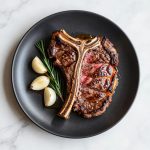
A sirloin tip roast recipe delivers tender, flavorful beef that feeds a crowd without breaking the bank. This lean cut shines when roasted with simple seasonings and a hot oven, creating a golden crust while staying juicy inside.
Whether you are prepping Sunday dinner or hosting a holiday meal, mastering this straightforward technique guarantees impressive results every time.
Why You’ll Love This Recipe
This roast brings restaurant-quality flavor to your kitchen with minimal fuss. It feeds 8 to 10 people, making it perfect for families and gatherings.
- Budget-friendly compared to premium cuts like ribeye or tenderloin
- Ready in under two hours from start to carving
- Develops a beautiful brown crust while staying moist inside
- Leftovers make incredible sandwiches and grain bowls
- Requires just a few basic seasonings and no complicated techniques
My Experience Making This Recipe
I first roasted a sirloin tip roast years ago when feeding a group of friends on a tight budget. The meat emerged from the oven bronzed and smelling absolutely incredible, and everyone asked for seconds.
What surprised me most was how fork-tender it became despite being such a lean cut. The key was hitting the right temperature and letting the meat rest, which I learned the hard way after slicing too early and losing precious juices.
Now I make this roast at least once a month. My family requests it constantly, and I never hesitate to double the batch because those leftovers vanish within days.
Recipe Overview
- Recipe Name: Sirloin Tip Roast
- Servings: 8 to 10
- Prep Time: 15 minutes
- Cook Time: 1 hour 20 minutes
- Total Time: 1 hour 45 minutes
- Course: Main Course
- Cuisine: American
- Calories per Serving: 285
Equipment You Will Need
- Instant-read meat thermometer
- Roasting pan with sides at least 2 inches deep
- Tongs for turning the roast
- Sharp carving knife
- Cutting board
- Small bowl for mixing seasonings
- Paper towels for patting dry
Ingredients for Sirloin Tip Roast
- 4 to 5 pound sirloin tip roast
- 2 tablespoons kosher salt
- 1 tablespoon freshly ground black pepper
- 2 tablespoons garlic powder
- 1 tablespoon onion powder
- 1 tablespoon paprika
- 3 tablespoons olive oil
- 2 cups beef broth
- 1 cup water
- 4 cloves fresh garlic, smashed
- 3 fresh rosemary sprigs
- 2 fresh thyme sprigs
Ingredient Notes and Substitutions
- Sirloin tip roast: This lean, affordable cut comes from the hindquarters and benefits from high-heat roasting. You can substitute a rump roast or bottom round roast if sirloin tip is unavailable, though cooking times may shift slightly.
- Kosher salt: Its larger crystals dissolve evenly and do not over-salt like table salt. Sea salt works equally well, but reduce the amount by about 25 percent to avoid excessive saltiness.
- Garlic powder: Fresh minced garlic tends to burn at high temperatures, while powder distributes evenly and adds flavor without charring. You can skip it and instead add smashed fresh garlic cloves directly to the pan during roasting.
- Olive oil: This helps the seasonings stick and promotes browning. Any neutral oil like avocado or vegetable oil works if you prefer a milder flavor.
- Beef broth: Adds richness to the pan sauce and keeps the roast moist. Chicken broth or even vegetable broth can substitute, though the final flavor will be lighter.
How to Make Sirloin Tip Roast
Step 1: Remove the Roast from the Refrigerator
Pull the sirloin tip roast from the fridge 30 to 45 minutes before roasting. Bringing meat to room temperature ensures even cooking throughout, preventing a cold center and overcooked exterior.
Step 2: Preheat Your Oven
Set your oven to 425 degrees Fahrenheit and allow it to preheat fully. A hot oven is essential for creating that beautiful brown crust through the Maillard reaction, which develops flavor and visual appeal.
Step 3: Pat the Meat Completely Dry
Use paper towels to thoroughly dry the entire surface of the roast. Moisture prevents proper browning, so do not skip this step even though it feels redundant.
Step 4: Mix Your Seasonings
In a small bowl, combine the kosher salt, black pepper, garlic powder, onion powder, and paprika. Mixing seasonings together distributes them evenly across the meat rather than creating salty or peppery spots.
Step 5: Season and Oil the Roast
Rub the olive oil all over the roast, then generously apply the spice mixture to every surface, using your hands to work it in. The oil helps seasonings adhere and protects the meat from drying out.
Step 6: Sear the Roast in the Pan
Place the roasting pan over medium-high heat on your stovetop and let it get hot, about 2 minutes. Sear the roast for 2 minutes on each side until a golden brown crust forms, then carefully sear the top and bottom for another 2 minutes each. This crust locks in juices and adds tremendous depth of flavor.
Step 7: Add Broth and Aromatics
Pour the beef broth and water around the roast, then scatter the smashed garlic cloves, rosemary sprigs, and thyme sprigs into the liquid. The herbs and broth create steam that keeps the lean meat moist while it roasts.
Step 8: Roast Until Perfectly Cooked
Transfer the pan to the preheated oven and roast for 1 hour to 1 hour 20 minutes for medium-rare, depending on the size and shape of your roast. Use an instant-read thermometer inserted into the thickest part without touching bone, aiming for 130 to 135 degrees Fahrenheit for medium-rare.
Step 9: Rest the Roast
Remove the roast from the oven and let it rest for 10 minutes on the cutting board before carving. Resting allows carryover cooking to finish the job and lets muscle fibers relax, ensuring every slice stays juicy instead of bleeding liquid.
Step 10: Carve and Serve
Slice the roast against the grain into quarter-inch thick slices for maximum tenderness. If you slice with the grain, the meat becomes chewy and tough, so take a moment to identify the grain direction before cutting.
Pro Tip: Always slice against the grain to shorten muscle fibers and maximize tenderness, especially with lean cuts like sirloin tip roast.
Tips for the Best Sirloin Tip Roast
- Use a meat thermometer religiously. Guessing at doneness leads to overcooked, dry meat, and a thermometer takes the guesswork out entirely.
- Do not skip the searing step. Those few minutes of high-heat browning create flavors that roasting alone cannot achieve.
- Buy a roast that is relatively uniform in thickness. Oddly shaped roasts cook unevenly, leaving some areas overcooked and others underdone.
- Save the pan drippings and broth after roasting to make a simple gravy. Strain out the herbs and solids, then simmer with a splash of wine for incredible depth.
- Slice against the grain without exception. This single step transforms a decent roast into a tender, melt-in-your-mouth experience.
- Let the roast rest even if you are impatient. Those 10 minutes make the difference between juicy slices and a dry, disappointing meal.
Common Mistakes to Avoid
- Skipping the room-temperature step and roasting straight from the fridge. Cold centers and overcooked edges result from throwing a cold roast into a hot oven.
- Overcooking beyond 140 degrees Fahrenheit. Lean cuts dry out quickly, and sirloin tip roast becomes tough and stringy when pushed past medium.
- Slicing with the grain instead of against it. This creates a chewy texture because you are not cutting through the muscle fibers.
- Using too low an oven temperature. Below 400 degrees, you lose the crust and end up with a gray, flavorless exterior.
- Skipping the resting period and carving immediately. The meat will release all its juices onto the board and onto your plate, leaving the roast dry and sad.
Serving Suggestions
Serve the sliced roast with the pan drippings spooned over each portion. A simple side rounds out the plate without competing with the beef.
- Roasted root vegetables like carrots, potatoes, and parsnips
- Creamy horseradish sauce for a sharp, peppery complement
- Yorkshire pudding for a classic pairing that soaks up the gravy
- Garlic mashed potatoes to balance the rich, savory meat
- Fresh green beans tossed with butter and almonds for brightness
Variations to Try
- Coffee Crusted Roast: Add 1 tablespoon of finely ground espresso powder to the seasoning mix. The coffee deepens the savory flavors and adds unexpected complexity without making the meat taste like coffee.
- Asian-Inspired Roast: Replace some seasonings with soy sauce, ginger powder, and a touch of five-spice powder, then add a splash of rice vinegar to the broth. This shifts the flavor profile toward umami-rich and slightly tangy.
- Herb-Heavy Roast: Use double the fresh rosemary and thyme, and add fresh sage to the pan. More herbs create a more aromatic crust and deeply herbaceous pan sauce.
- Wine-Braised Version: Substitute 1 cup of the beef broth with a full-bodied red wine like Cabernet Sauvignon. The wine tenderizes the meat and adds rich, complex flavors to the sauce.
- Mediterranean Roast: Season with oregano and basil instead of garlic powder and onion powder, then add kalamata olives and sun-dried tomatoes to the braising liquid. This creates brighter, more vibrant flavors.
Dietary Adaptations
- Gluten-Free: This recipe is naturally gluten-free as written. Simply verify that any beef broth you use is certified gluten-free, as some brands add thickeners that contain gluten.
- Dairy-Free: The recipe contains no dairy, so it is already dairy-free. Serve with dairy-free sides like roasted vegetables or salad dressed with oil and vinegar.
- Vegan/Vegetarian: Substitute a large portobello mushroom cap or cauliflower steak for the roast, and use vegetable broth instead of beef broth. The roasting technique and seasonings remain the same, though cooking time drops to 20 to 25 minutes.
- Low-Carb/Keto: This recipe fits perfectly into low-carb and keto diets as beef and seasonings contain virtually no carbs. Skip any side dishes with potatoes or grains and opt for roasted low-carb vegetables instead.
Storage and Reheating
Refrigerator
Slice or cube the leftover roast and store it in an airtight container with the pan drippings. Leftovers keep for 3 to 4 days in the refrigerator.
- Store the roast in its own juices to prevent drying out
- Keep pan drippings separate if making gravy for later
- Let cold roast sit at room temperature for 15 minutes before reheating
Freezer
Wrap individual portions tightly in plastic wrap, then place them in a freezer bag with the date marked clearly. The roast freezes well for up to 3 months.
- Portion before freezing for easier reheating of single servings
- Include some pan drippings in the freezer bag to preserve moisture
- Thaw in the refrigerator overnight before reheating
Reheating
Reheat sliced roast gently in a 300-degree oven, covered with foil and a splash of broth, for 10 to 15 minutes. High heat will toughen the meat, so low and slow is the only way forward.
- Microwave for 1 to 2 minutes per portion if you are in a hurry, though this risks drying out the meat
- Warm leftover roast in a skillet over low heat with a bit of broth for better results than microwaving
- Use reheated roast for sandwiches, salads, or grain bowls within 1 day for best texture
Nutrition Information
| Nutrient | Amount |
|---|---|
| Calories | 285 |
| Total Fat | 12 g |
| Saturated Fat | 4.5 g |
| Carbohydrates | 2 g |
| Fiber | 0 g |
| Sugar | 0 g |
| Protein | 38 g |
| Sodium | 520 mg |
| Cholesterol | 92 mg |
Nutritional values are approximate and calculated based on standard USDA data for sirloin tip roast with the oil and seasonings used. Actual nutrition may vary based on specific cuts and cooking method.
Frequently Asked Questions
Can I make this roast in a slow cooker?
Yes, though the crust will be less impressive. Sear the roast in a hot skillet first to build flavor, then transfer to the slow cooker with broth and cook on low for 6 to 8 hours. The result will be tender but will lack the golden exterior of a roasted version.
What if my roast is larger than 5 pounds?
A 6 to 7 pound roast will need an additional 20 to 30 minutes in the oven. Use your meat thermometer as the guide rather than time, aiming for an internal temperature of 130 to 135 degrees for medium-rare.
Can I prepare this the night before?
You can season the roast the night before and wrap it tightly. Remove it from the fridge 45 minutes before roasting to bring it to room temperature, then proceed with searing and roasting as normal.
Why is my roast tough even though it hit the right temperature?
This usually means the roast was sliced with the grain instead of against it, or it was overcooked beyond 140 degrees. Lean cuts like sirloin tip demand precision, so always use a thermometer and slice at a sharp angle against the grain.
What is the difference between sirloin tip and sirloin steak?
Sirloin tip comes from the hindquarters and works best as a roast, while sirloin steak comes from higher up on the loin and is better for grilling. The tip requires gentle, moist cooking to shine, whereas steaks benefit from quick, high-heat cooking.
Can I use a convection oven?
Convection ovens circulate heat faster, so reduce the temperature to 400 degrees and watch the roast carefully. Convection cooking typically finishes 10 to 15 minutes earlier, so start checking the internal temperature at the 50-minute mark.
Final Thoughts
A perfectly roasted sirloin tip roast proves that simple ingredients and solid technique beat complicated recipes every single time. This cut delivers incredible flavor at a fraction of the cost of premium beef, making it a weeknight hero and a showstopper for company.
Get this roast in the oven this week and taste for yourself why it has earned a permanent spot in my regular rotation. Your family and guests will absolutely love it, and the leftovers will disappear faster than you can say “make another one.”
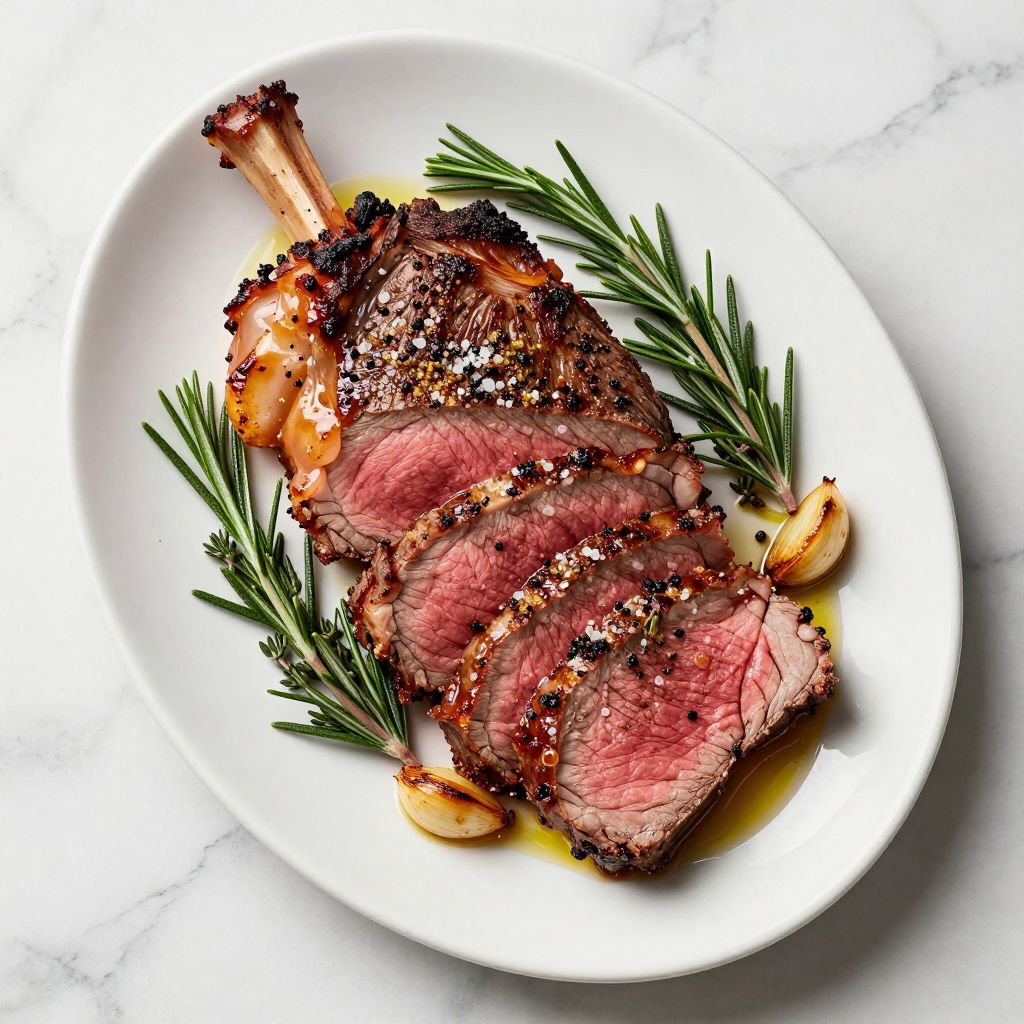
Sirloin Tip Roast
Ingredients
Equipment
Method
- Remove the roast from the refrigerator 30–45 minutes before cooking to take the chill off.
- Preheat oven to 425°F (220°C).
- Pat the roast completely dry with paper towels.
- In a small bowl, mix kosher salt, black pepper, garlic powder, onion powder, and paprika.
- Rub olive oil over the roast, then coat every surface with the seasoning mixture.
- Place the roasting pan over medium-high heat for 2 minutes; sear the roast for 2 minutes per side and 2 minutes on each end until browned.
- Pour beef broth and water around the roast; add smashed garlic, rosemary, and thyme to the liquid.
- Transfer pan to the oven and roast for 1 hour to 1 hour 20 minutes, until an instant-read thermometer in the thickest part registers 130–135°F for medium-rare.
- Remove roast from oven, tent loosely with foil, and let rest for 10 minutes.
- Slice the roast against the grain into 1/4-inch slices and serve with the pan juices.