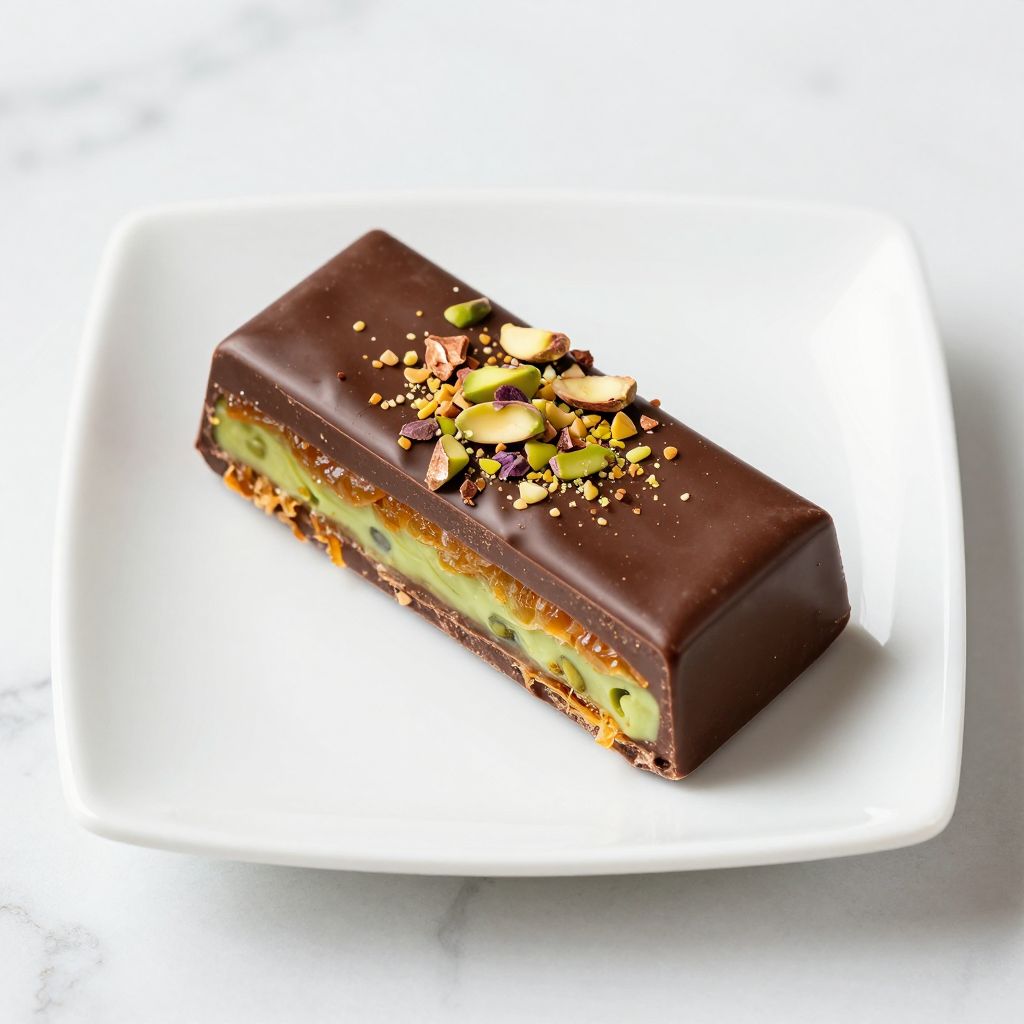
Dubai chocolate brings together crunchy knafeh pastry, smooth pistachio cream, and rich dark chocolate into one unforgettable treat. This viral sensation took social media by storm, and now you can make it at home for a fraction of the price.
The combination of textures and flavors creates something truly special. Let me walk you through every step so you can nail this recipe on your first try.
Why You’ll Love This Recipe
This homemade Dubai chocolate bar delivers all the magic of the original at a fraction of the cost. Plus, you control the quality of every ingredient.
- The contrast between crunchy knafeh and silky chocolate creates an addictive texture
- Pistachio cream adds a nutty richness that balances the sweetness perfectly
- Impressive enough to gift but easy enough for a weeknight project
- Customizable to your taste preferences and dietary needs
- No special equipment required beyond basic kitchen tools
My Experience Making This Recipe
The first time I made Dubai chocolate, I was skeptical that something so hyped could live up to expectations. That first bite proved me completely wrong.
The knafeh shattered against my teeth while the pistachio cream melted across my tongue. My family devoured an entire batch in one evening, which I suppose counts as quality control.
After making this recipe dozens of times, I have figured out every trick to get that perfect crunch and creamy filling. The smell of toasted knafeh in butter still makes my kitchen feel like a Middle Eastern pastry shop.
Recipe Overview
- Recipe Name: Dubai Chocolate Bar
- Servings: 8 bars
- Prep Time: 30 minutes
- Cook Time: 15 minutes
- Total Time: 2 hours 45 minutes (including chilling)
- Course: Dessert
- Cuisine: Middle Eastern Fusion
- Calories per Serving: 485 calories
Equipment You Will Need
- Large non stick skillet or frying pan
- Silicone chocolate bar molds or a 9×13 baking pan
- Double boiler or microwave safe bowl
- Food processor or high powered blender
- Rubber spatula
- Measuring cups and spoons
- Parchment paper
- Offset spatula for spreading
Ingredients for Dubai Chocolate
For the Pistachio Cream
- 2 cups raw unsalted pistachios, shelled
- 3 tablespoons neutral oil (grapeseed or avocado)
- 1/4 cup powdered sugar
- 1/4 teaspoon salt
- 1/2 teaspoon vanilla extract
For the Crispy Knafeh
- 4 ounces knafeh dough (shredded phyllo or kataifi)
- 4 tablespoons unsalted butter
- 2 tablespoons granulated sugar
- 1/4 teaspoon salt
For the Chocolate Shell
- 12 ounces high quality dark chocolate (60 to 70 percent cacao)
- 1 tablespoon coconut oil
Ingredient Notes and Substitutions
- Pistachios: Raw and unsalted give you control over the final flavor. Roasted pistachios work but may taste slightly bitter when processed.
- Knafeh dough: This shredded phyllo creates the signature crunch. Shredded wheat cereal works as an emergency substitute but lacks authenticity.
- Dark chocolate: Higher cacao percentage balances the sweet filling beautifully. Milk chocolate makes a sweeter bar that kids often prefer.
- Neutral oil: Helps the pistachio cream reach proper consistency. Any unflavored oil works, though avoid olive oil which adds unwanted taste.
- Coconut oil: Creates a satisfying snap in the chocolate shell. Cocoa butter works identically if you have it on hand.
How to Make Dubai Chocolate
Step 1: Prepare Your Pistachio Cream
Add the pistachios to your food processor and blend on high for 2 to 3 minutes. Scrape down the sides every 30 seconds to ensure even processing.
The pistachios will transform from crumbly to a thick paste. This happens because the natural oils release as you break down the cell walls.
Step 2: Finish the Pistachio Cream
Drizzle in the neutral oil while the processor runs, then add powdered sugar, salt, and vanilla. Process for another 2 minutes until completely smooth and spreadable.
You want a consistency similar to peanut butter. If it seems too thick, add another tablespoon of oil.
Step 3: Toast the Knafeh Dough
Use your hands to break apart the knafeh strands into small pieces about half an inch long. Smaller pieces distribute better in the final bar.
Melt the butter in your skillet over medium low heat. Tossing the knafeh into hot butter would burn it before it crisps properly.
Step 4: Crisp the Knafeh Perfectly
Add the knafeh pieces to the melted butter and stir constantly for 8 to 10 minutes. Sprinkle in the sugar and salt halfway through.
The strands should turn deep golden brown and smell nutty. Patience here determines whether you get shatteringly crisp pieces or sad soggy ones.
Step 5: Cool the Crispy Knafeh
Spread the toasted knafeh on parchment paper in a single layer. The pieces will crisp further as they cool and the sugar hardens.
Resist the urge to skip this step. Hot knafeh mixed with chocolate creates a melty mess instead of distinct crunchy layers.
Step 6: Temper Your Chocolate
Chop the chocolate finely and place two thirds of it in your double boiler. Melt slowly over barely simmering water, stirring frequently.
Remove from heat when the chocolate reaches 115 degrees Fahrenheit and stir in the remaining chocolate and coconut oil. This tempering method gives you a glossy, snappy shell.
Step 7: Create the Chocolate Base
Pour about one third of your melted chocolate into the molds, using roughly 2 tablespoons per cavity. Tilt and tap the molds to spread the chocolate evenly across the bottom and up the sides.
Refrigerate for 10 minutes until the chocolate sets but remains slightly tacky. This tackiness helps the filling adhere properly.
Step 8: Add the Pistachio Layer
Spread a generous tablespoon of pistachio cream over the chocolate base in each mold. Use the back of a spoon to create an even layer that reaches almost to the edges.
Leave a small border of chocolate visible. This border lets the top chocolate layer seal to the bottom for clean edges.
Step 9: Layer the Crispy Knafeh
Press a heaping tablespoon of cooled knafeh into the pistachio cream. Push gently so the strands embed slightly without crushing them.
The knafeh should form a fairly flat layer. Any pieces sticking up too high will poke through your chocolate top.
Step 10: Seal with Chocolate
Reheat your remaining chocolate gently if it has thickened. Pour over the knafeh layer and spread to cover completely, sealing the edges.
Tap the molds on the counter a few times to release air bubbles. Trapped air creates holes in your finished bars.
Step 11: Chill Until Set
Refrigerate the filled molds for at least 2 hours or until the chocolate is completely firm. Overnight chilling produces the cleanest unmolding.
The cold firms the pistachio cream and chocolate simultaneously. Rushing this step leads to cracked shells and disappointed faces.
Step 12: Unmold and Serve
Flex the silicone molds gently to pop out each bar. If using a pan, lift out the whole slab and cut into bars with a sharp knife dipped in hot water.
Let the bars sit at room temperature for 5 minutes before serving. This slight warming makes the pistachio cream more luscious.
Pro Tip: Toast your knafeh low and slow rather than cranking up the heat. High heat burns the outside while leaving the inside chewy, destroying that signature crunch that makes this treat special.
Tips for the Best Dubai Chocolate
- Process your pistachios long enough to release their oils; stopping too early results in grainy cream
- Keep your knafeh pieces uniform in size for even toasting and consistent texture throughout
- Use a thermometer when melting chocolate to avoid overheating which causes blooming
- Work quickly once chocolate is tempered since it sets faster than you expect
- Store finished bars in the refrigerator but serve at room temperature for best texture
- Weigh your chocolate rather than measuring by volume for consistent results every time
Common Mistakes to Avoid
- Burning the knafeh by using high heat destroys the delicate strands and adds bitterness
- Under processing pistachios leaves a gritty texture that ruins the creamy contrast
- Adding hot knafeh to chocolate causes the shell to melt and look messy
- Skipping the tempering step results in chocolate that melts in your hands and lacks snap
- Overfilling the molds makes sealing impossible and creates leaky, ugly bars
Serving Suggestions
Dubai chocolate bars shine as a standalone treat, but thoughtful pairings elevate them further. Consider these options for serving.
- Strong Arabic coffee or Turkish coffee cuts through the sweetness beautifully
- Vanilla ice cream creates an indulgent dessert plate
- Fresh berries add brightness and acidity
- Mint tea offers a refreshing palate cleanser between bites
- Champagne or dessert wine for special celebrations
Variations to Try
- Tahini Swirl: Drizzle tahini into the pistachio cream before adding knafeh for a sesame undertone
- Rose Water: Add half a teaspoon to the pistachio cream for a floral Middle Eastern touch
- Milk Chocolate Version: Swap dark for milk chocolate to create a sweeter, more kid friendly bar
- Hazelnut Cream: Replace pistachios with hazelnuts for a Nutella inspired twist
- White Chocolate Shell: Use white chocolate for a stunning visual contrast with the green filling
Dietary Adaptations
- Gluten Free: Most knafeh contains wheat, so substitute crushed gluten free pretzels for similar crunch with no gluten concerns
- Dairy Free: Use dairy free dark chocolate and substitute coconut oil for butter when toasting knafeh
- Vegan: Combine the dairy free swaps above; most dark chocolate above 70 percent cacao is naturally vegan
- Low Carb: Use sugar free chocolate and reduce the sugar in the knafeh; total carbs drop significantly but texture changes slightly
Storage and Reheating
Refrigerator
Properly stored Dubai chocolate bars keep beautifully for up to two weeks in the refrigerator.
- Place bars in an airtight container
- Separate layers with parchment paper
- Keep away from strong smelling foods
Freezer
Freeze these bars for up to three months without significant quality loss.
- Wrap individual bars tightly in plastic wrap
- Place wrapped bars in a freezer bag
- Thaw overnight in the refrigerator before serving
Reheating
These bars taste best cold or at room temperature, so reheating is unnecessary.
- Remove from refrigerator 10 minutes before serving
- Never microwave as chocolate will melt unevenly
- Avoid leaving at room temperature for more than 2 hours
Nutrition Information
| Nutrient | Amount |
|---|---|
| Calories | 485 |
| Total Fat | 34g |
| Saturated Fat | 14g |
| Carbohydrates | 38g |
| Fiber | 5g |
| Sugar | 26g |
| Protein | 9g |
| Sodium | 125mg |
| Cholesterol | 15mg |
Nutritional values are estimates based on standard ingredients and may vary depending on specific products used and portion sizes.
Frequently Asked Questions
Can I use store bought pistachio butter instead of making my own?
Absolutely, store bought pistachio butter works perfectly and saves time. Check the ingredients for added sugars and adjust your recipe sweetness accordingly.
Where can I find knafeh dough?
Middle Eastern grocery stores stock knafeh dough in the freezer section. Many regular supermarkets now carry it near the phyllo dough.
Can I make these bars ahead for a party?
Yes, these bars actually improve after a day in the refrigerator as flavors meld together. Make them up to a week ahead and store properly.
Why did my chocolate turn white and streaky?
This white coating called bloom happens when chocolate is heated too high or cooled too slowly. The bars are still safe to eat but look less appealing.
My knafeh turned soggy after a day. What went wrong?
Moisture from the pistachio cream likely migrated into the knafeh layer. Next time, ensure your knafeh is completely cooled and crisp before assembling, and add a thin chocolate barrier between layers.
Final Thoughts
Making Dubai chocolate at home might seem intimidating, but breaking it into simple steps makes it completely achievable. The combination of crunchy knafeh, creamy pistachios, and snappy chocolate creates a dessert that genuinely lives up to the hype.
Your friends and family will think you spent hours in a professional kitchen when you present these gorgeous bars. Give this recipe a try this weekend and taste why the internet went absolutely wild for this Middle Eastern inspired treat.
Dubai Chocolate Bar
Ingredients
Equipment
Method
- Add the pistachios to your food processor and blend on high for 2 to 3 minutes. Scrape down the sides every 30 seconds to ensure even processing.
- Drizzle in the neutral oil while the processor runs, then add powdered sugar, salt, and vanilla. Process for another 2 minutes until completely smooth and spreadable.
- Use your hands to break apart the knafeh strands into small pieces about half an inch long.
- Melt the butter in your skillet over medium low heat.
- Add the knafeh pieces to the melted butter and stir constantly for 8 to 10 minutes. Sprinkle in the sugar and salt halfway through. The strands should turn deep golden brown.
- Spread the toasted knafeh on parchment paper in a single layer and let cool completely.
- Chop the chocolate finely and place two thirds of it in your double boiler. Melt slowly over barely simmering water, stirring frequently until it reaches 115 degrees Fahrenheit.
- Remove from heat and stir in the remaining chocolate and coconut oil until smooth.
- Pour about one third of your melted chocolate into the molds, using roughly 2 tablespoons per cavity. Tilt and tap the molds to spread evenly. Refrigerate for 10 minutes until set but slightly tacky.
- Spread a generous tablespoon of pistachio cream over the chocolate base in each mold, leaving a small border.
- Press a heaping tablespoon of cooled knafeh into the pistachio cream.
- Reheat remaining chocolate gently if needed, then pour over the knafeh layer and spread to cover completely, sealing the edges. Tap molds to release air bubbles.
- Refrigerate the filled molds for at least 2 hours or until the chocolate is completely firm.
- Flex the silicone molds gently to pop out each bar. Let bars sit at room temperature for 5 minutes before serving.